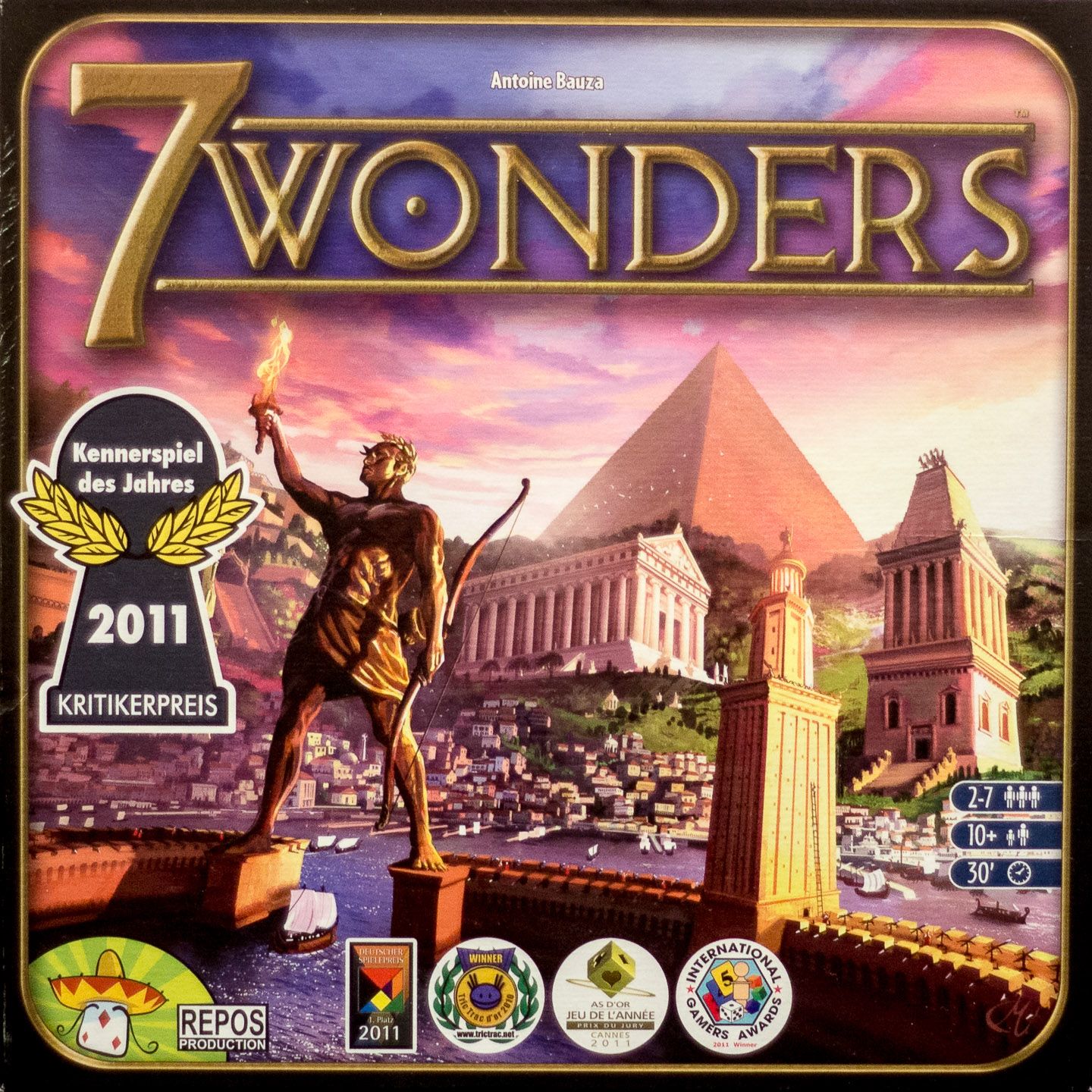
How to Play 7 Wonders
Repos Production, ADC Blackfire Entertainment, Asterion Press · Board game · 2010What do you want to do now
Ask anything about 7 Wonders: rules, setup, components, complexity, price, or whether it fits your group.
Video: How to Play
Start here, then follow the written guide
Step by step
Objective of the Game
Welcome to 7 Wonders, a game where you'll lead one of the seven great cities of the ancient world! Your goal is to develop your civilization, build your Wonder, and accumulate the most Victory Points (VPs) by the end of three Ages. Will your city stand the test of time and be remembered as the greatest?
Preparation (Setup)
Let's get your ancient world ready for action!
- Sort the Cards: First, separate the Age I, Age II, and Age III decks. Each card has its Age indicated at the bottom center. Return any cards not used for your player count to the box.
- Prepare Guilds: From the Age III deck, remove the 10 Guilds (purple cards). Randomly and secretly keep only (number of players + 2) Guild cards, then shuffle them back into the Age III deck.
- Shuffle Age Decks: Shuffle each Age deck separately. Each deck should now contain 7 cards per player.
- Deal Wonder Boards: Shuffle the 7 Wonder cards facedown and deal one to each player. This card determines your Wonder board and which side you'll use. Alternatively, if everyone agrees, you can choose your boards. Your Wonder board shows the resource it produces from the start of the game in the upper left.
- Starting Coins: Each player receives 3 coins of value '1' to place on their board. The remaining coins form the bank.
The Game Turn
A game of 7 Wonders unfolds over three Ages (I, II, and III). Each Age consists of 6 game turns, and players perform actions simultaneously. Here's how a turn plays out:
Beginning of an Age
At the start of each Age, each player is randomly dealt a hand of 7 cards from the appropriate Age deck.
During Each Turn (6 turns per Age)
- Choose a Card: Each player secretly selects one card from their hand and places it facedown in front of them.
- Pass Cards: Your remaining cards are placed facedown between you and the next player. The direction of passing depends on the Age:
- Age I: Cards are passed to the left (clockwise).
- Age II: Cards are passed to the right.
- Age III: Cards are passed to the left.
- Perform an Action: All players simultaneously reveal their chosen card and perform one of three possible actions:
- Build a Structure:
- Pay the construction cost shown in the upper left of the card (if any). If the area is empty, it's free!
- To pay for resources, you must produce them from your Wonder board, brown cards (Raw Materials), gray cards (Manufactured Goods), or some yellow cards (Commercial Structures). Resources are not spent; they are available every turn.
- You can also buy missing resources from your two neighboring cities (players directly to your left or right). Each resource bought costs 2 coins, paid to the owner. You can buy from both neighbors in the same turn, but these bought resources can only be used on the turn they are bought. Neighbors cannot refuse to sell.
- Some structures can be built for free if you've already built a specific prerequisite structure in a previous Age (indicated on the card).
- Place brown and gray cards beneath one another, starting from the upper left of your Wonder board. Other cards (blue, green, red, yellow, purple) are placed faceup in front of your Wonder board, stacked by color, with names visible.
- You can never build two identical structures.
- Build a Stage of Your Wonder:
- Choose any card from your hand to use as a construction marker.
- Pay the cost shown on your Wonder board for the next stage (not the cost on the card you're using).
- Place the chosen card facedown, half-hidden under your Wonder board, to show the stage is built. This card has no other effect and is not considered a structure.
- Wonder stages must be built in order, from left to right. Building your Wonder is optional, and each stage can only be built once per game.
- Discard to Gain 3 Coins:
- Discard the chosen card facedown to a central discard pile.
- Take 3 coins from the bank and add them to your treasury.
- If you cannot build a structure or a Wonder stage, you *must* discard a card for 3 coins.
- Build a Structure:
- Move to the Next Hand: Each player takes the hand of cards passed to them from their neighbor.
End of an Age
At the beginning of the sixth and final turn of each Age, players receive a 2-card hand. They choose one card to play normally, and the second is discarded facedown (without gaining 3 coins). After this, the Age ends, and Military Conflicts are resolved.
Military Conflicts
Compare the total number of shields on your military structures (red cards) and any appropriate Wonder cards with each of your two neighboring cities:
- Higher Total: If you have more shields than a neighbor, take a victory token for the current Age (+1 VP for Age I, +3 VPs for Age II, +5 VPs for Age III).
- Lower Total: If you have fewer shields than a neighbor, take a defeat token (-1 VP).
- Equal Total: No token is taken.
Each player can receive 0, 1, or 2 tokens, which are placed on their Wonder board.
End of Game and Scoring
The game concludes at the end of Age III, after the military conflict tokens have been distributed. The player with the highest total Victory Points wins!
In case of a tie, the player with the most coins in their treasury wins. A tie on coins is not broken further.
Counting Victory Points (in order):
- Military Conflicts: Sum the VPs from your victory and defeat tokens (this total can be negative!).
- Treasury Contents: For every 3 coins you possess at the end of the game, score 1 VP. Leftover coins don't score.
- Wonders: Add the VPs indicated on your built Wonder stages.
- Civilian Structures (Blue Cards): Add the VPs shown on each of your blue cards.
- Scientific Structures (Green Cards): These cards score VPs in two ways, and the points are cumulative:
- Sets of Identical Symbols: For each of the three scientific symbols (Tablet, Gear, Compass), you score points equal to the number of identical symbols squared. (e.g., 3 Tablets = 3x3 = 9 VPs).
- Sets of 3 Different Symbols: For each group of one of each of the three different scientific symbols, you score 7 VPs.
- Commercial Structures (Yellow Cards): Some yellow cards from Age III grant VPs directly.
- Guilds (Purple Cards): Each Guild scores VPs based on specific criteria related to your city and/or your neighboring cities. For example:
- Spies Guild: 1 VP for each red card in both neighboring cities.
- Builders Guild: 1 VP for each Wonder stage built in your city and your neighboring cities.
- Shipowners Guild: 1 VP for each brown, gray, and purple card in your city.
Tips for Winning
To truly master 7 Wonders, keep these strategies in mind:
- Resource Management is Key: Always ensure you have the resources you need, either by producing them yourself (brown and gray cards, Wonder board) or by having enough coins to buy them from your neighbors. Planning your resource production early can save you a lot of money later!
- Watch Your Neighbors: Pay close attention to what your neighbors are building and what resources they produce. This helps you decide what to build, what to deny them, and where you might need to buy resources. Also, consider their military strength to avoid defeat tokens!
- Embrace Free Construction (Chains): Many cards in Age II and III can be built for free if you have a specific prerequisite structure from a previous Age. Leveraging these "chains" can save you valuable resources and coins, allowing you to build powerful structures without cost.
More videos
More rules explanations from the community
In English
-
 7 Wonders - How to play and win
-
 Learn how to play 7 Wonders better and faster
-
 How to Play 7 Wonders | Roll For Crit
-
 How To Play - 7 Wonders
-
 7 Wonders - How to Play
-
 How to Play 7 Wonders in under 10 minutes
-
 Show Me How to Win 7 BLUNDERS
-
 Unboxing - Lucky Roll Reviews
-
 7 Wonders Game Tutorial (with Leaders Cities & Armada, 11 mins)
-
 7 Wonders Interactive Tutorial preview
-
 7 Wonders Quick Overview
Rules manual
Official PDF file
Frequently Asked Questions
Quick answers about the rules
What is the objective of 7 Wonders?
How do you set up 7 Wonders?
How does 7 Wonders end, and how do you score?
What are some tips for winning 7 Wonders?
Expansions
Published additional content
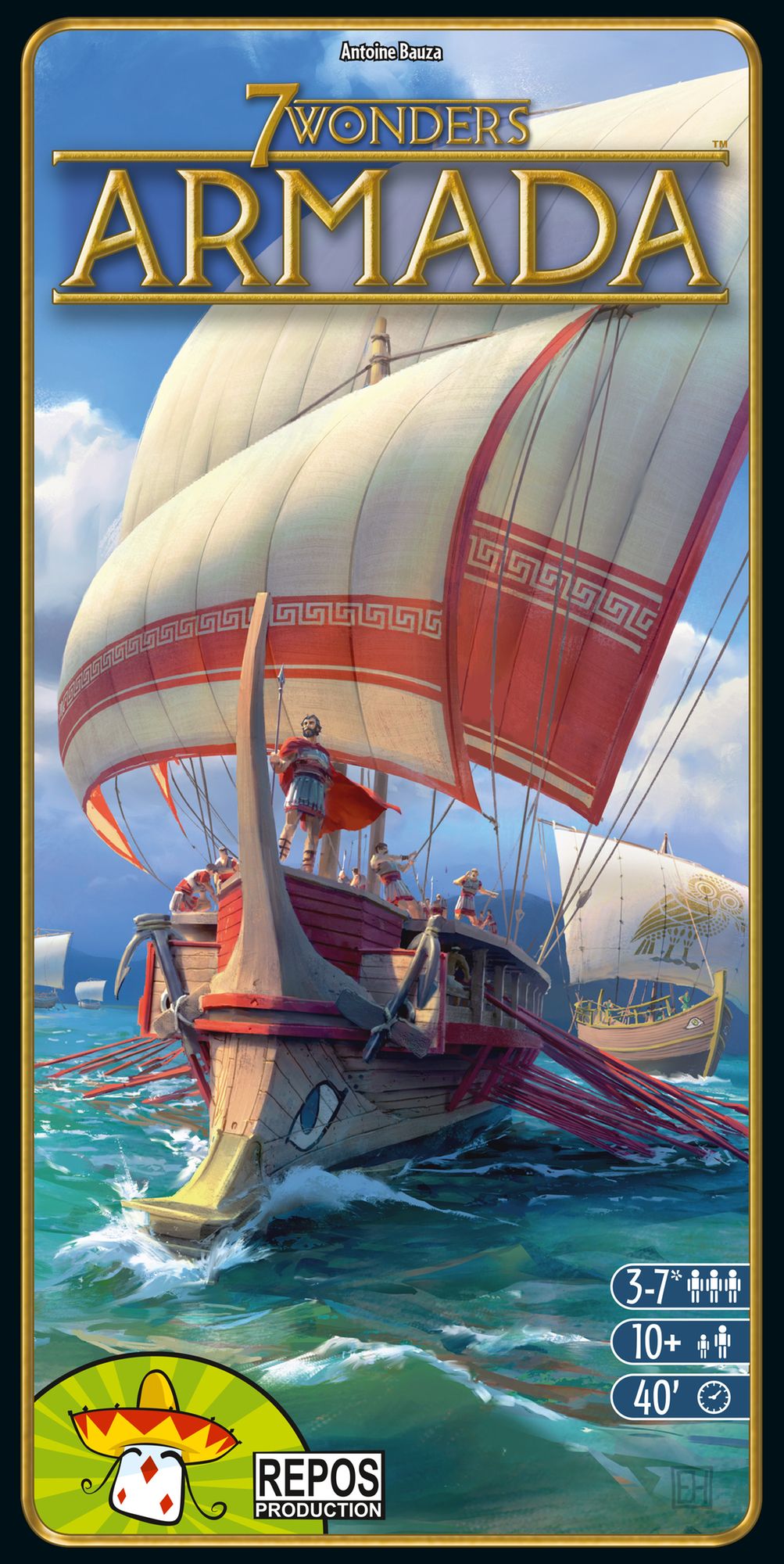 7 Wonders: Armada
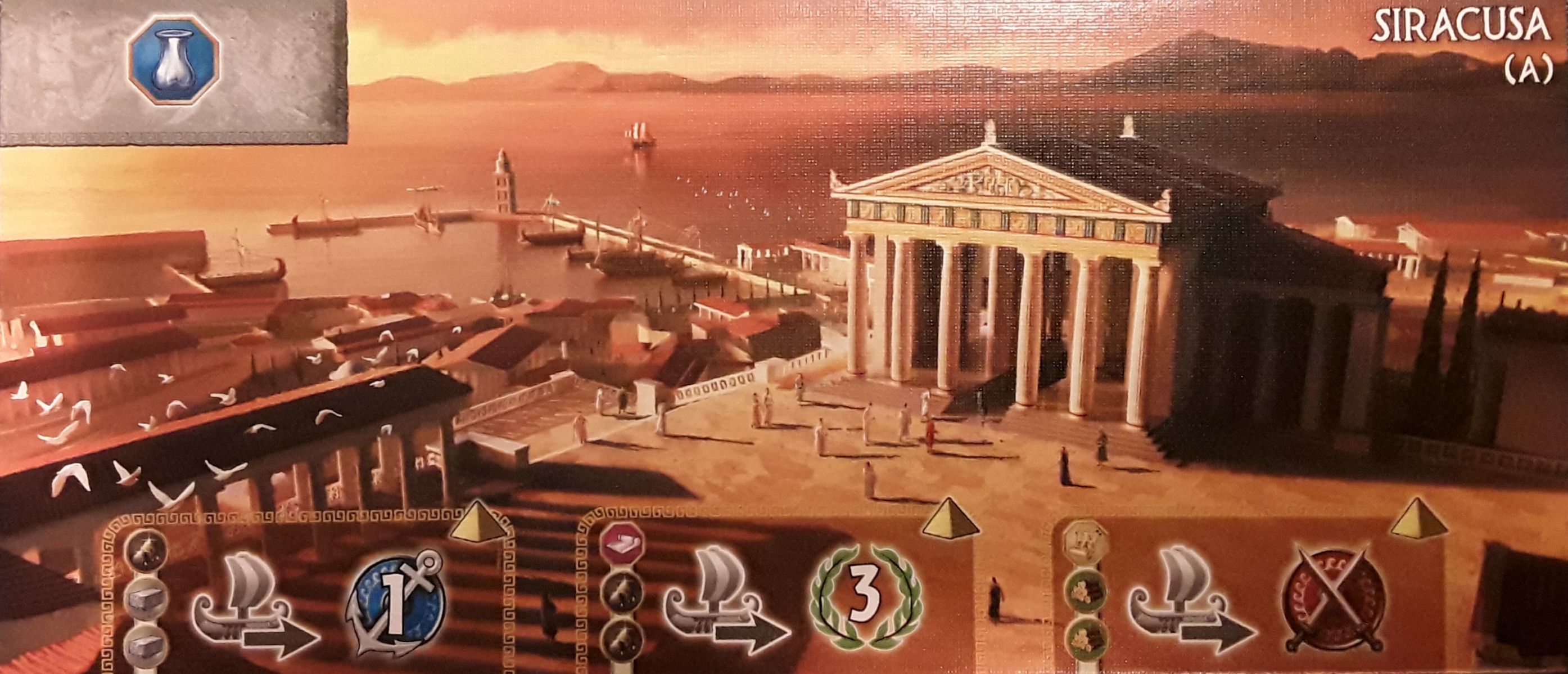 7 Wonders: Armada – Siracusa
 7 Wonders: Babel
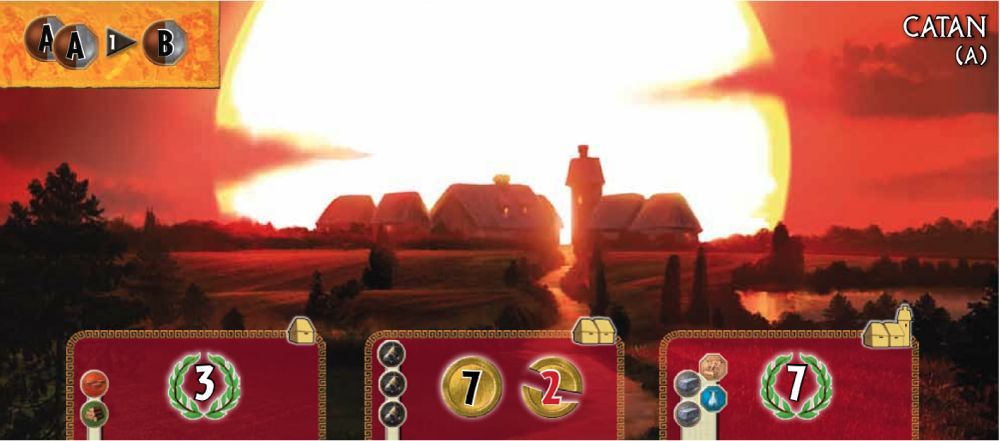 7 Wonders: Catan
 7 Wonders: Cities
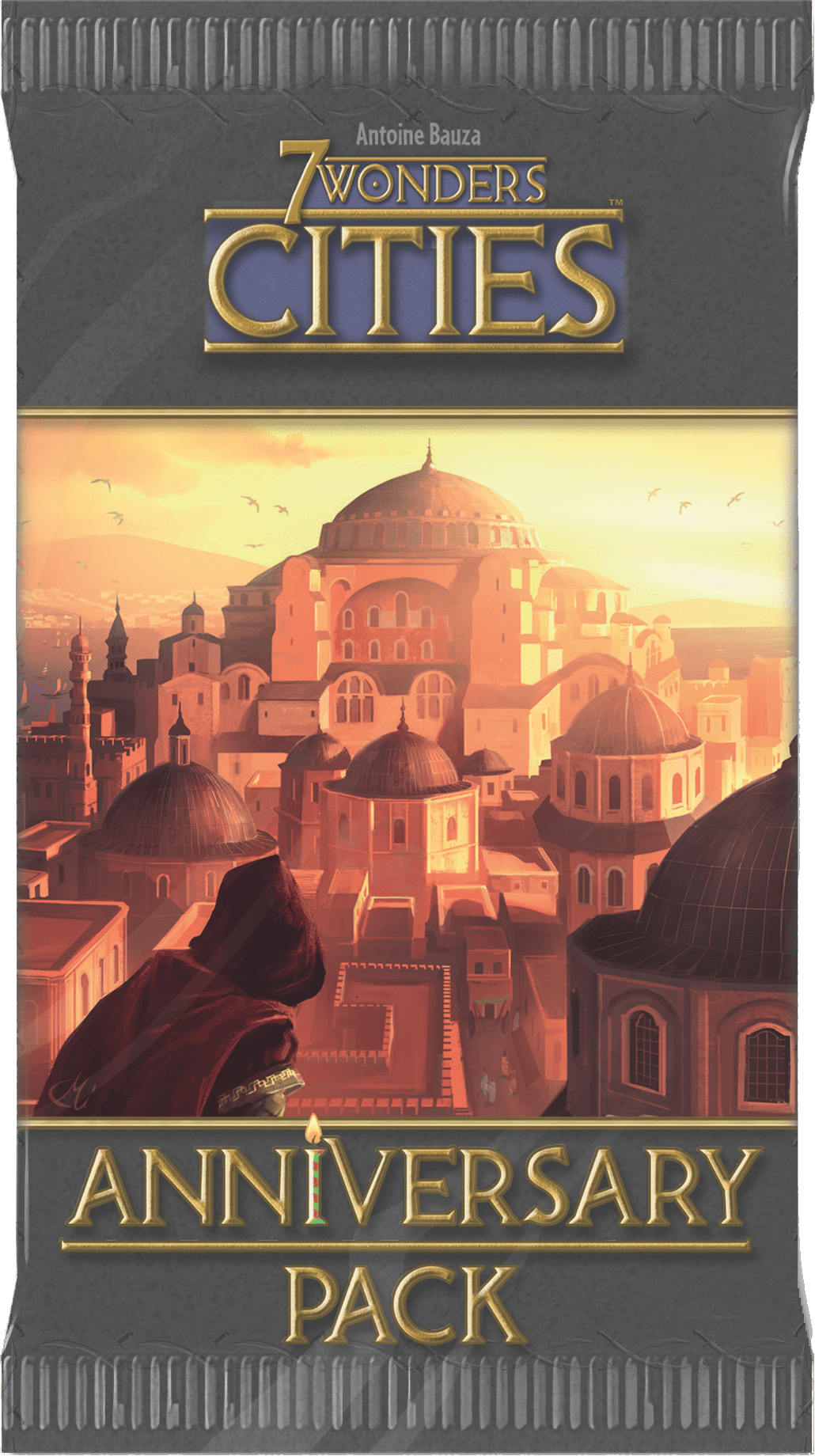 7 Wonders: Cities Anniversary Pack
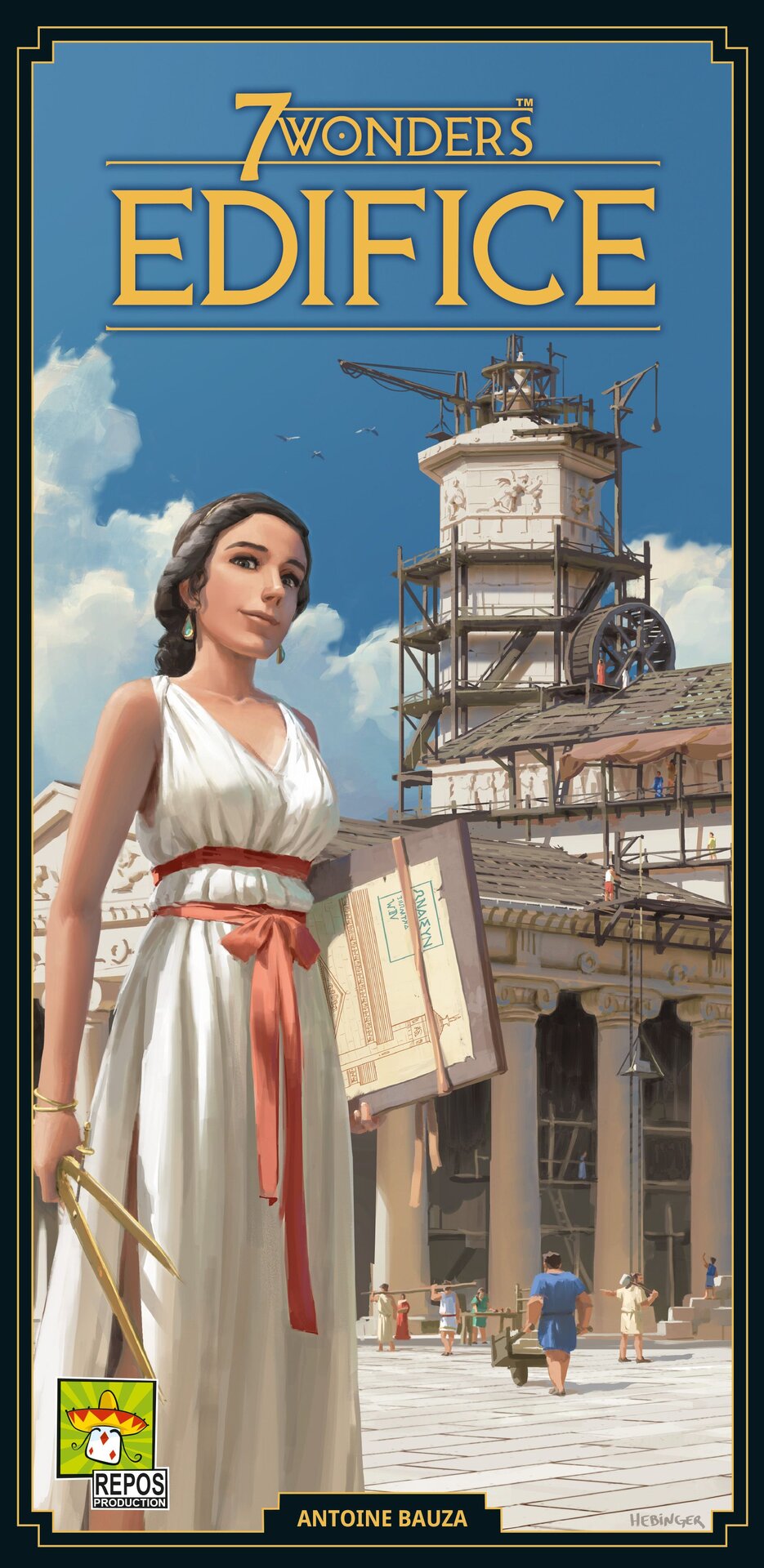 7 Wonders: Edifice
 7 Wonders: Leaders
 7 Wonders: Leaders – Esteban
 7 Wonders: Leaders – Louis
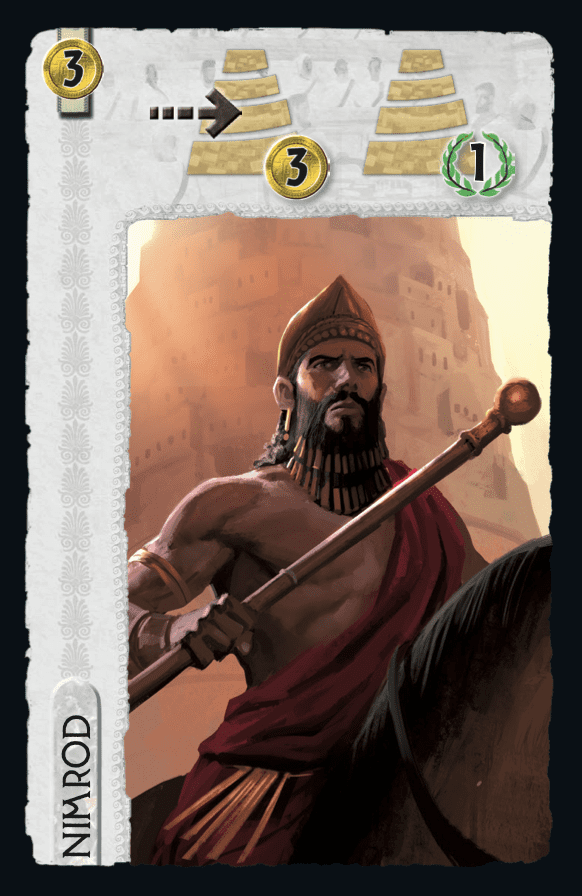 7 Wonders: Leaders – Nimrod
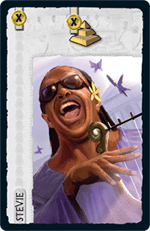 7 Wonders: Leaders – Stevie
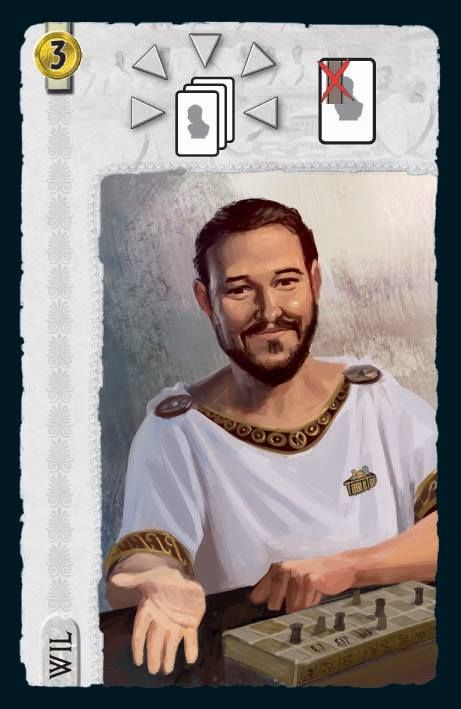 7 Wonders: Leaders – Wil Promo Card
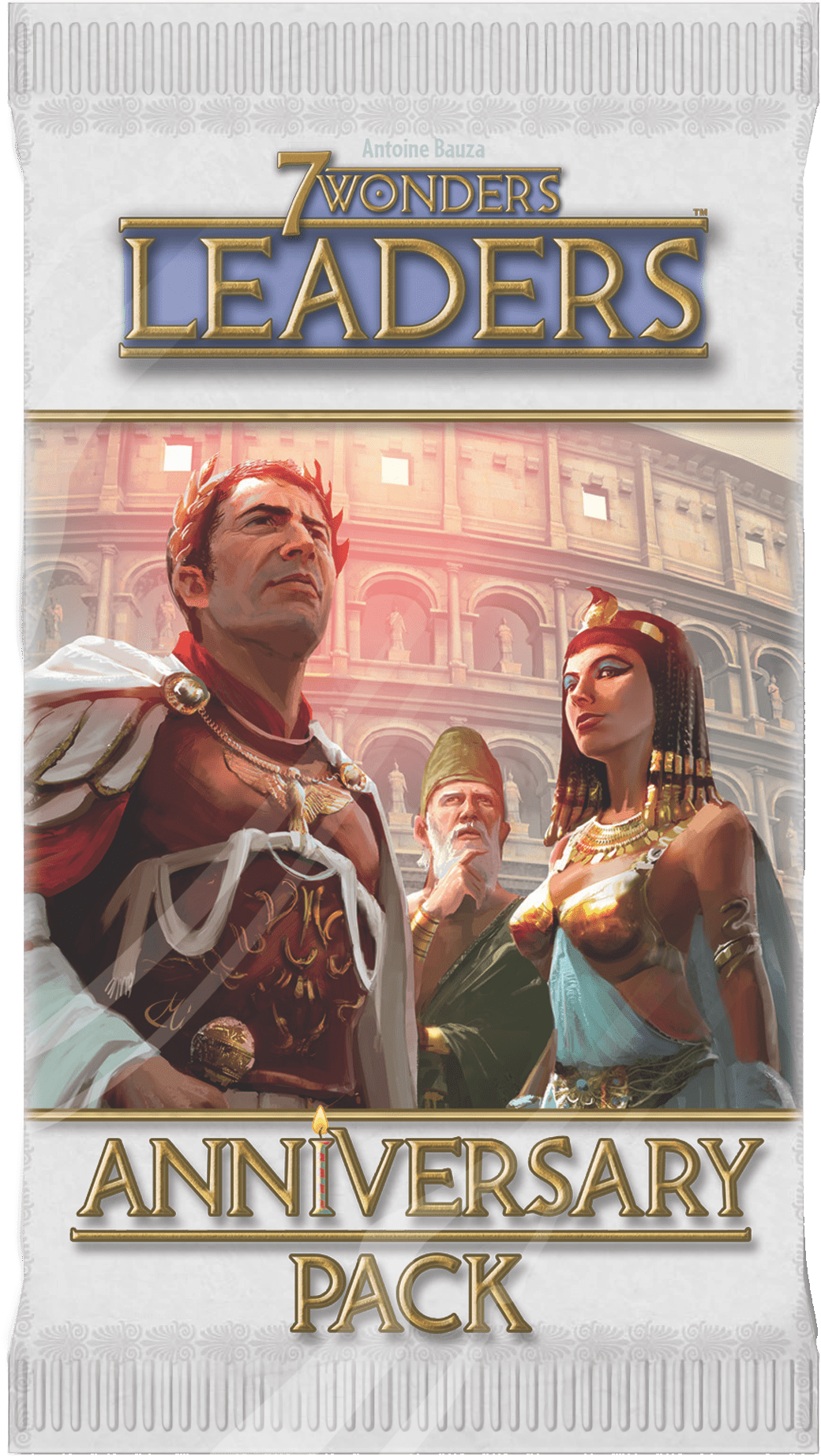 7 Wonders: Leaders Anniversary Pack
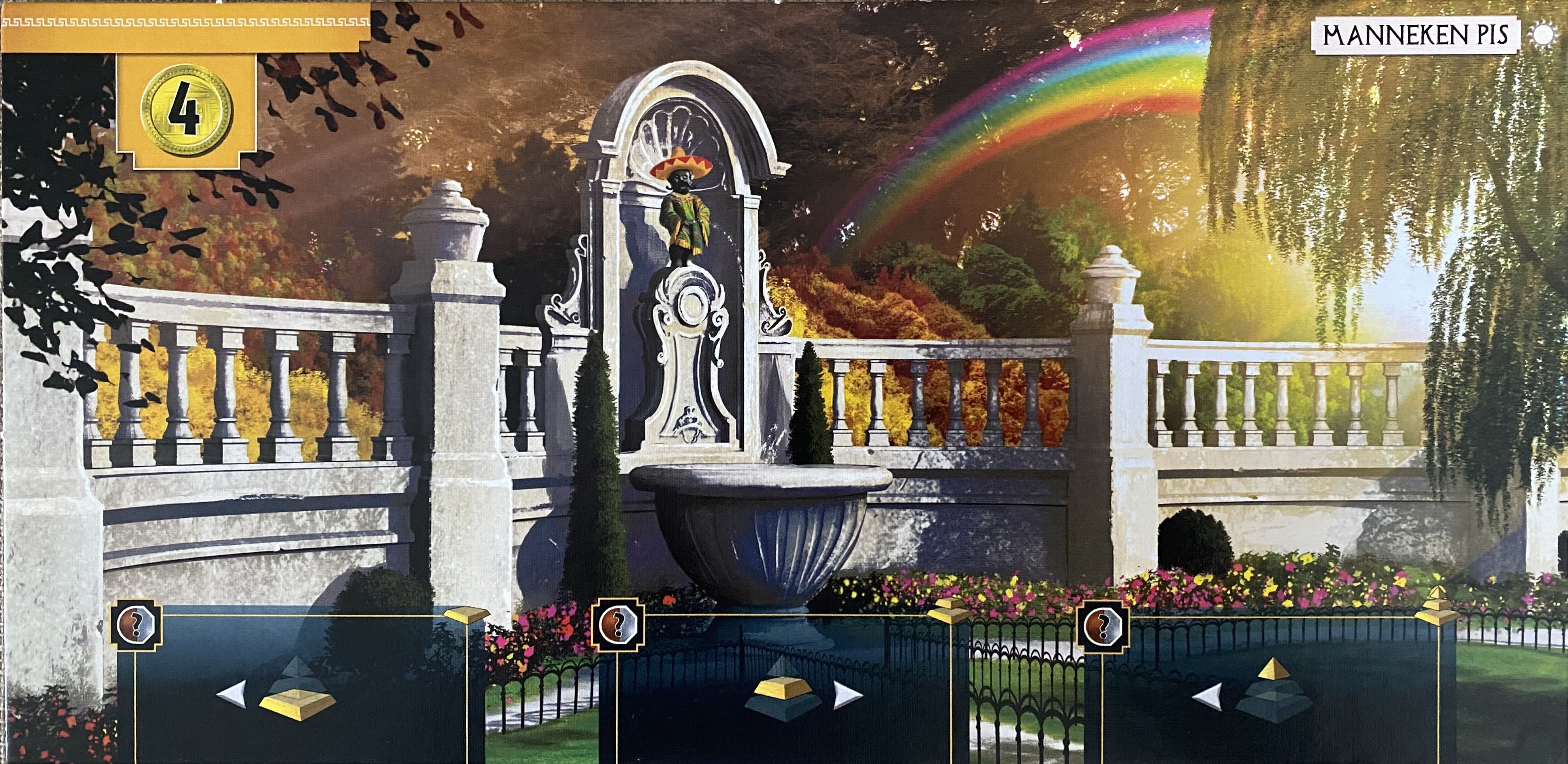 7 Wonders: Manneken Pis
 7 Wonders: Wonder Pack
 Game Wonders (fan expansion for 7 Wonders)
 Lost Wonders (fan expansion for 7 Wonders)
 More Wonders... (fan expansion for 7 Wonders)
 Myths (fan expansion for 7 Wonders)
 Sailors (fan expansion for 7 Wonders)
Other Games You'll Like
Based on mechanics and theme