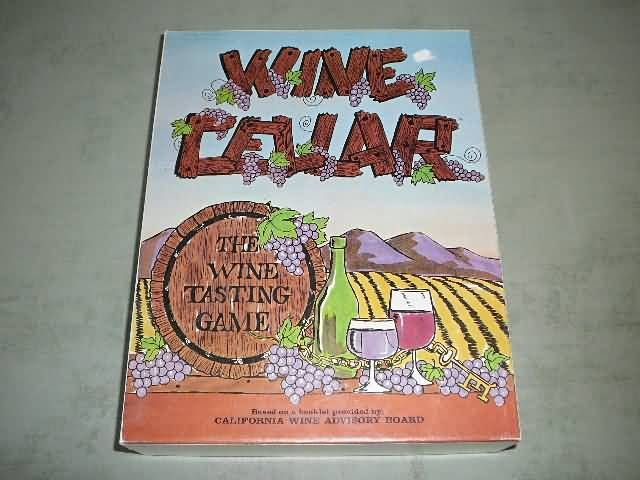
How to Play Wine Cellar
Dynamic Games / Dynamic Design Industries · Board game · 1971What do you want to do now
Ask anything about Wine Cellar: rules, setup, components, complexity, price, or whether it fits your group.
Step by step
Game Objective
In Ideal Harvest, you and your rivals take on the roles of sommeliers competing to prove who is best at selecting and storing wines. Each player represents a Client and must create a Wine Cellar that ages well and aligns with their client's specific tastes. Victory is decided by whoever accumulates the highest score at the end of the game.
Setup
To set up the game, follow these steps:
- Card Selection: Separate the Wine Bottle cards according to the number of players:
- 1–2 players: cards 1–18
- 3 players: cards 1–27
- 4 players: cards 1–36
- 5 players: cards 1–45
- 6 players: cards 1–54
- 7 players: cards 1–63
- 8 players: all cards
- Bottle Distribution:
- Divide the selected cards into two piles: half with lower numbers and half with higher numbers (if there's an extra card, it goes in the lower number pile).
- Shuffle the piles separately and deal four cards from each pile to each player. This ensures everyone starts with a balance of high and low values.
- The remaining Wine Bottle cards should be placed face-up in a column in the center of the table; these will be the Prize bottles for the first round.
- Client Selection:
- Shuffle the Client cards.
- For 2 or 3 players, choose one set of cards (marked A or B). For 4 or more players, use all cards.
- Deal two cards to each player. Each player chooses one to keep (placing it face-up in front of them) and discards the other.
Game Flow
The game takes place over eight rounds. The flow of each round follows this order:
- Bid: All players simultaneously choose a Wine Bottle card from their hand and place it face-down in front of them as their Bid.
- Reveal: Everyone reveals their cards simultaneously.
- Prize Selection: The player with the highest Bid Value chooses a Prize bottle first to add to their Wine Cellar. The second highest value chooses next, and so on, until everyone has chosen a bottle.
- Storage: The chosen bottle is set aside to start the cellar.
- Next Round Preparation: The Wine Bottle cards that were used as Bids this round are moved to the center of the table, becoming the Prize bottles for the next round.
Actions and How to Play
During the game, the main action is the auction to acquire wines. There are specific rules on how to organize your collection:
- Bid: You use the cards in your hand to compete for the available bottles. The card's value determines your choice priority.
- Wine Cellar Organization: After the first round, new bottles must be stored either on top or at the bottom of the stack of bottles already collected. It is forbidden to insert new cards between bottles already in the cellar.
End of Game and Scoring
The game ends when all Wine Bottle cards have been played and each player has eight bottles stacked in their Wine Cellar.
The final score is the sum of the following criteria:
- Cellar Score: The sum of the aging points for each bottle in the collection (the value depends on how long the bottle was left to age before being consumed).
- Client Preferences:
- Wine Type: Bonus points for bottles that match the Client's two preferred wine types.
- Country of Origin: Bonus points for bottles that match the Client's preferred country of origin.
The player with the highest total score is the winner.
Tips for Winning
- Bid Balance: Since you receive cards of both high and low values during setup, manage well when to use your highest values to ensure first choice of the most valuable Prize bottles.
- Client Synergy: Focus on collecting bottles that match your Client's Wine Type and Country of Origin to maximize the per-bottle scoring bonuses.
Rules manual
Official PDF file
Frequently Asked Questions
Quick answers about the rules
What is the objective of Wine Cellar?
How do you set up Wine Cellar?
How do you play Wine Cellar?
How does Wine Cellar end, and how do you score?
What are some tips for winning Wine Cellar?
Other Games You'll Like
Based on mechanics and theme