Barbarossa
Arclight Games, Kamikaze Games, Play & Win · Board game · 2010
2–5 · best 4
60 min
Weight 2.6/5
Buy · from US$ 42.10
7.0
rating
Ludopedia
6.8
rating
BGG
Our Verdict
FOR GENRE FANS
Perfect for deck-building enthusiasts who enjoy eccentric themes and anime aesthetics.
Highlights
- Solid deck-building mechanics
- Very charming anime art
- Events add great unpredictability
- Satisfying conquest progression
Keep in mind
- Theme may not be for everyone
- Moderate learning curve
Rules manual not indexed yet
Upload the PDF rulebook to ask questions about this game with AI.
About the game
What you do in a play session
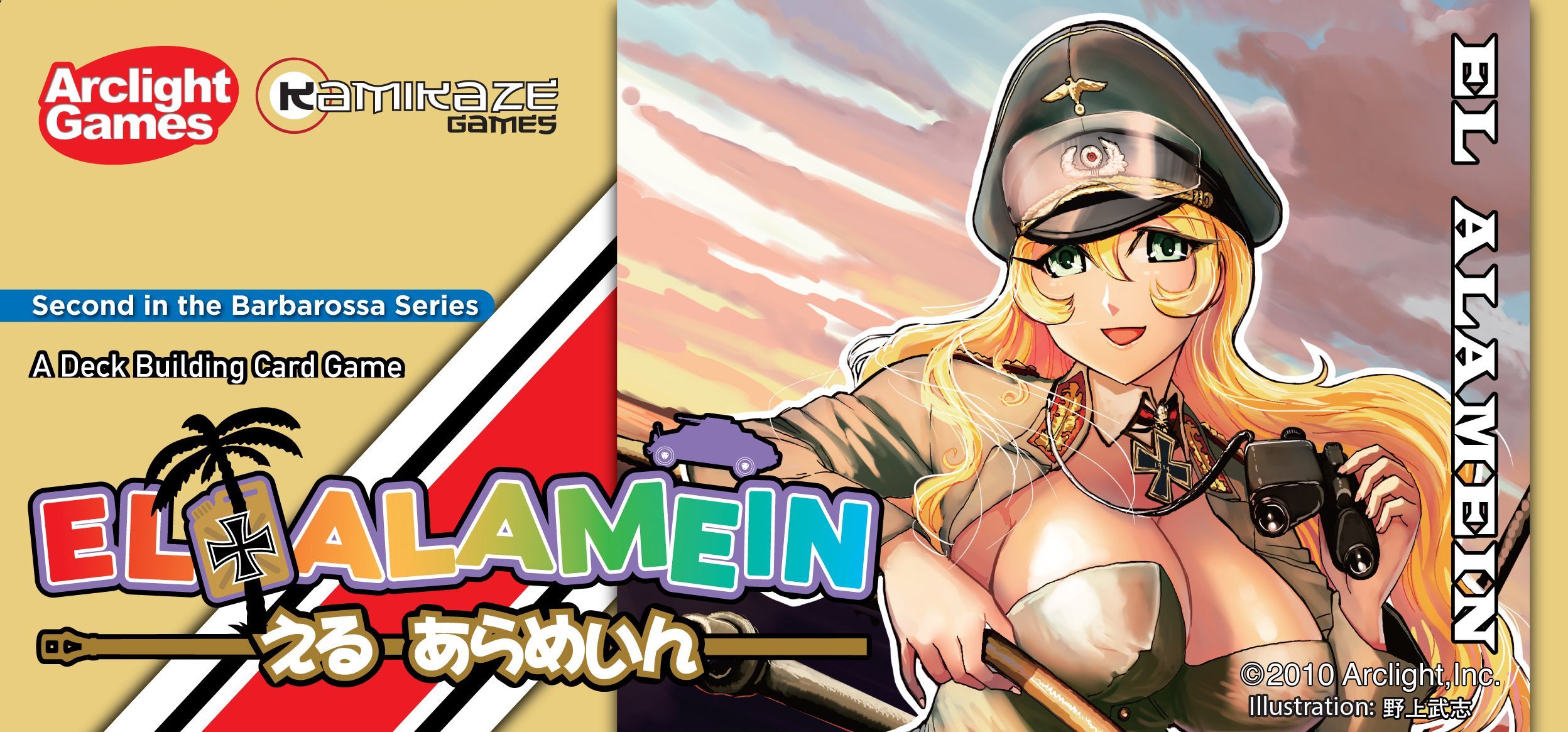
Ever wondered what World War II would look like with an anime twist and a dash of magic? In Barbarossa, you're dropped into a fictional setting where cute German military girls race toward Moscow to take down an evil magician version of Stalin. The goal is straightforward: capture Moscow. But getting there requires a sharp tactical mind.
The game revolves around a deck-building mechanism. Starting with a modest set of resource cards, you'll spend the game purchasing more powerful cards from an open pool to refine your strategy. There are six distinct card types to master: Supply cards (providing the currency for new purchases), Unit cards (which consume Operation Points to attack targets and earn victory points), Operation cards (one-time powerful bonuses that are removed from the game after use), Deploy cards (permanent buffs that stay in your play area), Target cards (the cities and strategic positions that provide VPs), and Event cards.
The tension ramps up with the Event deck; every time you launch an attack on a target, an event is triggered. You might face the dreaded 'General Winter' or other random twists that can flip the board. Capturing strategic positions is key, as they not only grant victory points but also make attacking cities much easier. Featuring art from renowned Japanese fanzine artists, the game delivers the signature Arclight aesthetic. If you enjoy the blend of military strategy and moe aesthetics, this is your game. It's a puzzle of optimization where every card choice determines whether you conquer the city or freeze in the Russian tundra.
The game revolves around a deck-building mechanism. Starting with a modest set of resource cards, you'll spend the game purchasing more powerful cards from an open pool to refine your strategy. There are six distinct card types to master: Supply cards (providing the currency for new purchases), Unit cards (which consume Operation Points to attack targets and earn victory points), Operation cards (one-time powerful bonuses that are removed from the game after use), Deploy cards (permanent buffs that stay in your play area), Target cards (the cities and strategic positions that provide VPs), and Event cards.
The tension ramps up with the Event deck; every time you launch an attack on a target, an event is triggered. You might face the dreaded 'General Winter' or other random twists that can flip the board. Capturing strategic positions is key, as they not only grant victory points but also make attacking cities much easier. Featuring art from renowned Japanese fanzine artists, the game delivers the signature Arclight aesthetic. If you enjoy the blend of military strategy and moe aesthetics, this is your game. It's a puzzle of optimization where every card choice determines whether you conquer the city or freeze in the Russian tundra.
Gallery
Box and component photos
Tap any photo to open fullscreen. Photos submitted by the community or publisher.
Best player count
BGG community vote
2
REC
3
REC
4
BEST
5
REC
Soundtrack
Ambience suggested by Melodice
Loading playlist...
Where to Buy
Prices monitored daily
Finding best prices...
Prices unavailable at this time.
Price history — last 6 months (lowest new offer)
As an Amazon Associate I earn from qualifying purchases. Prices and availability subject to change.
Alert enabled!
Join the BoardGamesBot deals group
Get the best board game deals every day — without message spam.
Join the WhatsApp groupGame details
Mechanics, categories, families and credits
Mechanics
Categories
Families
Publisher
Arclight Games, Kamikaze Games, Play & Win
Designer
Atsuo Yoshizawa
Artist
Eimu Mizuki, Jiji, Juusensyakoubou, Kotomi Tobashi, MamoWilliams, Maruto!, Poyoyon Rock, Rasenjin Hayami, Souji Kusaka, Takashi Hujisawa, Takashiakira, Takeshi Nogami, Yu Amano, Yuki Hayabusa, 一日郎
Community
Data from BoardGameGeek
1,725owners
290wishlist
49want to play
Frequently Asked Questions
Quick answers before you buy
Is the game complex?
It has a medium weight (2.57). If you've played Dominion, you'll grasp the core logic quickly, though Operation Point management adds extra depth.
How long does a game take?
A typical session lasts around 60 minutes, making it quite snappy for a conquest game.
How many players can join?
2 to 5 players. It scales well, though competition for targets becomes fiercer with more players.
Is the theme offensive?
The game uses an 'alternate history' approach with anime aesthetics. It focuses more on the 'moe' and strategic side than on realistic historical depictions.
Who would you recommend this to?
Anyone who loves optimizing decks and enjoys Japanese gaming/anime culture.
Other Games You'll Like
Based on mechanics and theme