3.0
rating
Ludopedia
7.1
rating
BGG
Our Verdict
RECOMMENDED
Bid3 blends tricks, prediction, and rock‑paper‑scissors into a quick game for three friends.
Highlights
- Fast tricks
- Predictive mechanic
- Rock‑paper‑scissors twist
- Low learning curve
- Great for short sessions
Keep in mind
- Only three players
- Requires prediction focus
- Limited deck
Rules manual not indexed yet
Upload the PDF rulebook to ask questions about this game with AI.
About the game
What you do in a play session
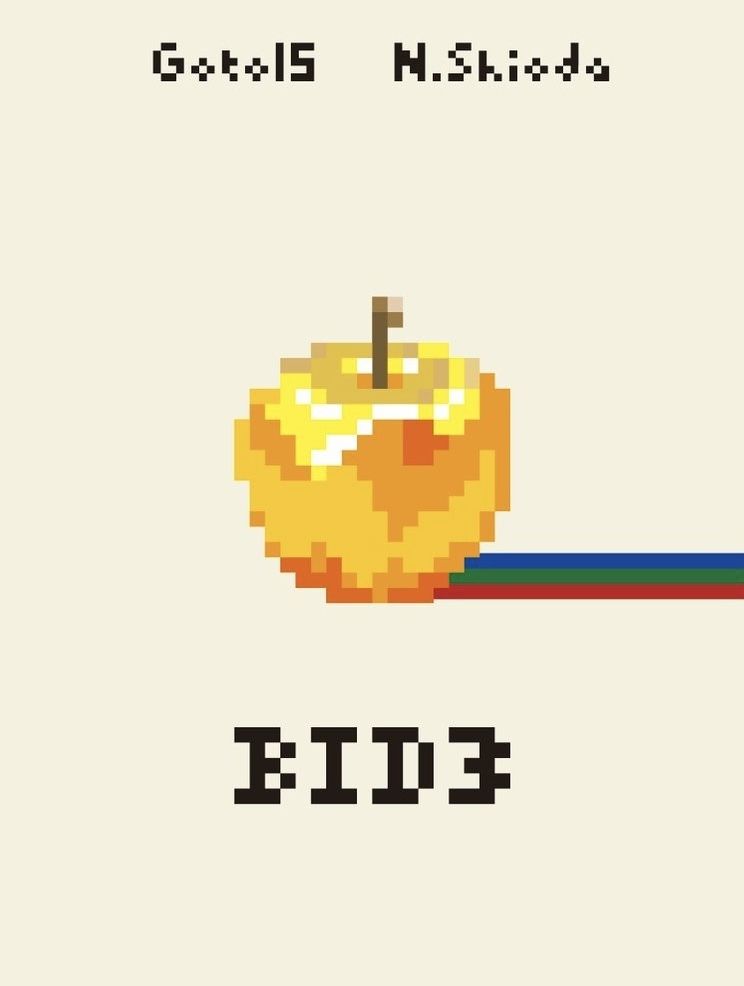
Bid3 is a quick, straight‑forward card game that works only with three players. The deck contains just three suits, each playing a role in the rock‑paper‑scissors mechanic: one beats another and is beaten by the third. When a player leads a trick, the highest card of the leading suit wins, unless a dominating card appears, changing the hierarchy. The goal isn’t to collect cards but to predict how many tricks you can win. After three tricks, each player selects a card from their hand and places it face‑down; the value of that card is your bid. The player who hits the exact number of tricks gets a bonus, but what really matters is who first wins three hands. A hand’s winner can be decided by who won all tricks, who won none, who hit their bid, or who won the most tricks, depending on the variant you choose. The game is short – each hand lasts just 15 minutes – and a 1/5 weight indicates an almost instant learning curve. However, the pre‑bid mechanic can trip up those used to classic card games, as you must estimate your own trick‑winning ability before seeing what others do. If you enjoy games that mix simple strategy with a dash of unpredictability, Bid3 will surprise you. It’s a great social puzzle that works well at parties, game nights, or when you want something light yet competitive. The standard Bid3 deck has 30 cards, evenly split among the three colors. Each card carries a numeric value that serves both for trick hierarchy and for the bid. The deck’s simplicity makes it easy to set up, but the interaction between cards adds strategic depth. During the trick phase, players decide whether to follow the leading suit or play a card that can dominate the trick. If a dominating card appears, it wins even if it’s of another suit. This circular domination rule adds a calculated risk element: you might try a high trick, but if the opponent plays the dominating card, your plan can fail. After three tricks, the bidding phase kicks in. Each player chooses a card still unused and places it in the center. The value of that card determines how many tricks you think you can win. If you hit the exact number, you get a bonus; if not, the score is based on the difference between your bid and the tricks won. The game continues until someone accumulates three winning hands. It’s designed for short sessions, ideal for those with limited time or looking for something rule‑light. Still, the need to predict your own performance can be challenging for those who prefer more direct games. Bid3 is perfect for groups of three friends who like to test their forecasting and opponent‑reading skills without the complexity of larger card games.
Gallery
Box and component photos
Tap any photo to open fullscreen. Photos submitted by the community or publisher.
Best player count
BGG community vote
3
BEST
Soundtrack
Ambience suggested by Melodice
Loading playlist...
Where to Buy
Prices monitored daily
Finding best prices...
Prices unavailable at this time.
Price history — last 6 months (lowest new offer)
As an Amazon Associate I earn from qualifying purchases. Prices and availability subject to change.
Alert enabled!
Join the BoardGamesBot deals group
Get the best board game deals every day — without message spam.
Join the WhatsApp groupGame details
Mechanics, categories, families and credits
Mechanics
Categories
Families
Publisher
(Self-Published)
Designer
ジュウゴ ゴトウ (Jyugo Goto)
Artist
ジュウゴ ゴトウ (Jyugo Goto)
Community
Data from BoardGameGeek
57owners
15wishlist
3want to play
Frequently Asked Questions
Quick answers before you buy
How long does a game last?
Each hand takes about 15 minutes, and the game ends when someone wins three hands.
How many players can play?
Bid3 is designed exclusively for three players.
What is the game’s complexity?
The learning curve is low; the rules are simple, but the prediction adds strategic depth.
What components are included?
A deck of 30 cards, evenly divided into three suits.
Who is this game for?
For groups of three friends who enjoy fast, strategic, and predictive card games.
How does the rock‑paper‑scissors mechanic work?
Each suit beats another and is beaten by the third; if a dominating card appears, it wins the trick even if it’s not the leading suit.
What is the final scoring?
The player who wins three hands first wins the game; bonuses are awarded when the bid matches the exact number of tricks won.
Other Games You'll Like
Based on mechanics and theme