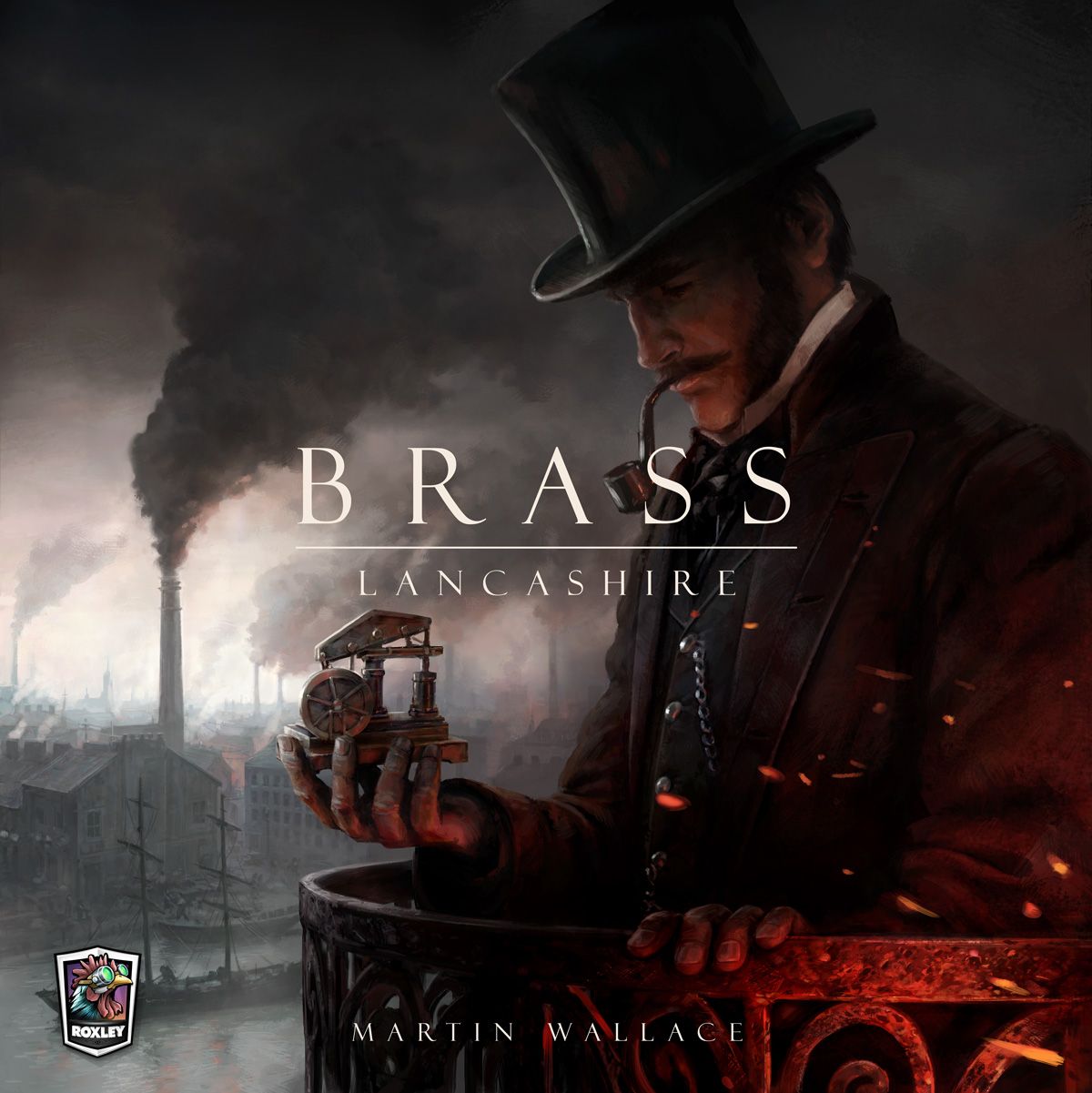
Brass: Lancashire
Roxley, Warfrog Games, Arclight Games · Board game · 2007What do you want to do now
Ask anything about Brass: Lancashire: rules, setup, components, complexity, price, or whether it fits your group.
If you're a fan of deep economic strategy and the Industrial Revolution, Brass: Lancashire offers a truly rewarding experience as you build your empire. Its two-era structure and intricate industry development are particularly standout features.
- Deep economic strategy and resource management
- Satisfying industry development and network building
- Two distinct eras add strategic depth
- High replayability with varied strategies
- High complexity requires dedicated learning
- Can be punishing for new players
- Long playtime may not suit everyone
About the game
What you do in a play session
The game is divided into two crucial phases: the canal era and the rail era. Points are tallied at the end of each phase, based on your canals, railways, and established (flipped) industries. In each round, players take turns, performing two actions from the following options: build an industry, construct a canal or railway, develop an existing industry, sell cotton, or take a loan. Turn order is a strategic detail in itself: the player who spent the least in the previous round goes first, which can open up opportunities for consecutive turns and bolder planning.
The cards in your hand limit where you can build or sell, but any card can be used to develop your industries. A key point is the management of shared resources: if you need coal to build a railway line, you'll have to use coal from the nearest source, which might be an opponent's coal mine, indirectly benefiting them. At the end of the canal phase, after the deck has been played, all canals and lowest-level industries are removed, making way for the rail phase, where new cards are dealt and the competition intensifies. In this phase, it's possible to occupy multiple spaces in a city and even build double connections, though they are more expensive. Another scoring round at the end of the rail phase determines the ultimate winner.
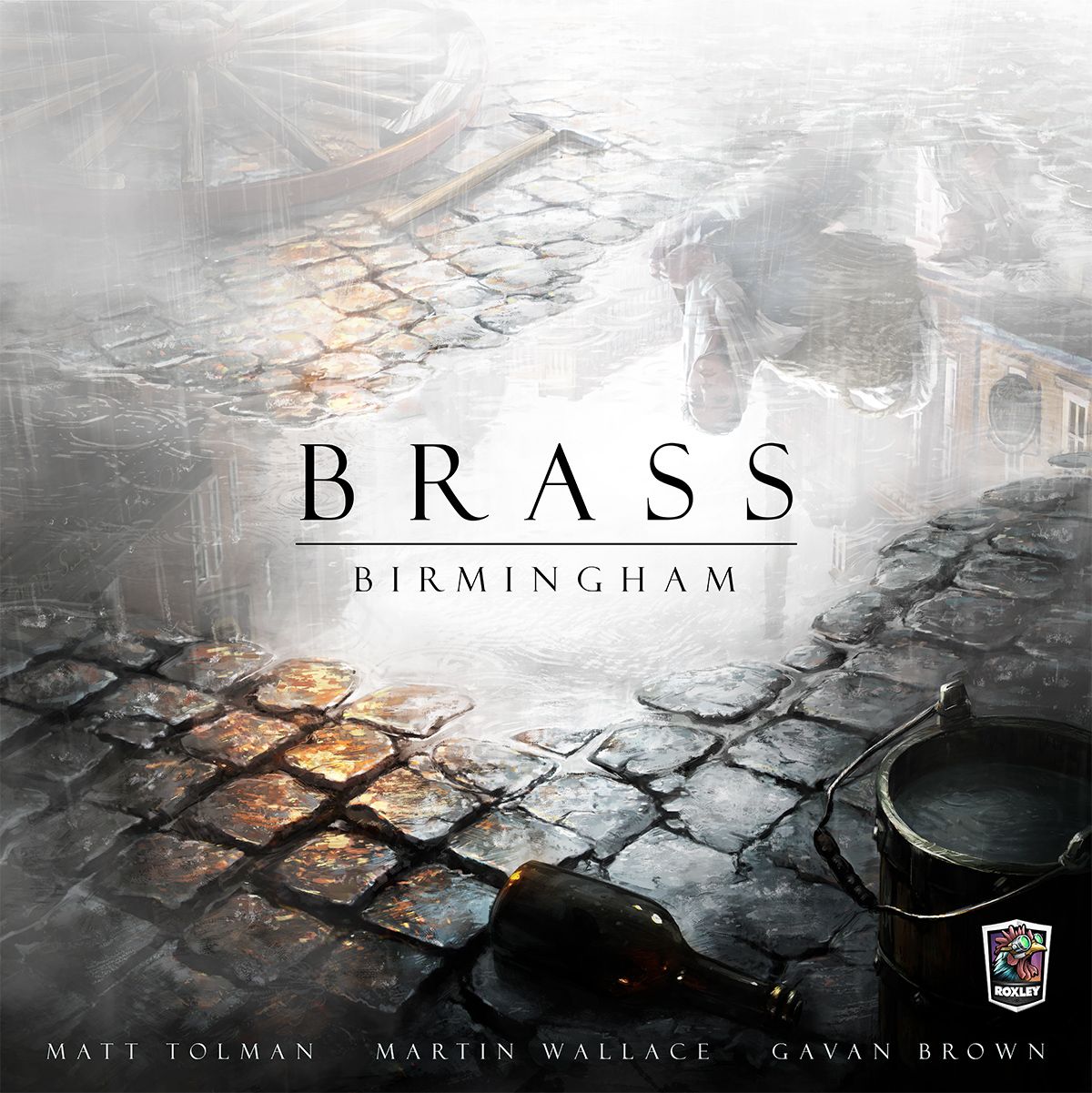
The 2018 edition from Roxley Games, which is the Brass: Lancashire we know today, brought a visual and component overhaul, as well as rule adjustments. The virtual link rules in Birkenhead became optional, the 3-player experience was improved to be closer to that of 4 players, and specific 2-player rules were created, without the need for an alternate board. Oh, and the level 1 cotton mill is now worth 5 VPs, making it a little less 'terrible'!
Gallery
Box and component photos
Tap any photo to open fullscreen. Photos submitted by the community or publisher.
Rules videos
Learn by watching before you open the box
In English
-
 Brass: Lancashire - Official Gaming Rules! How-to-Play video
-
 Brass: Lancashire - How To Play, by Watch It Played
-
 Heavy Cardboard Teaches Brass: Lancashire & Full Playthrough!
-
 Brass: How to Play
-
 Brass: Lancashire Tutorial & Playthrough - JonGetsGames
-
 Brass: Lancashire Board Game – How to Play & Setup
-
 How to setup and play Brass Lancashire, action by action with actual gameplay
-
 Pit Stop: Brass - Lancashire
-
 Brass Lancashire | How to Play
-
 Let's Try: Brass [Industry-Building Boardgame!]
Rules manual
Official PDF file
Best player count
BGG community vote
Soundtrack
Ambience suggested by Melodice
Where to Buy
Prices monitored daily
Price history — last 6 months (lowest new offer)
As an Amazon Associate I earn from qualifying purchases. Prices and availability subject to change.
Alert enabled!
Join the BoardGamesBot deals group
Get the best board game deals every day — without message spam.
Join the WhatsApp groupGame details
Mechanics, categories, families and credits
Mechanics
Categories
Families
Community
Data from BoardGameGeek
Frequently Asked Questions
Quick answers before you buy
How many players can play Brass: Lancashire?
What is the average playtime for a game?
What is the complexity level of the game?
What are the main components of the game?
Who is Brass: Lancashire for?
Are there any expansions for Brass: Lancashire?
Other Games You'll Like
Based on mechanics and theme