
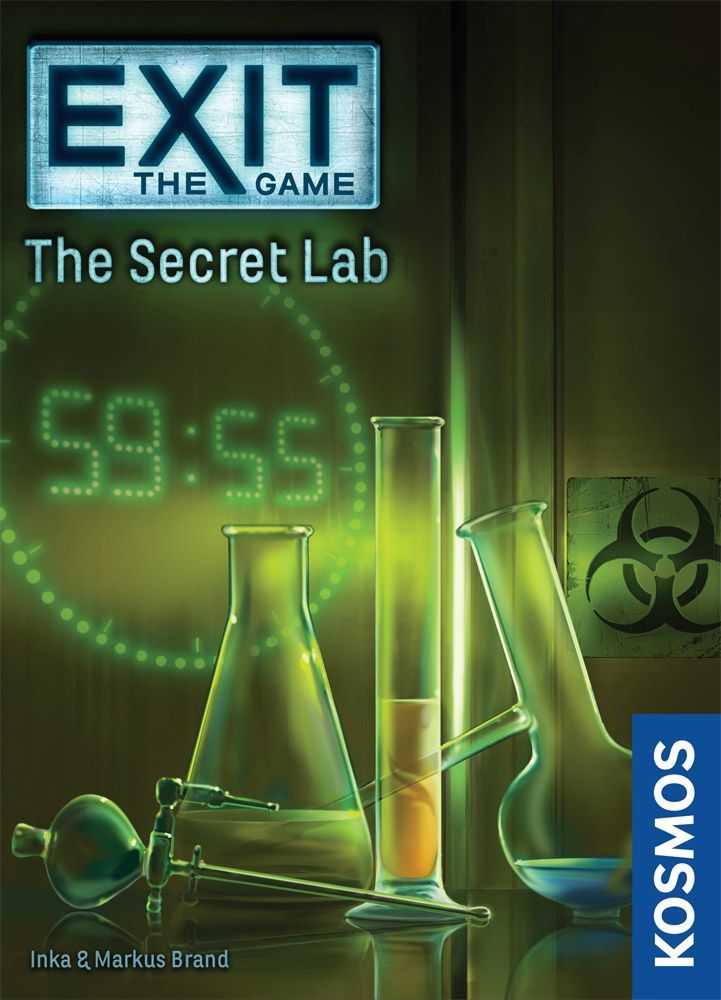
EXIT: The Game – The Secret Lab
KOSMOS, 999 Games, Brädspel.se · Board game · 2016
1–6 · best 2
Solo
45–150 min
Weight 2.5/5
Buy · from US$ 10.88
7.4
rating
Ludopedia
7.0
rating
BGG
Our Verdict
RECOMMENDED
Perfect for escape room fans looking for a fast and intense challenge at home.
Highlights
- Very creative and intriguing puzzles
- Excellent immersion for the format
- Great for testing teamwork
Keep in mind
- Game is destructive and non-replayable
- Requires extra materials like scissors
Rules manual not indexed yet
Upload the PDF rulebook to ask questions about this game with AI.
About the game
What you do in a play session
Imagine the scene: you and your friends volunteer for a medical study, everything is fine, until you realize the lab is strangely empty. Suddenly, a mysterious vapor starts emerging from a test tube, dizziness hits, and — poof — you pass out. When you wake up, panic sets in: the door is locked, and you're trapped in a place that seems to have been abandoned in a hurry. Your only hope? A notebook with some notes and an enigmatic code dial that seems to be the key to your freedom.
In 'EXIT: The Game – The Secret Lab', the mission is clear: get out of there before time runs out. But don't think it's just luck; you'll need a lot of creativity, teamwork, and sharp logical reasoning to crack codes and solve puzzles. The cool part is that the interaction with the components is intense, so get ready to fold, cut, and manipulate the cards and papers (yes, you will physically alter the game!).
It's an immersive experience that transforms your living room into a real escape room. You'll need to observe every detail, as the solution might be in the most unlikely place. If you get stuck, there are hints available, but the challenge is precisely to feel that adrenaline of 'we're almost there!'. It's the perfect game for those who want to test the group's synergy and see who the real master of deduction is. Just remember to have pens, paper, and scissors ready, because you'll need all of them to unlock the doors and escape this creepy lab.
In 'EXIT: The Game – The Secret Lab', the mission is clear: get out of there before time runs out. But don't think it's just luck; you'll need a lot of creativity, teamwork, and sharp logical reasoning to crack codes and solve puzzles. The cool part is that the interaction with the components is intense, so get ready to fold, cut, and manipulate the cards and papers (yes, you will physically alter the game!).
It's an immersive experience that transforms your living room into a real escape room. You'll need to observe every detail, as the solution might be in the most unlikely place. If you get stuck, there are hints available, but the challenge is precisely to feel that adrenaline of 'we're almost there!'. It's the perfect game for those who want to test the group's synergy and see who the real master of deduction is. Just remember to have pens, paper, and scissors ready, because you'll need all of them to unlock the doors and escape this creepy lab.
Gallery
Box and component photos
Tap any photo to open fullscreen. Photos submitted by the community or publisher.
Rules videos
Learn by watching before you open the box

Best player count
BGG community vote
1
REC
2
BEST
3
REC
4
REC
5
OK
6
OK
Soundtrack
Ambience suggested by Melodice
Loading playlist...
Where to Buy
Prices monitored daily
Finding best prices...
Prices unavailable at this time.
Price history — last 6 months (lowest new offer)
Alert enabled!
Join the BoardGamesBot deals group
Get the best board game deals every day — without message spam.
Join the WhatsApp groupGame details
Mechanics, categories, families and credits
Mechanics
Categories
Families
Publisher
KOSMOS, 999 Games, Brädspel.se, Brain Games, Devir, Dino Toys s. r. o., Galakta, Giochi Uniti, Group SNE, IELLO, Kaissa Chess & Games, Korea Boardgames, Lautapelit.fi, Piatnik Distribution, Spilbræt.dk, Thames & Kosmos, Vennerød Forlag AS, Zvezda
Designer
Inka Brand, Markus Brand
Artist
Franz Vohwinkel, Inka Brand, Markus Brand, Michaela Kienle, Sensit Communication GmbH, Silvia Christoph
Community
Data from BoardGameGeek
Frequently Asked Questions
Quick answers before you buy
Can I play it more than once?
No. Since you cut and fold the components to solve the puzzles, the game is one-time use. Once solved, the mystery is over!
Do I need any extra materials?
Yes! Have a pen, paper, and especially scissors on hand. Without them, you won't be able to solve several of the puzzles.
Is it very difficult?
It has a medium difficulty level. If the group gets stuck, there are hint cards to give you a nudge without giving away the answer.
How many people can play?
From 1 to 6 players. It works well solo, but the fun increases when more people are debating theories.
How long does a game last?
Generally between 45 and 150 minutes, depending on how fast you are at cracking the codes.
Other Games You'll Like
Based on mechanics and theme
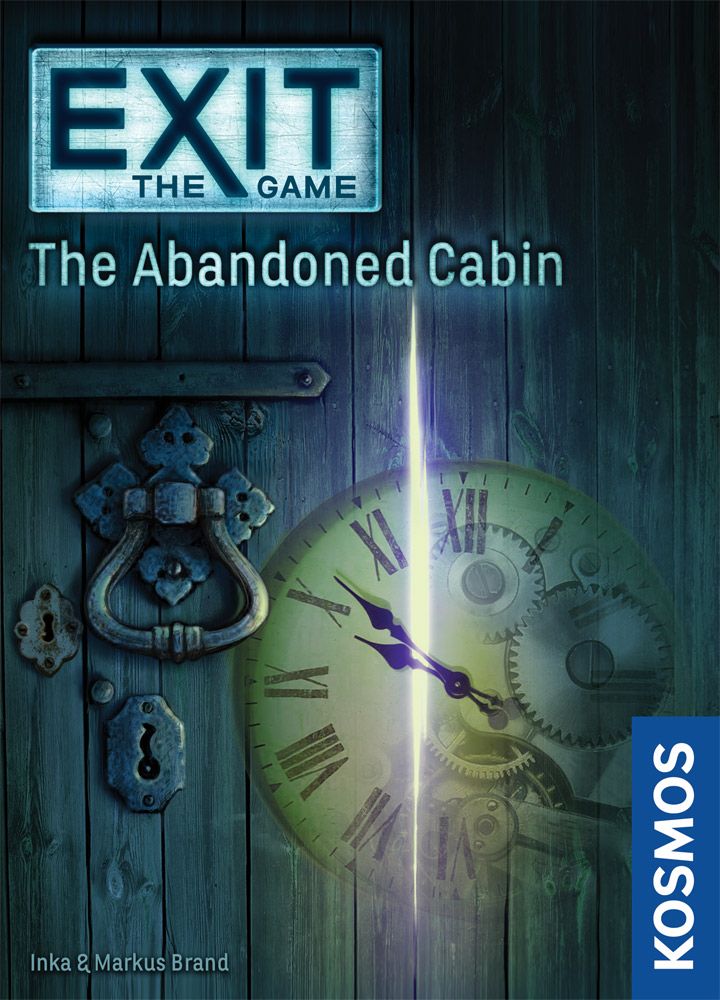 EXIT: The Game – The Abandoned Cabin
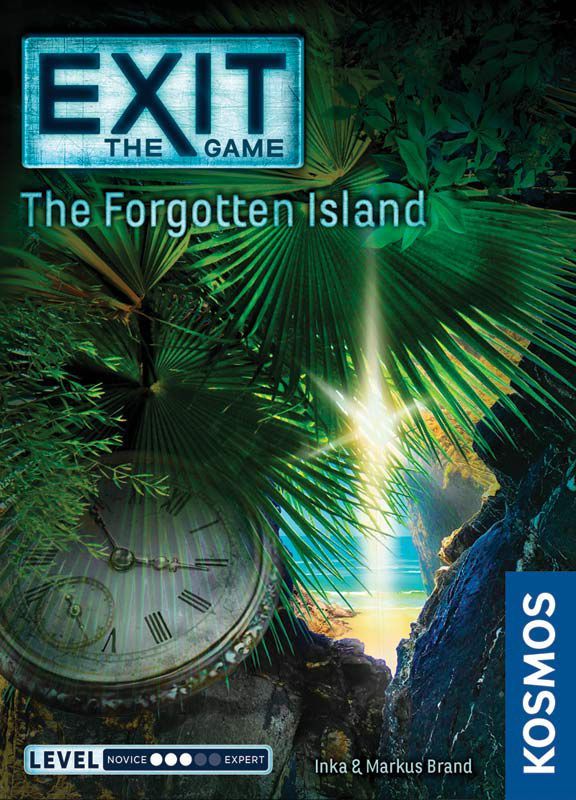 EXIT: The Game – The Forgotten Island
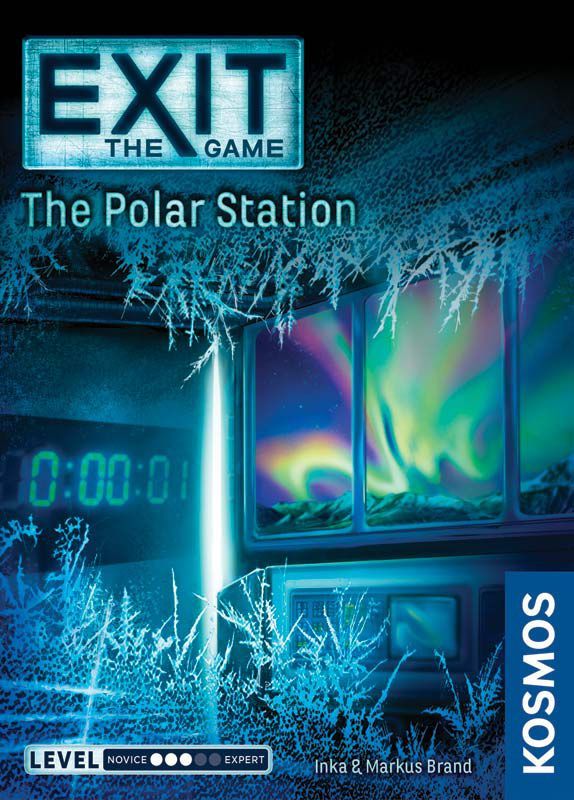 EXIT: The Game – The Polar Station
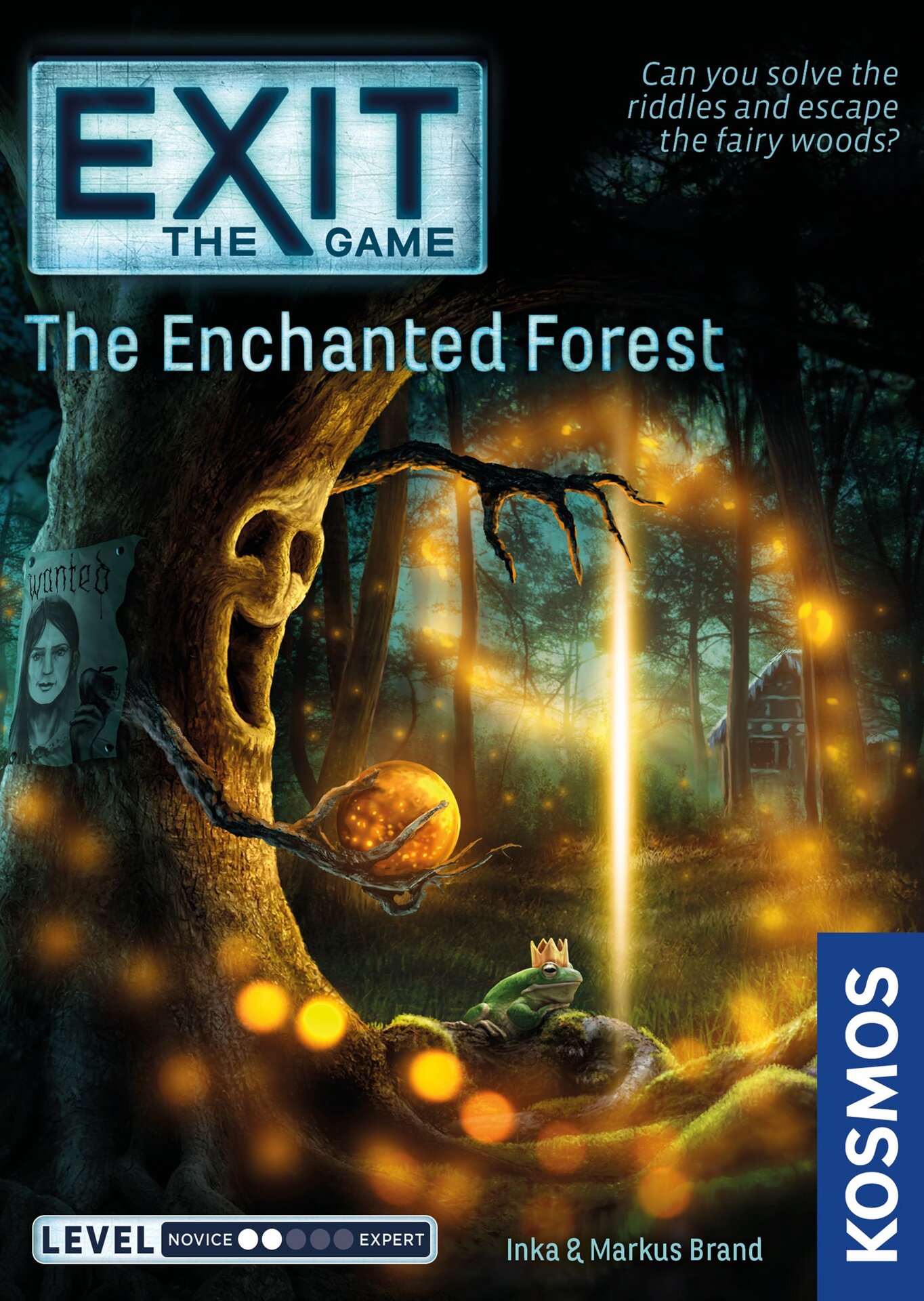 EXIT: The Game – The Enchanted Forest
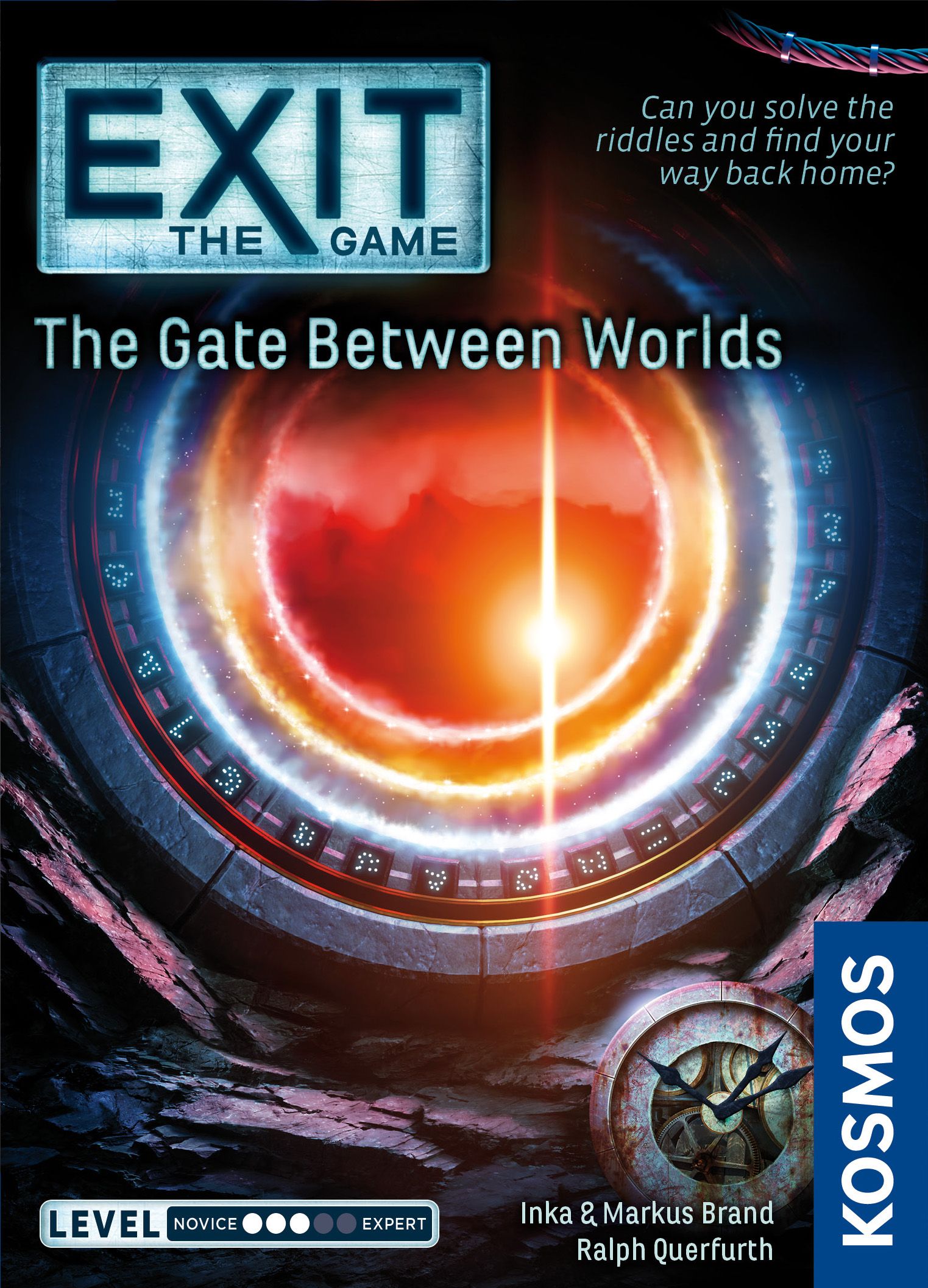 EXIT: The Game – The Gate Between Worlds
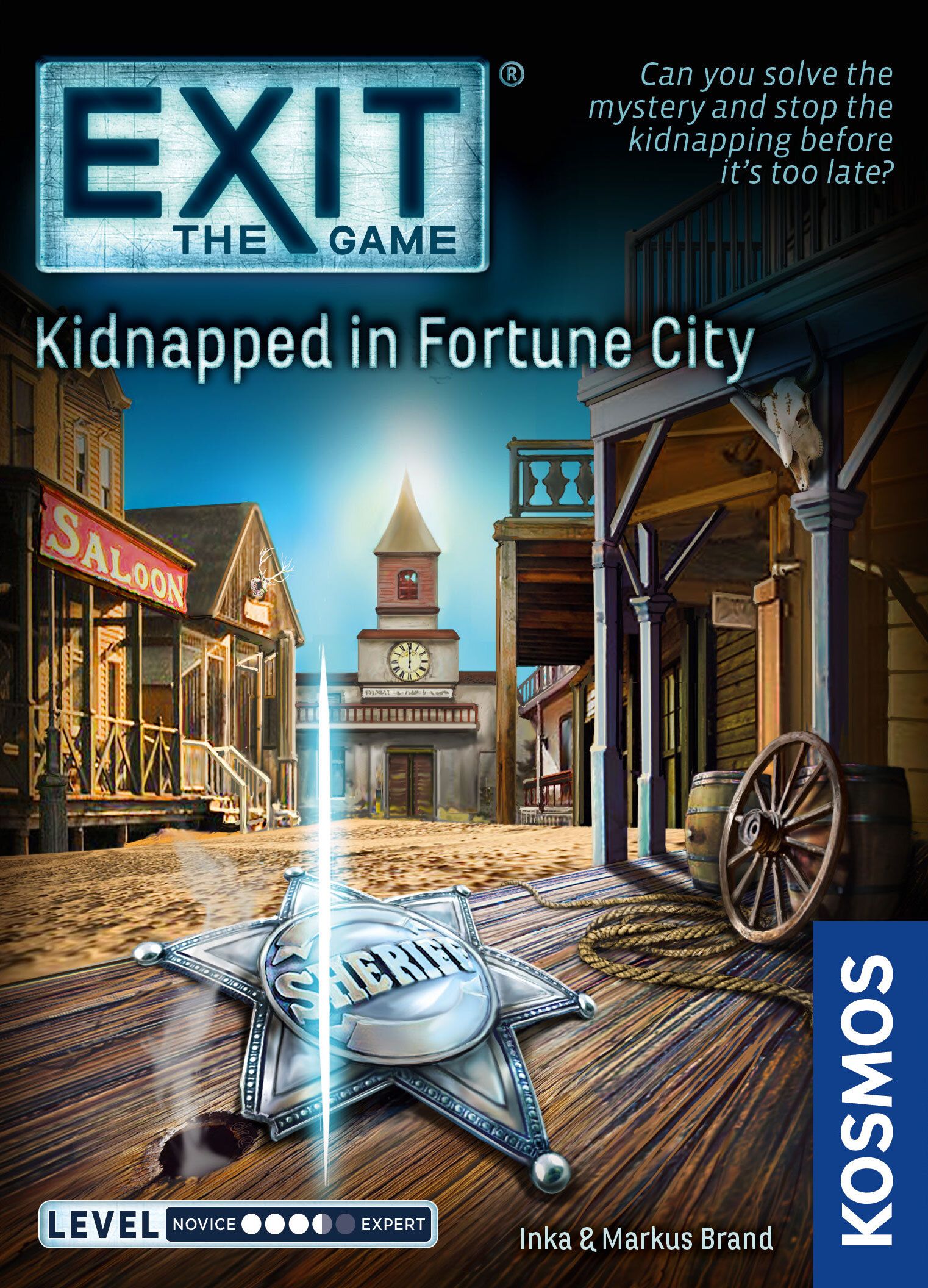 EXIT: The Game – Kidnapped in Fortune City
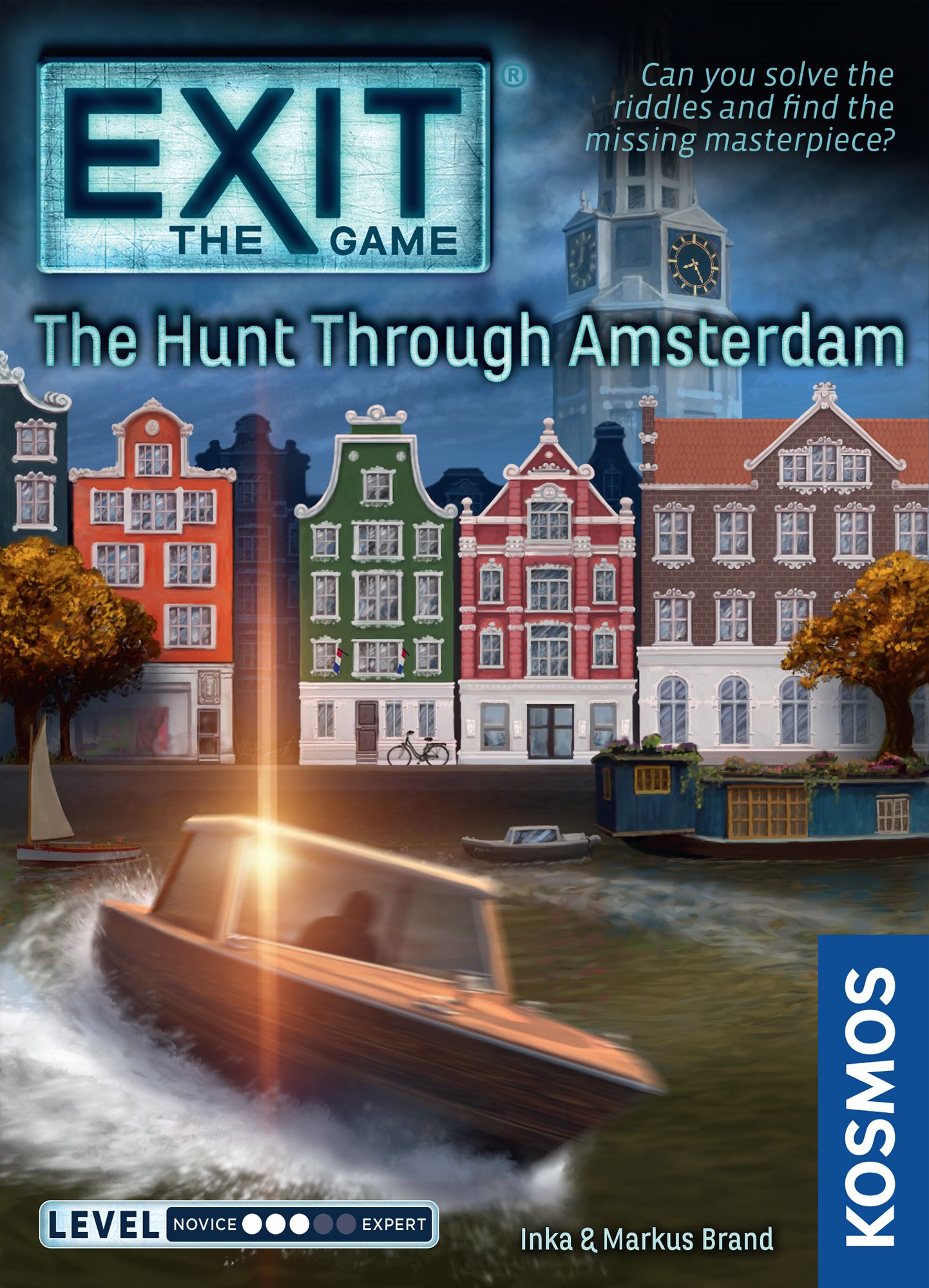 EXIT: The Game – The Hunt Through Amsterdam
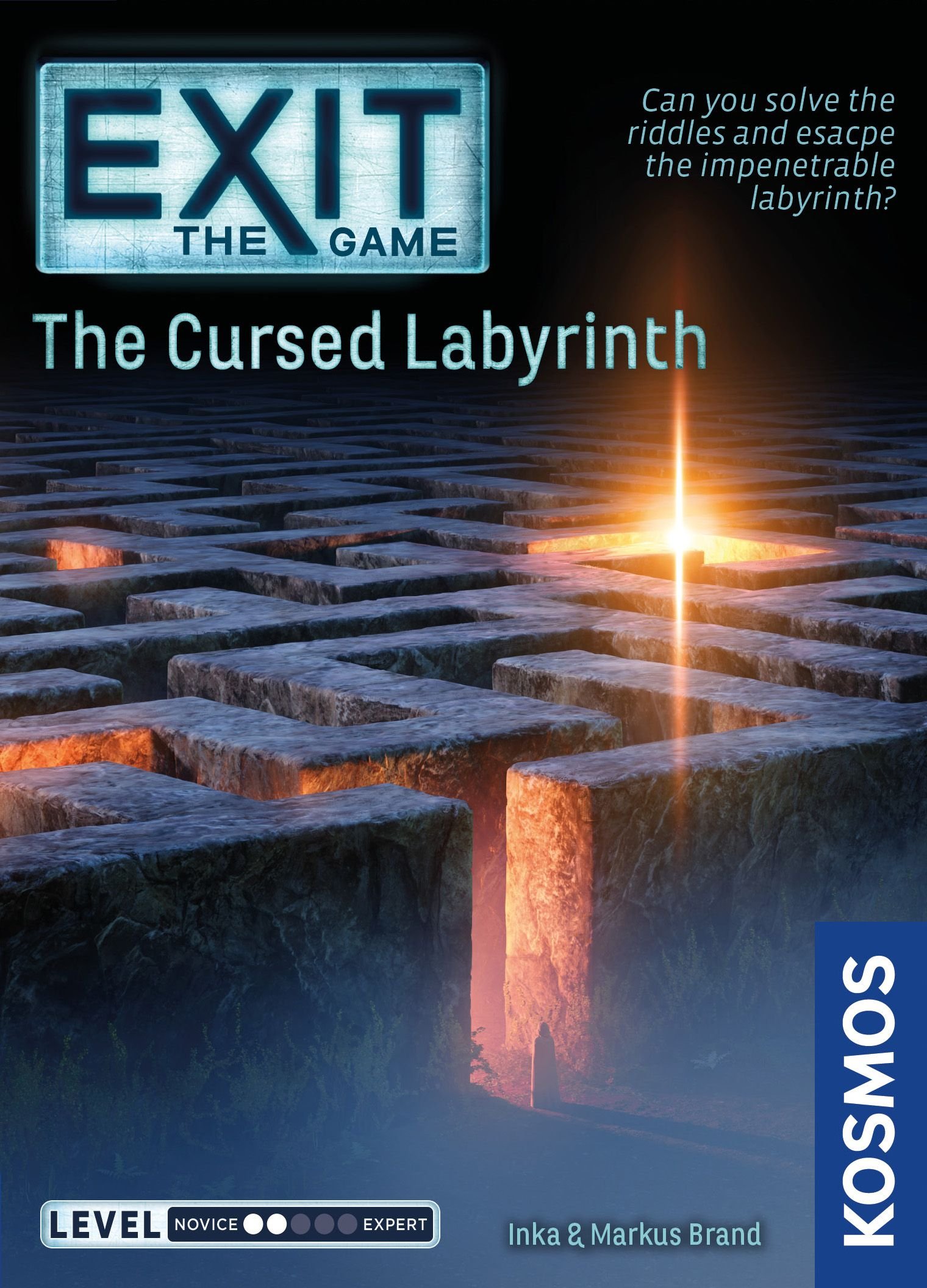 EXIT: The Game – The Cursed Labyrinth
