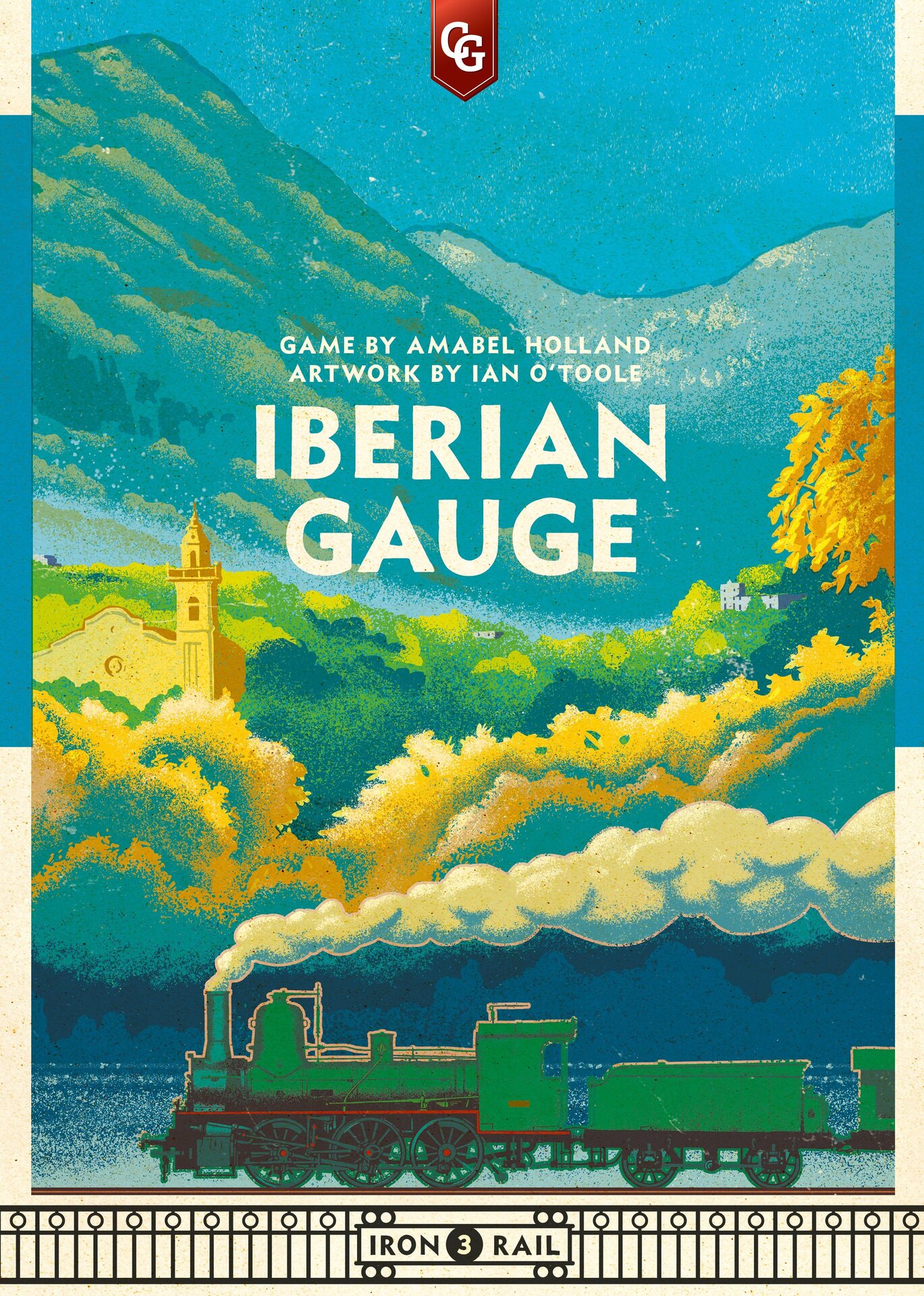
Irish Gauge — Price & soundtrack
Capstone Games, Winsome Games · Board game · 2014Perfect for those who love fast-paced economic games and the tension of stock speculation. Its strength lies in the simplicity of the cubes paired with financial depth.
- Very engaging stock dynamics
- Fast and fluid gameplay
- Simplified and efficient route building
- High strategic depth
- Learning curve for those new to economics
- Interaction can be aggressive for some
About the game
What you do in a play session
The dynamics revolve around five railway companies. On your turn, you face crucial choices: you can auction shares of a company for profit, build tracks (by placing cubes) to expand the network, upgrade towns into cities to increase regional value, or—the power move—call for dividends. Dividends are the heart of the game: shareholders receive payouts based on how many cities the railway connects and how many shares have been issued.
The twist is that upgrade actions and dividend calls don't just fill your pockets; they also control the game's pace and the likelihood of future payouts. It's all about timing and speculation. Do you want to expand the network to increase the company's value, or do you want to cash out now and leave your opponents stranded? Victory isn't about who built the largest network, but who ends the game with the highest net worth—the sum of your cash on hand and the current value of your stocks. It's a battle of economic wits where efficient capital management is what separates the tycoon from the bankrupt.
Gallery
Box and component photos
Tap any photo to open fullscreen. Photos submitted by the community or publisher.
Rules videos
Learn by watching before you open the box


Best player count
BGG community vote
Soundtrack
Ambience suggested by Melodice
Where to Buy
Prices monitored daily
Price history — last 6 months (lowest new offer)
As an Amazon Associate I earn from qualifying purchases. Prices and availability subject to change.
Alert enabled!
Join the BoardGamesBot deals group
Get the best board game deals every day — without message spam.
Join the WhatsApp groupGame details
Mechanics, categories, families and credits
Mechanics
Categories
Families
Community
Data from BoardGameGeek
Frequently Asked Questions
Quick answers before you buy
Is the game too complex?
How long does a game last?
How many people can play?
Do I need to understand economics to play?
What's in the box?
Who do you recommend this for?
Other Games You'll Like
Based on mechanics and theme