How to Play Keyflower
R&D Games, Arclight Games, Czacha Games · Board game · 2012What do you want to do now
Ask anything about Keyflower: rules, setup, components, complexity, price, or whether it fits your group.
Video: How to Play
Start here, then follow the written guide
Step by step
Objective of the Game
Welcome, future Keyflower masters! In this delightful game, you're not just playing; you're building a vibrant village, expanding your skills, and gathering resources to become the most prosperous settlement. Your ultimate goal is to accumulate the most Victory Points by the end of the game, which you'll earn from your village tiles, skill tiles, and collected resources. So, roll up your sleeves, because it's time to outmaneuver your opponents and build the most impressive Keyflower village!
Preparation (Setup)
Alright, let's get this village started! Setting up Keyflower is a breeze:
- First, place the main game board in the center of your playing area. This is where all the action will happen!
- Each player chooses a color and receives their starting components:
- A set of meeples (your workers) in their chosen color.
- A starting home tile, which is the heart of your budding village.
- A few initial skill tiles – these will give you a head start on certain abilities.
- Shuffle the various village tiles and place them face down in their designated stacks on the game board. These are the buildings and extensions you'll be acquiring throughout the game.
- Place the different types of resource tokens (wood, stone, iron, gold) and skill tokens (blacksmith, carpenter, etc.) in their respective supply areas on the board. You'll be needing these!
- Finally, deal out a few initial boat tiles to the designated spaces on the board. These boats bring new meeples and resources to your village each season.
And just like that, you're ready to begin your journey in Keyflower!
The Game Turn
Keyflower is played over four seasons: Spring, Summer, Autumn, and Winter. Each season has a series of turns where players take actions. On your turn, you have a couple of key choices:
- Place Meeples to Bid or Activate: This is the core of the game! You can place one or more of your meeples (or even meeples of other colors if you're clever!) onto a tile to either:
- Bid on a new village tile: If you want to claim a new building or expansion for your village, place meeples on it. The player with the most meeples on a tile at the end of the season wins it!
- Activate a tile's action: If you want to use the special ability of a tile (either one in your village, a tile on the main board, or even an opponent's tile!), place meeples on it. The color of the meeples you place determines the type of action you can take or the resources you can gain.
- Pass: If you don't want to take any more actions, or can't, you can simply pass. Once all players have passed, the season ends!
Remember, the color of your meeples matters! Green, yellow, and blue meeples are your basic workers, while red meeples are more specialized. Using the right color at the right time is crucial for efficiency.
End of Game and Scoring
The game concludes at the end of the Winter season. Once the final actions of Winter are resolved, it's time for the grand tally to see whose village reigns supreme!
Players will calculate their Victory Points from several sources:
- Village Tiles: Many of your acquired village tiles will have Victory Point values printed on them. Some might even give you bonus points for specific resources or other tiles in your village.
- Skill Tiles: Your collected skill tiles also contribute to your final score, often providing points for specific sets or combinations.
- Resources: Any remaining resource tokens you have at the end of the game will also convert into Victory Points. Don't forget to count them!
The player with the highest total of Victory Points is declared the winner and the most successful Keyflower villager!
Tips for Winning
New to Keyflower? Here are a couple of pointers to get you started on the path to victory:
- Diversify Your Meeples: Don't just focus on one color of meeples! Having a good mix of green, yellow, blue, and red meeples will give you more flexibility to bid on tiles and activate various actions throughout the game.
- Watch Your Opponents: Keyflower is highly interactive. Pay attention to what tiles your opponents are bidding on and what actions they are taking. Sometimes, using an opponent's tile for a small cost can be more beneficial than building your own. Plus, you might even deny them a crucial action!
More videos
More rules explanations from the community


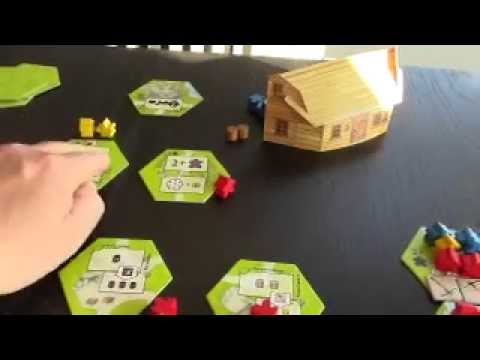
Rules manual
Official PDF file
Frequently Asked Questions
Quick answers about the rules
What is the objective of Keyflower?
How do you set up Keyflower?
How does Keyflower end, and how do you score?
What are some tips for winning Keyflower?
Expansions
Published additional content
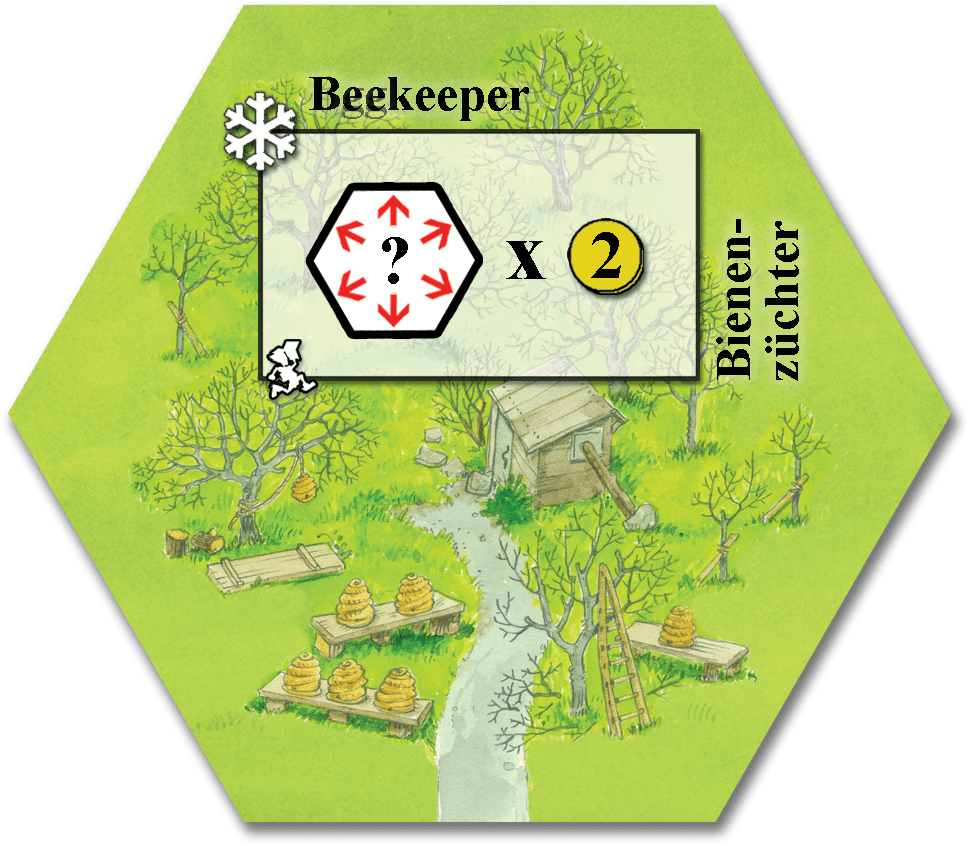 Keyflower: Beekeeper
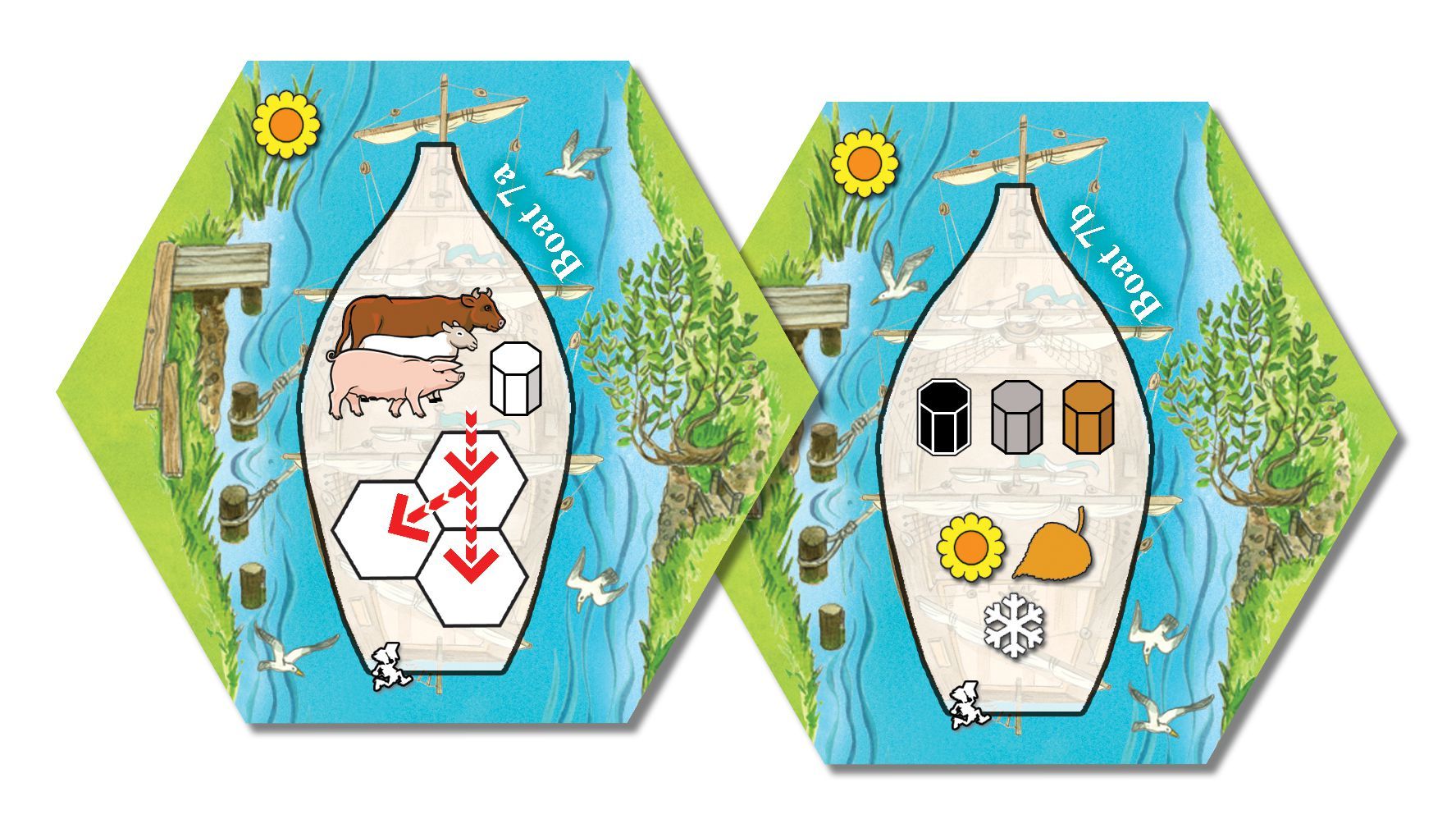 Keyflower: Boat 7
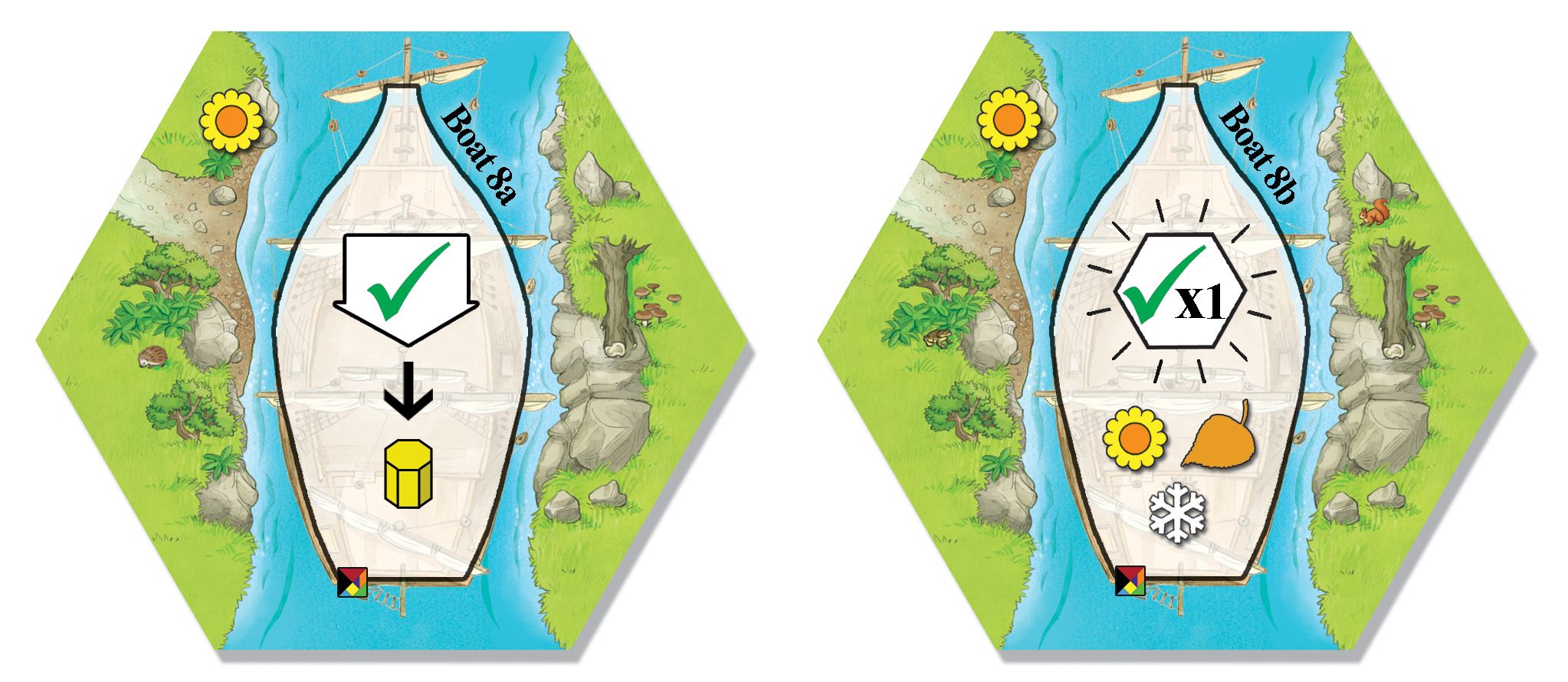 Keyflower: Boat 8
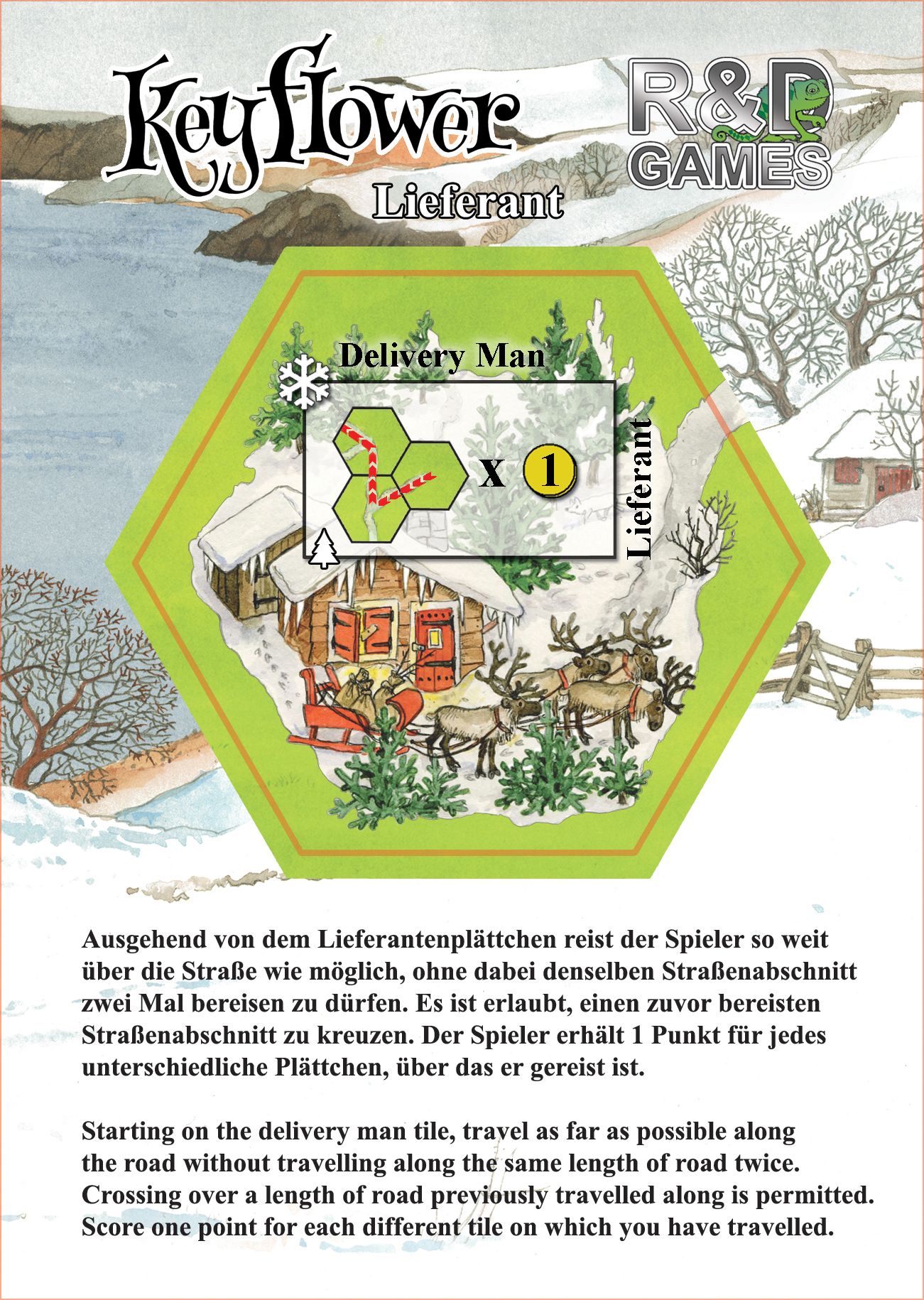 Keyflower: Delivery Man
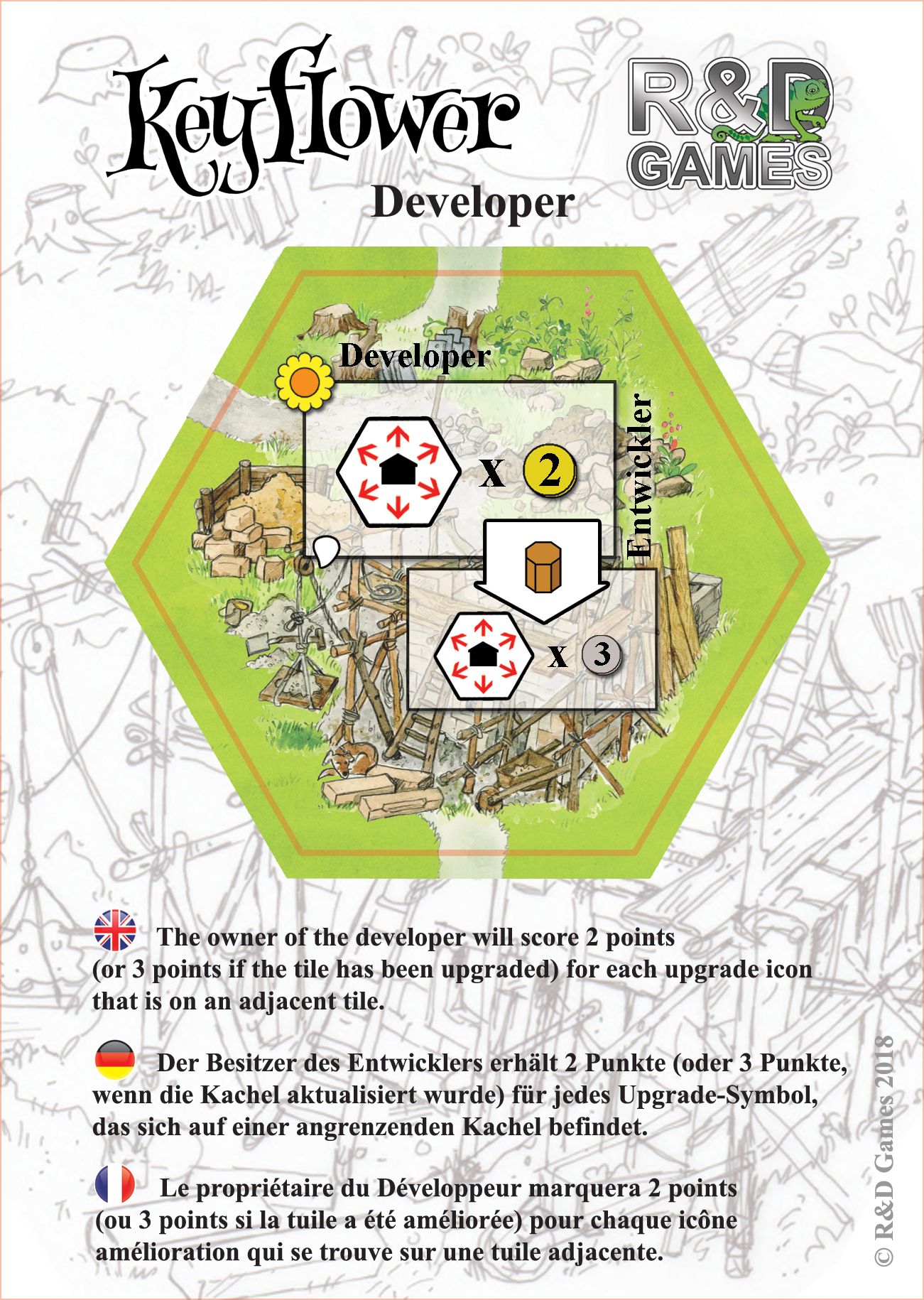 Keyflower: Developer
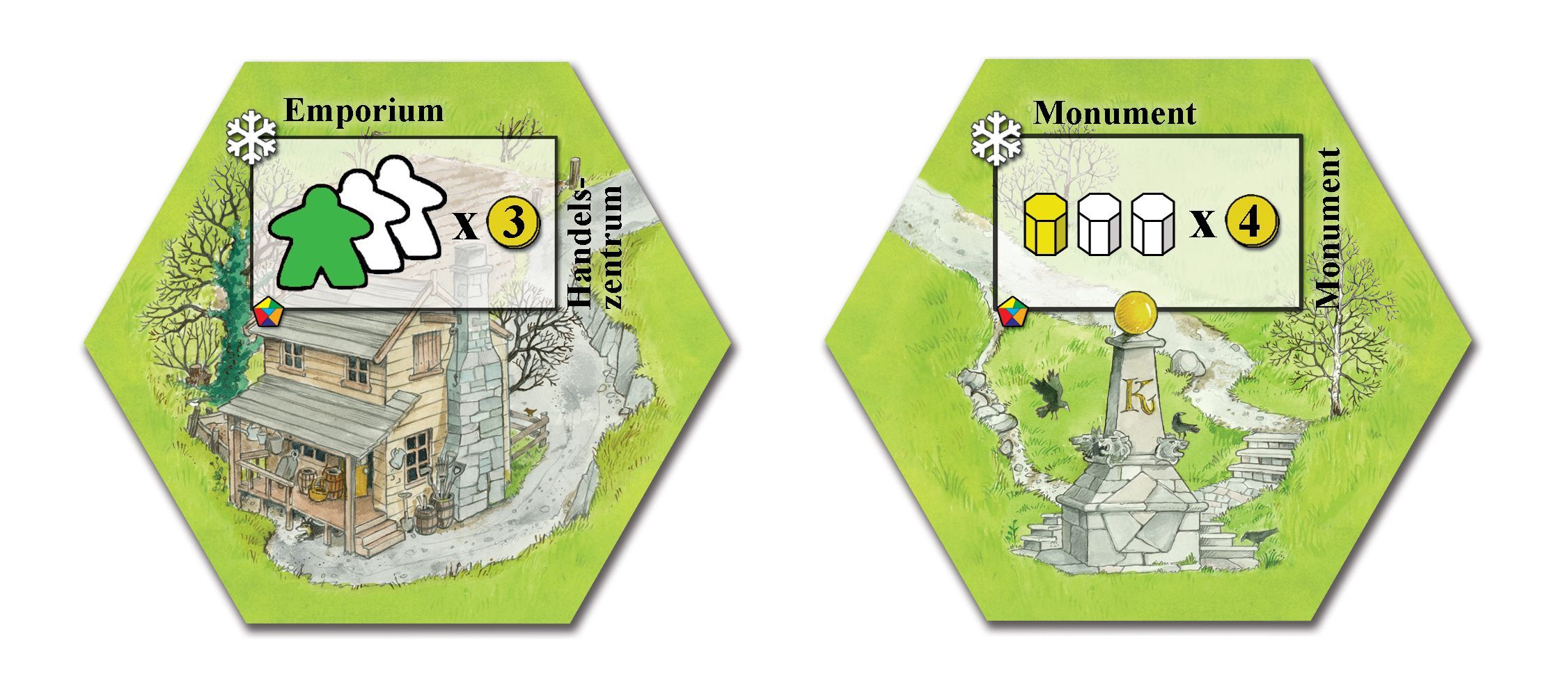 Keyflower: Emporium & Monument
 Keyflower: Key Celeste
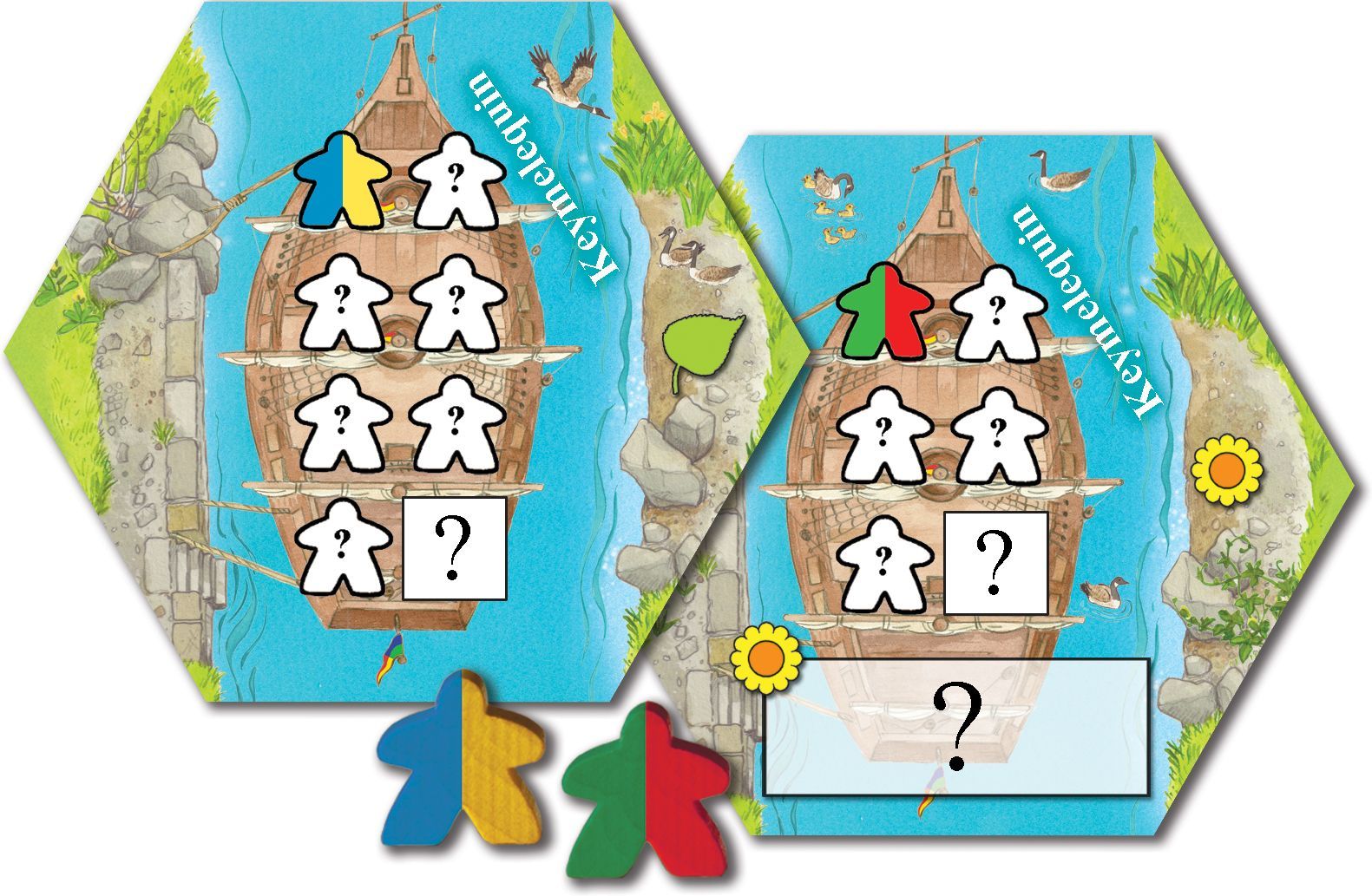 Keyflower: Keymelequin
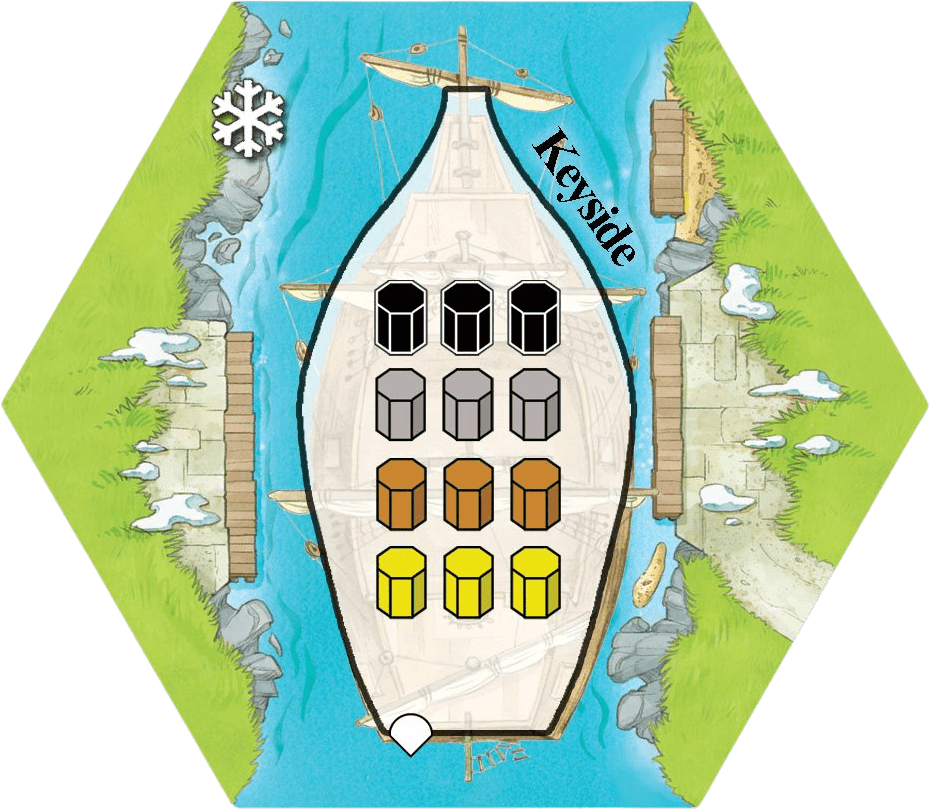 Keyflower: Keyside
 Keyflower: Sorcerer
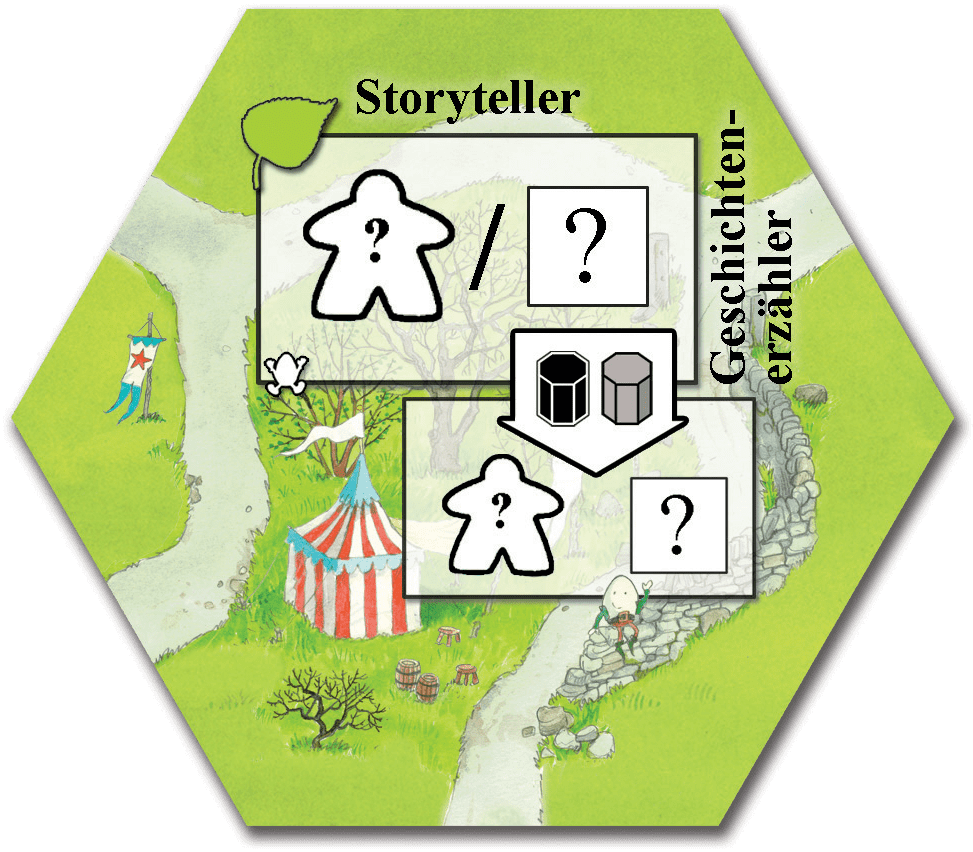 Keyflower: Storyteller
 Keyflower: Talton Lodge
 Keyflower: The Farmers
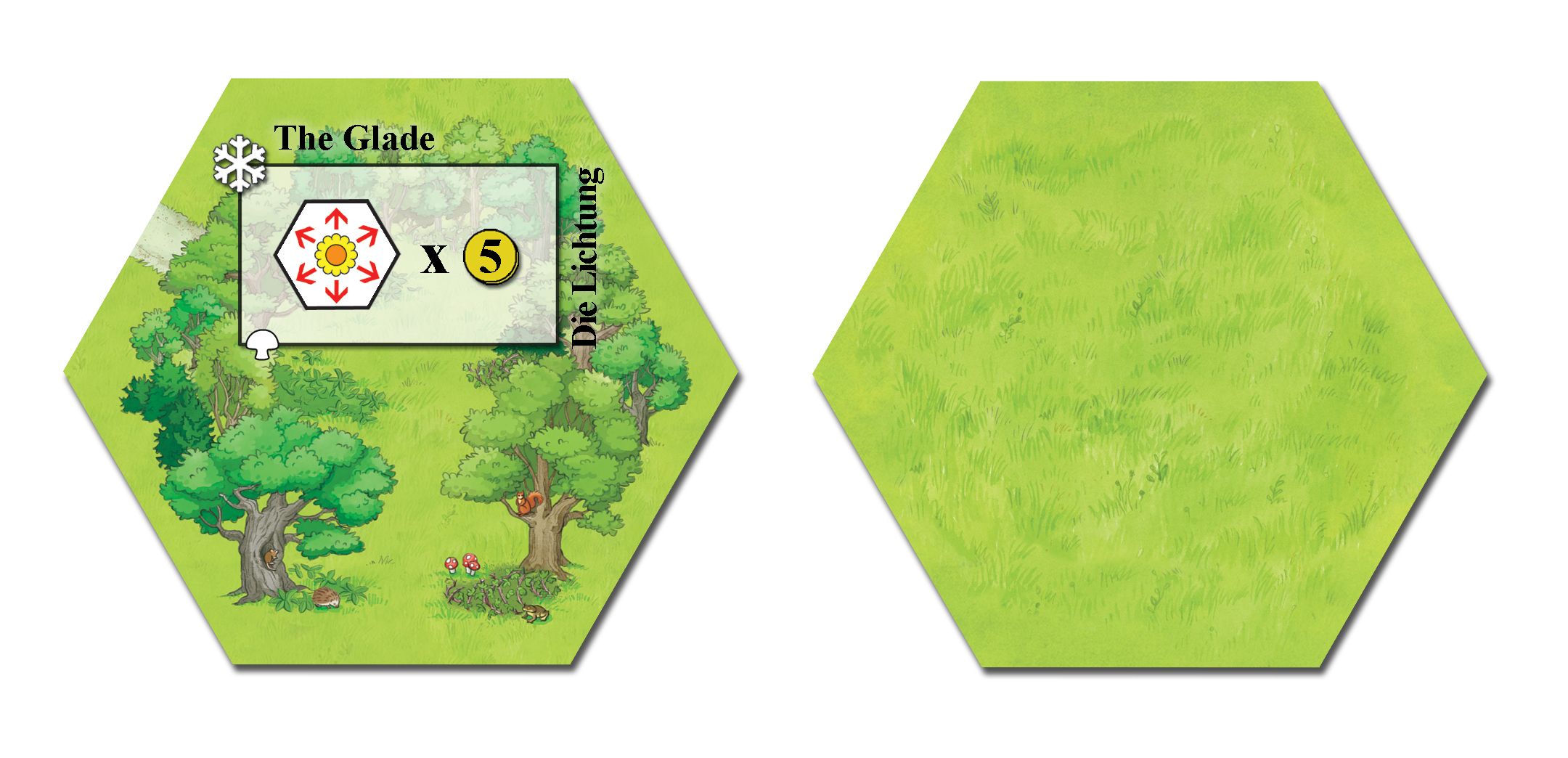 Keyflower: The Glade
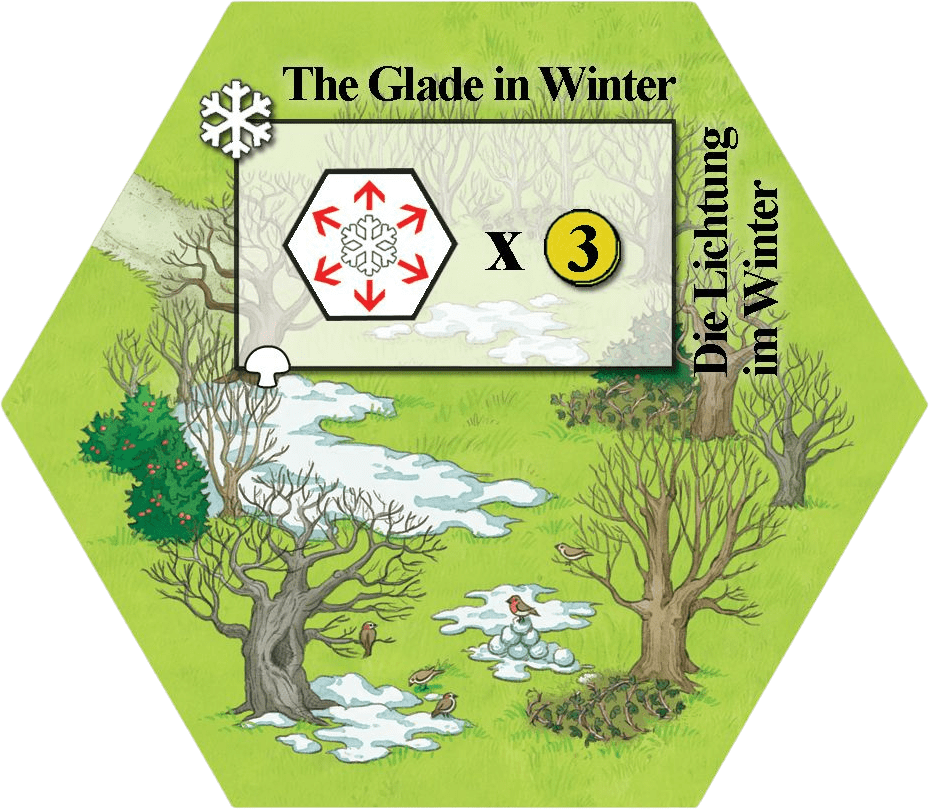 Keyflower: The Glade in Winter
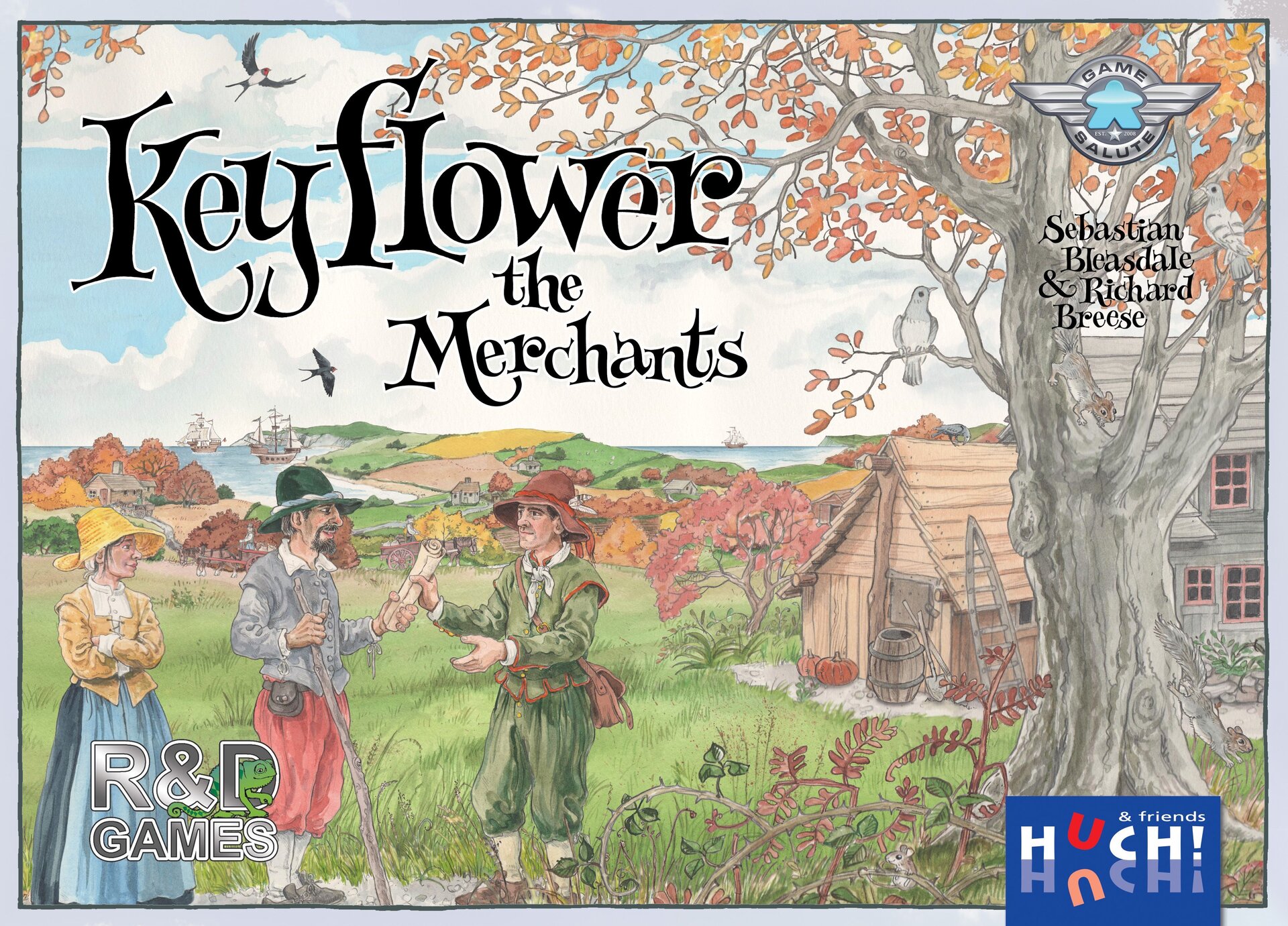 Keyflower: The Merchants
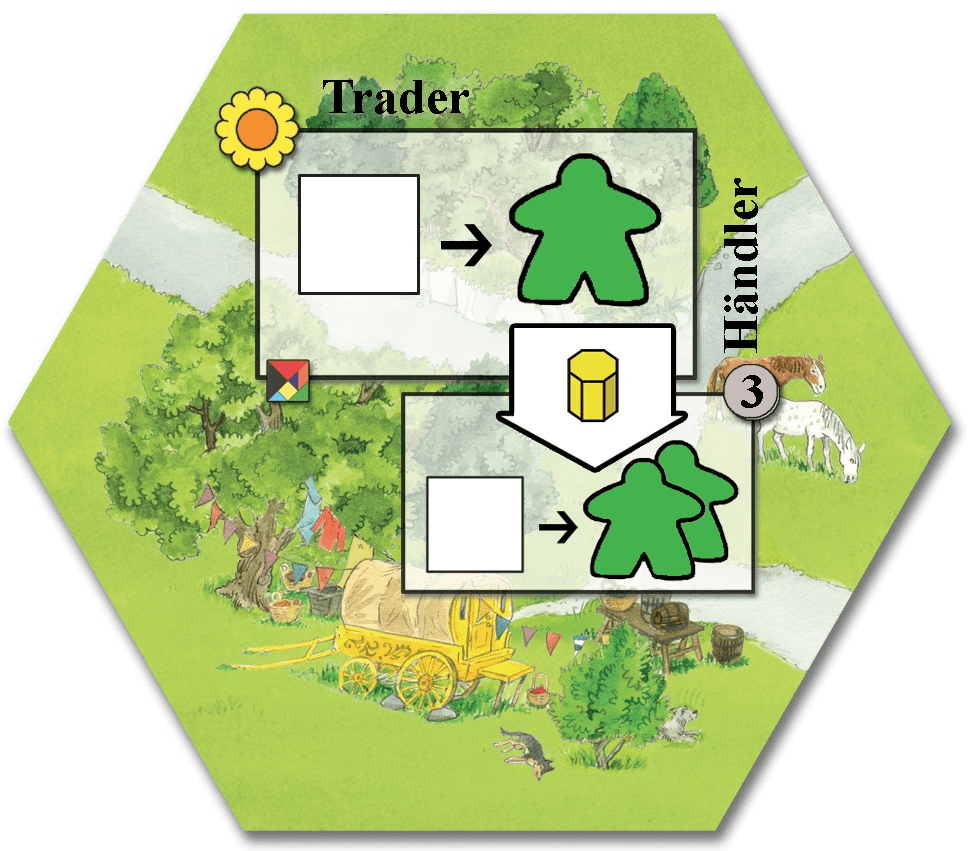 Keyflower: Trader
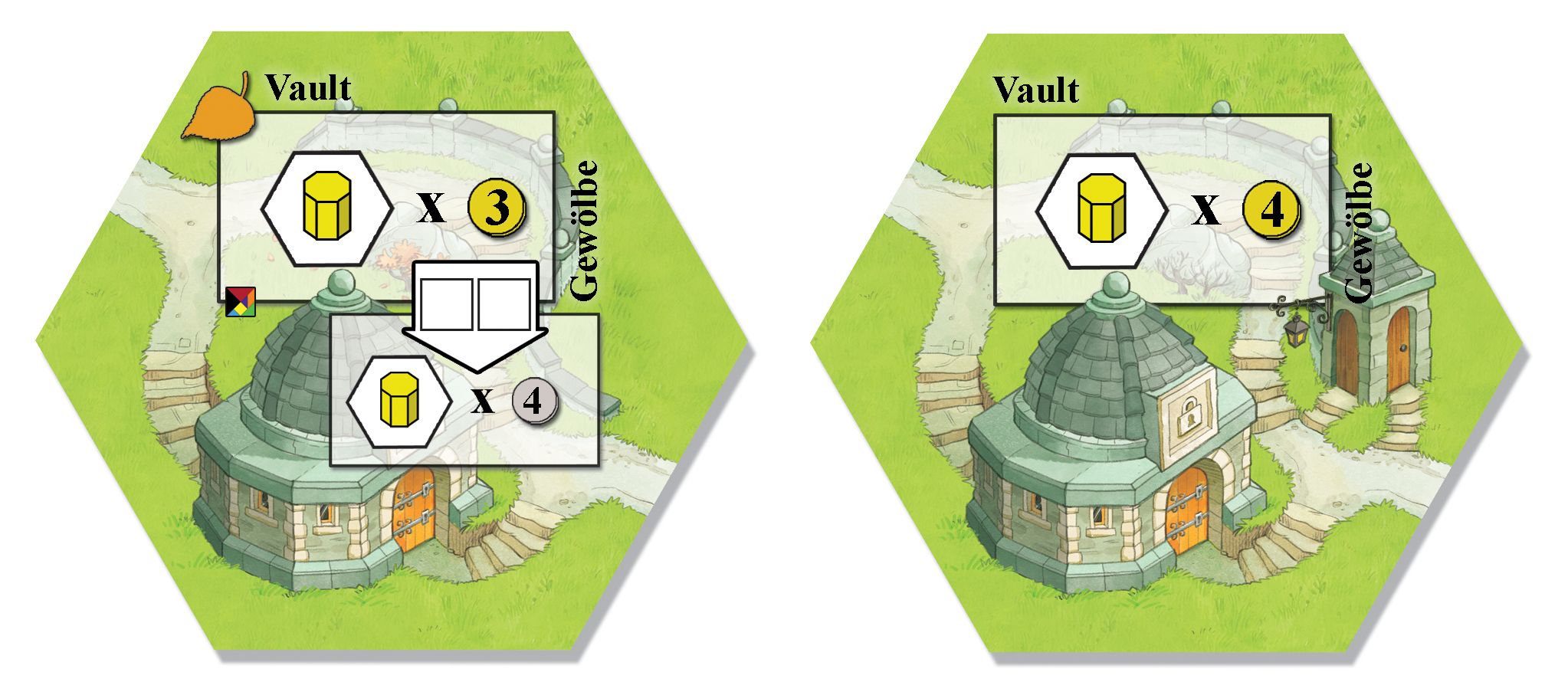 Keyflower: Vault
Other Games You'll Like
Based on mechanics and theme