Keyflower
R&D Games, Arclight Games, Czacha Games · Board game · 2012What do you want to do now
Ask anything about Keyflower: rules, setup, components, complexity, price, or whether it fits your group.
Keyflower is a delightful village-building game perfect for strategists who enjoy intricate worker placement and bidding mechanics. Its seasonal progression and resource management offer a deeply satisfying experience.
- Engaging worker placement and bidding system
- Strategic depth with evolving village tiles
- Resource management adds layer of planning
- Interactive play using opponents' tiles
- Satisfying progression across four seasons
- Initial learning curve for new players
- Can feel competitive with bidding wars
- Requires careful long-term planning
About the game
What you do in a play session
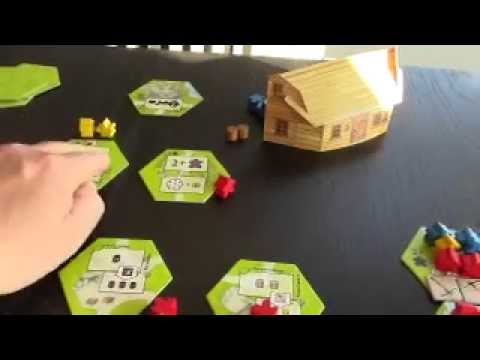
As the seasons progress, new workers arrive aboard the Keyflower and other boats, some possessing special skills in essential resources like iron, stone, and wood. Village tiles are randomly auctioned in spring, summer, and autumn, adding a layer of unpredictability and strategy. In winter, the dynamic shifts: no new workers arrive, and players select village tiles for auction from those they received at the start of the game. These winter tiles are crucial, as they offer victory points for specific combinations of resources, skills, and workers. The player whose village and workers generate the most victory points at the end of winter emerges victorious. Keyflower presents a constant challenge, with each game unfolding uniquely thanks to the variety of village tiles that appear. Stay alert for opportunities to optimize your various resources, transport and upgrade capabilities, skills, and, of course, your valuable workers. It's the seventh game in the acclaimed 'Key' series from R&D Games, designed by Richard Breese and Sebastian Bleasdale.
Expansions
Published additional content
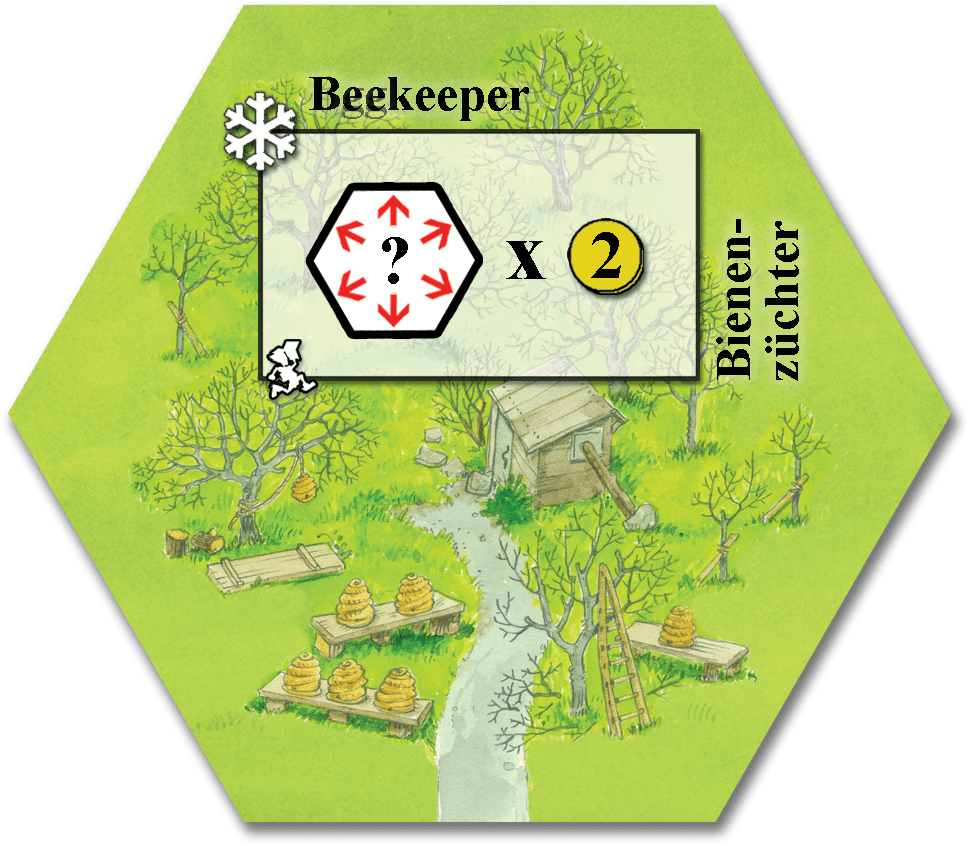 Keyflower: Beekeeper
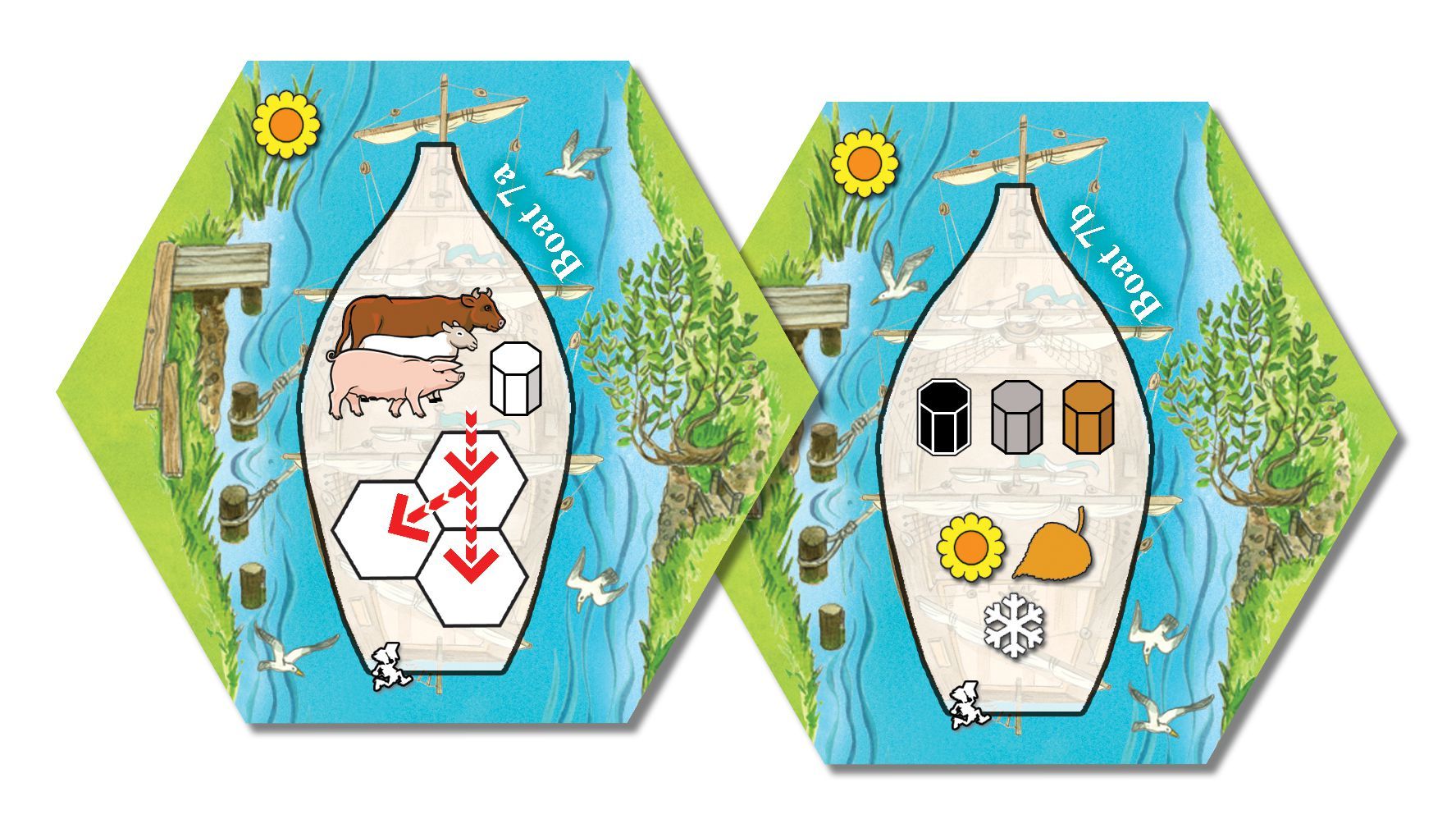 Keyflower: Boat 7
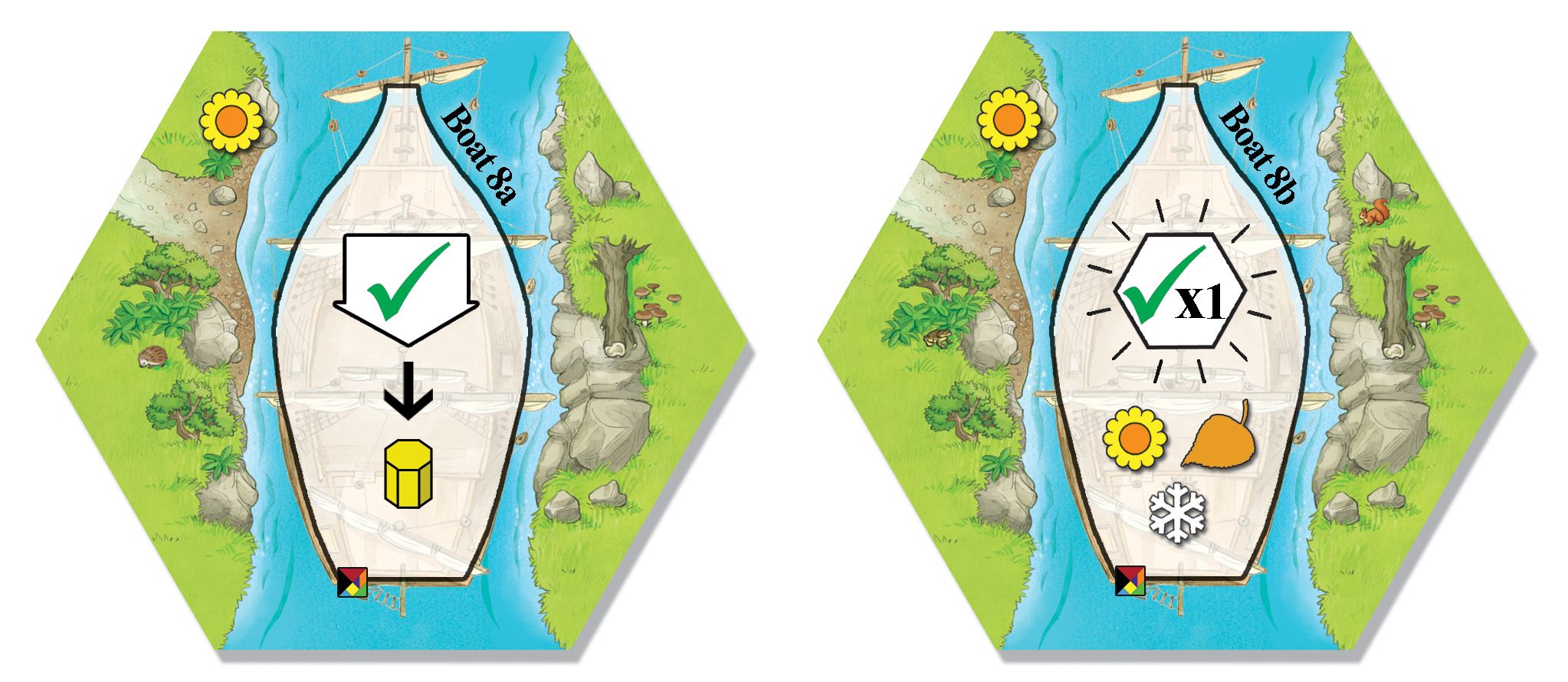 Keyflower: Boat 8
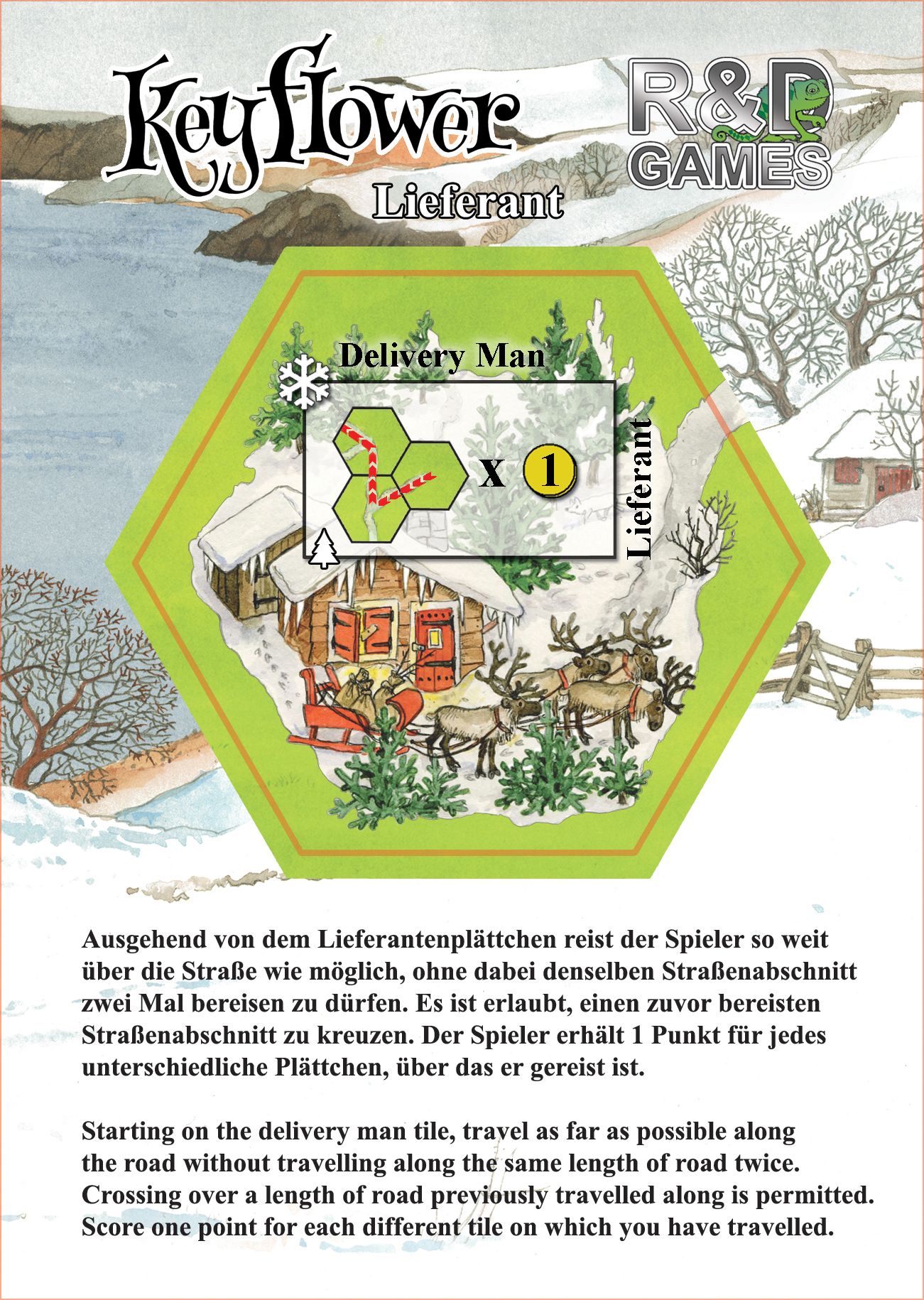 Keyflower: Delivery Man
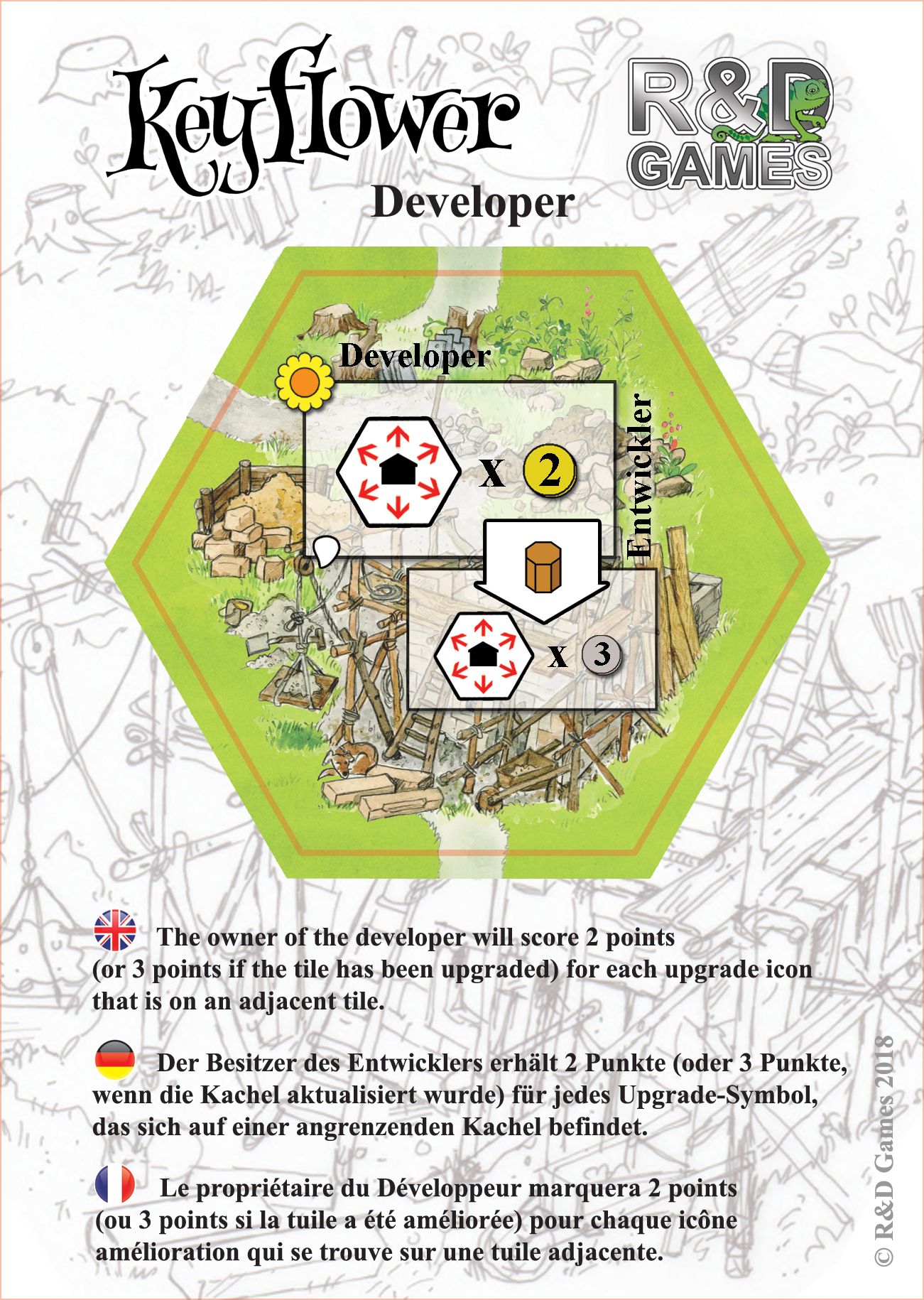 Keyflower: Developer
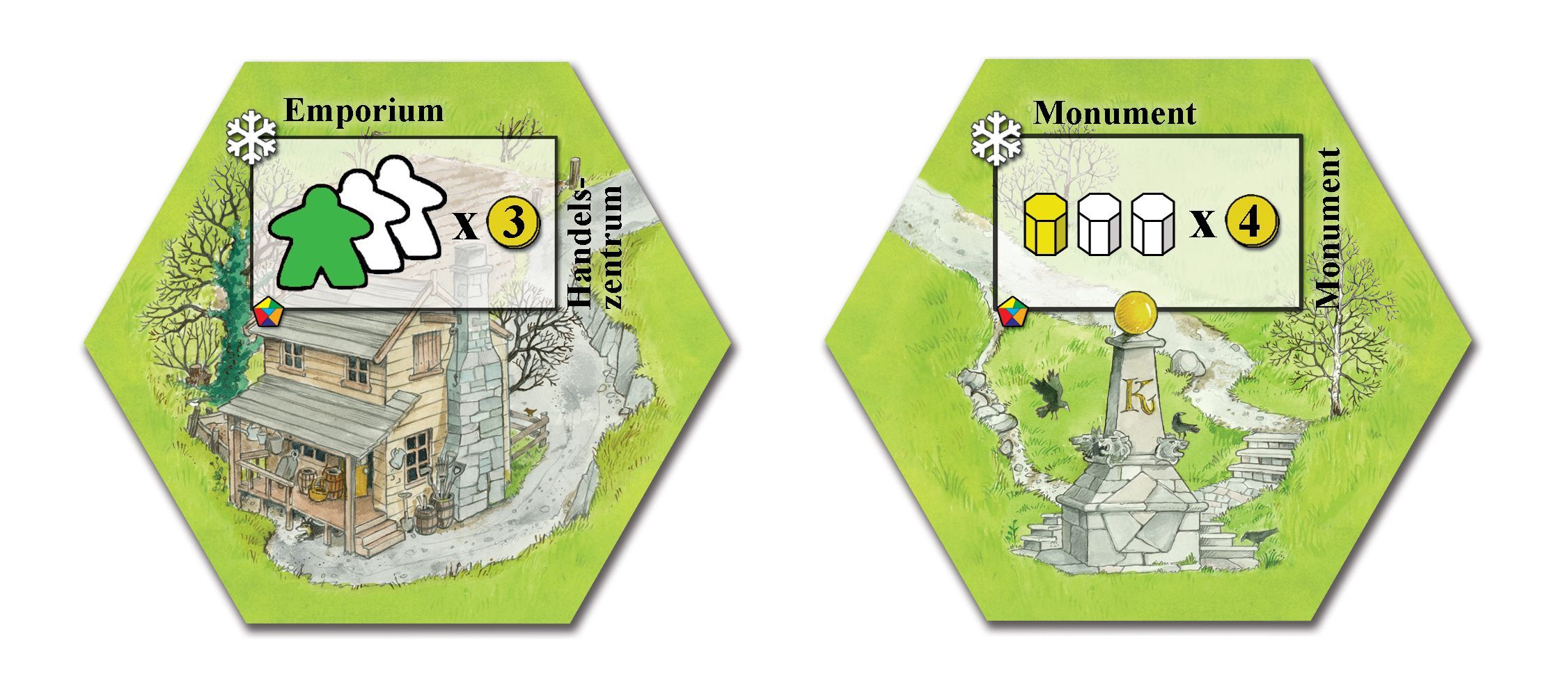 Keyflower: Emporium & Monument
 Keyflower: Key Celeste
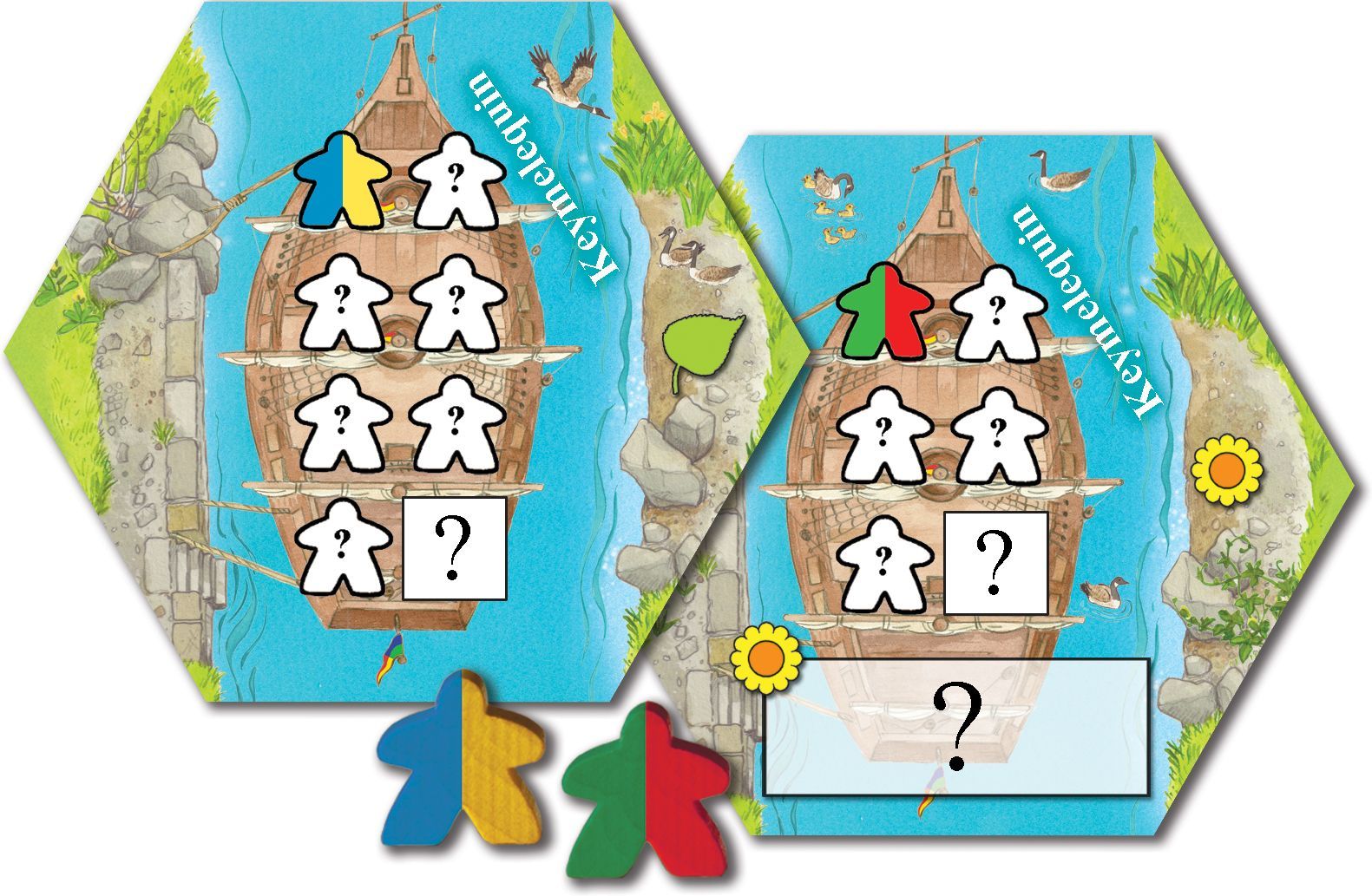 Keyflower: Keymelequin
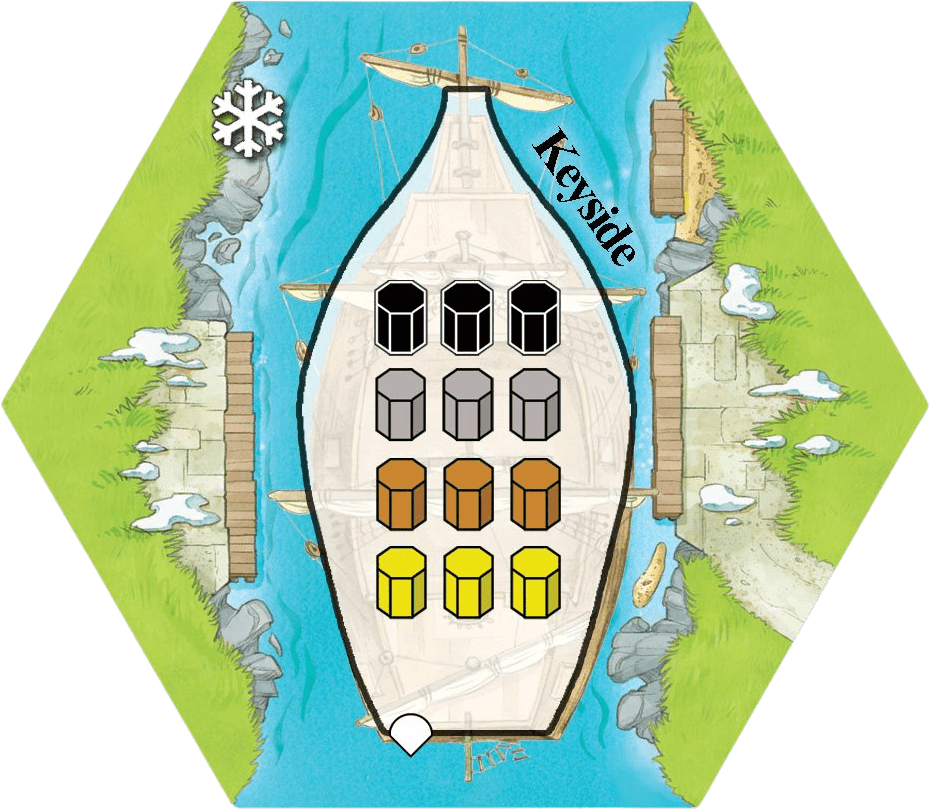 Keyflower: Keyside
 Keyflower: Sorcerer
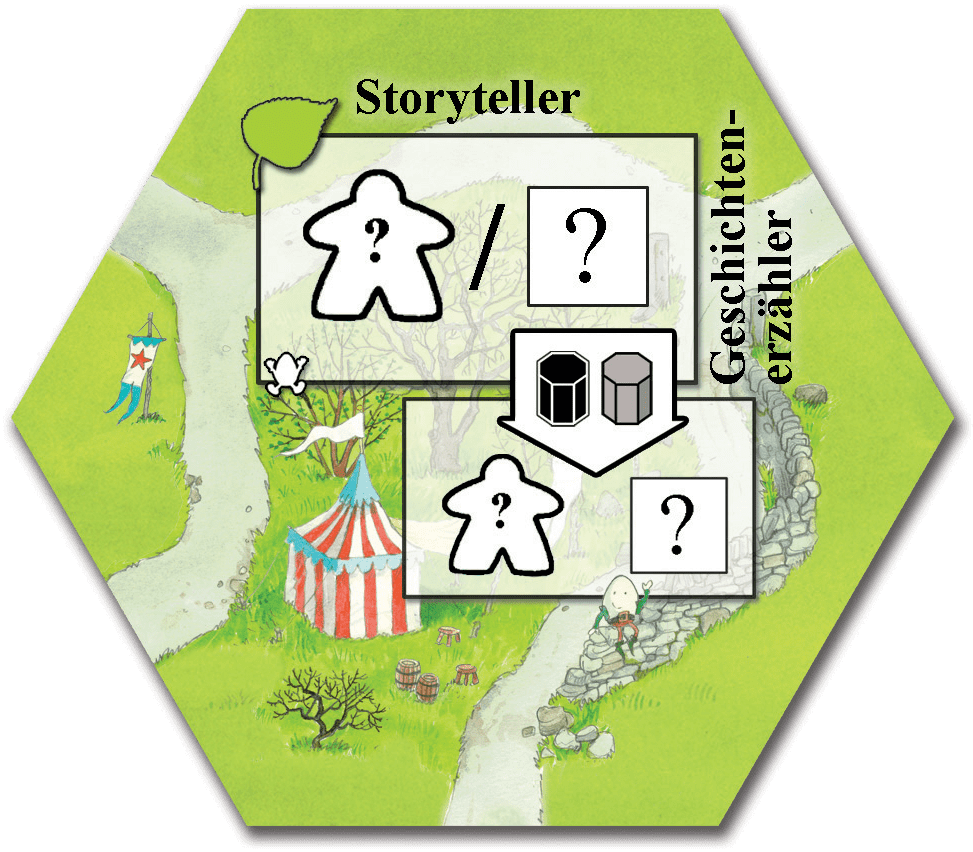 Keyflower: Storyteller
 Keyflower: Talton Lodge
 Keyflower: The Farmers
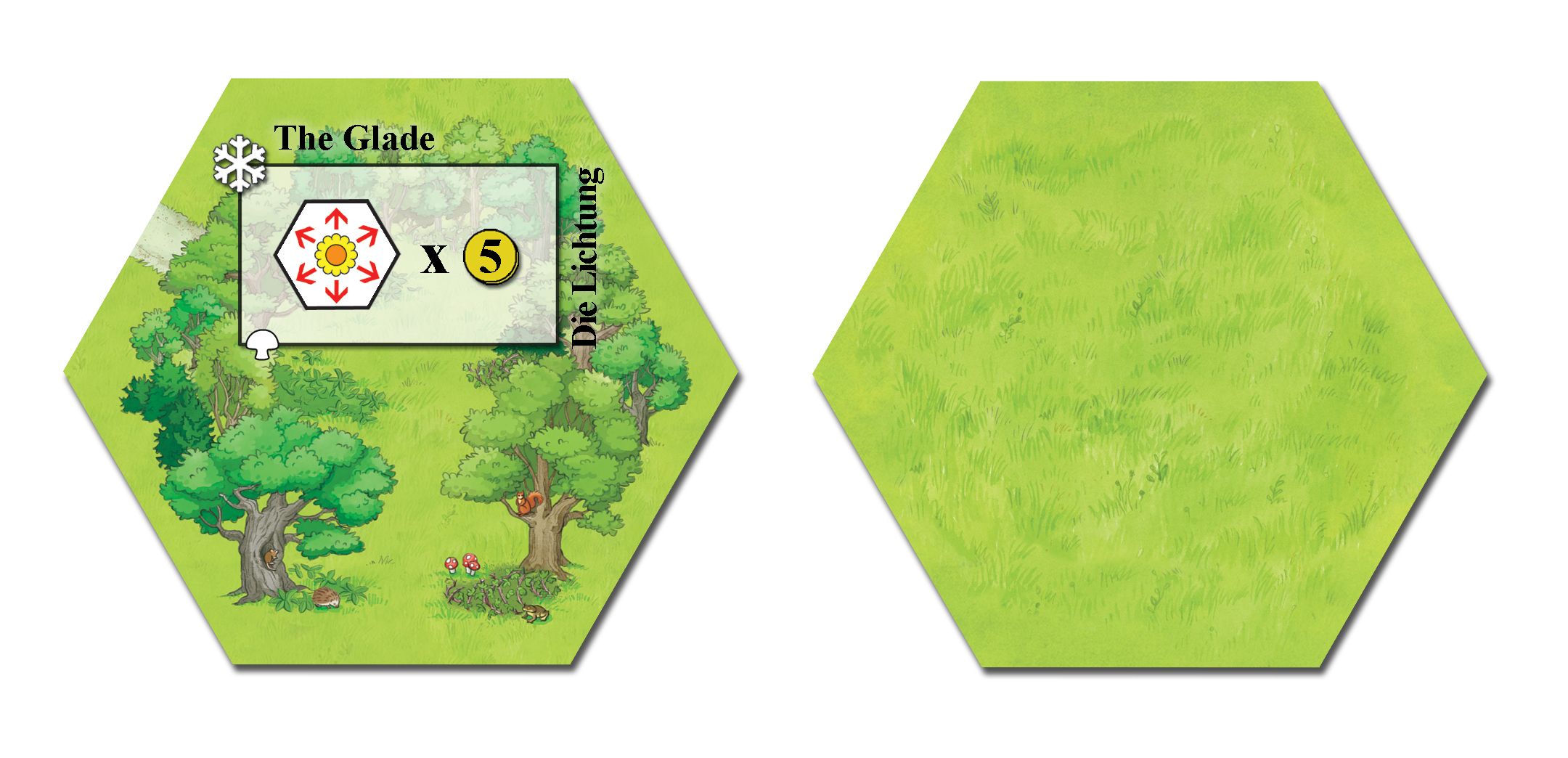 Keyflower: The Glade
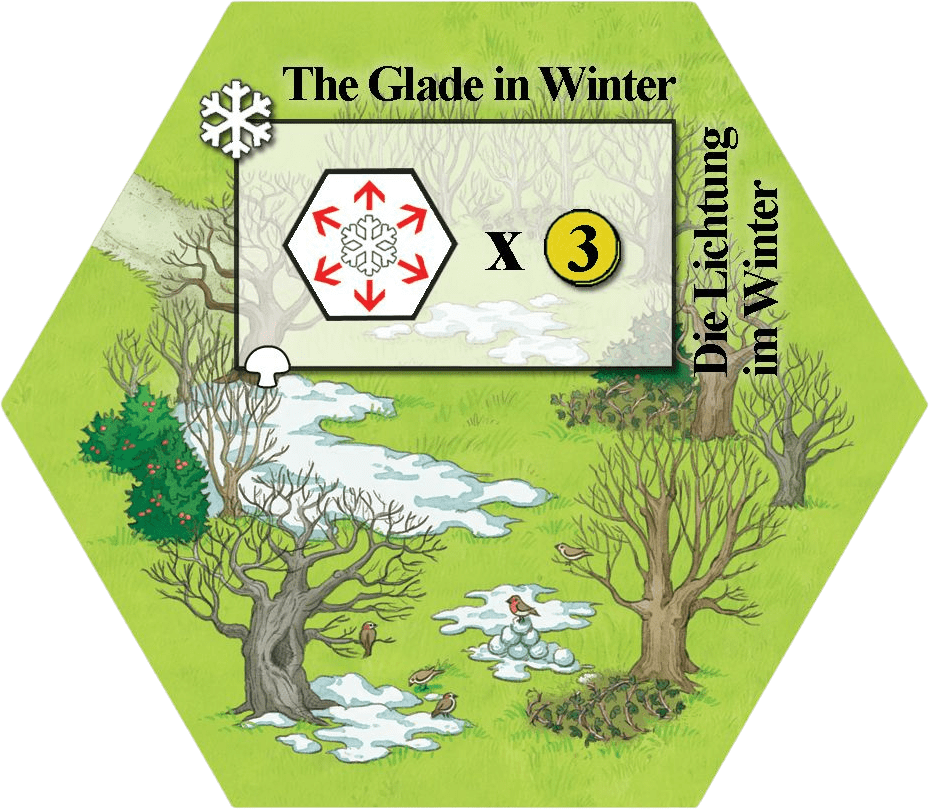 Keyflower: The Glade in Winter
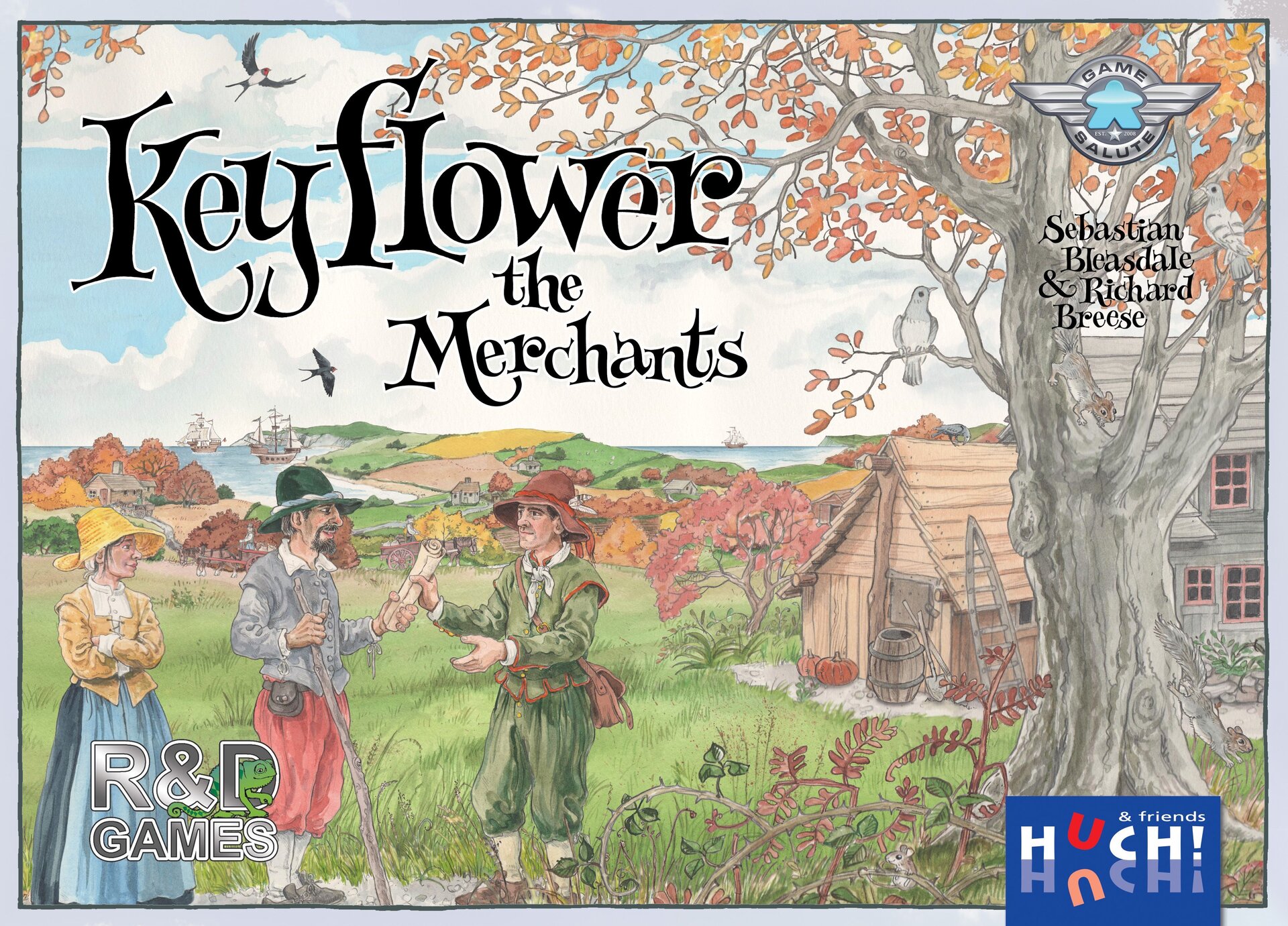 Keyflower: The Merchants
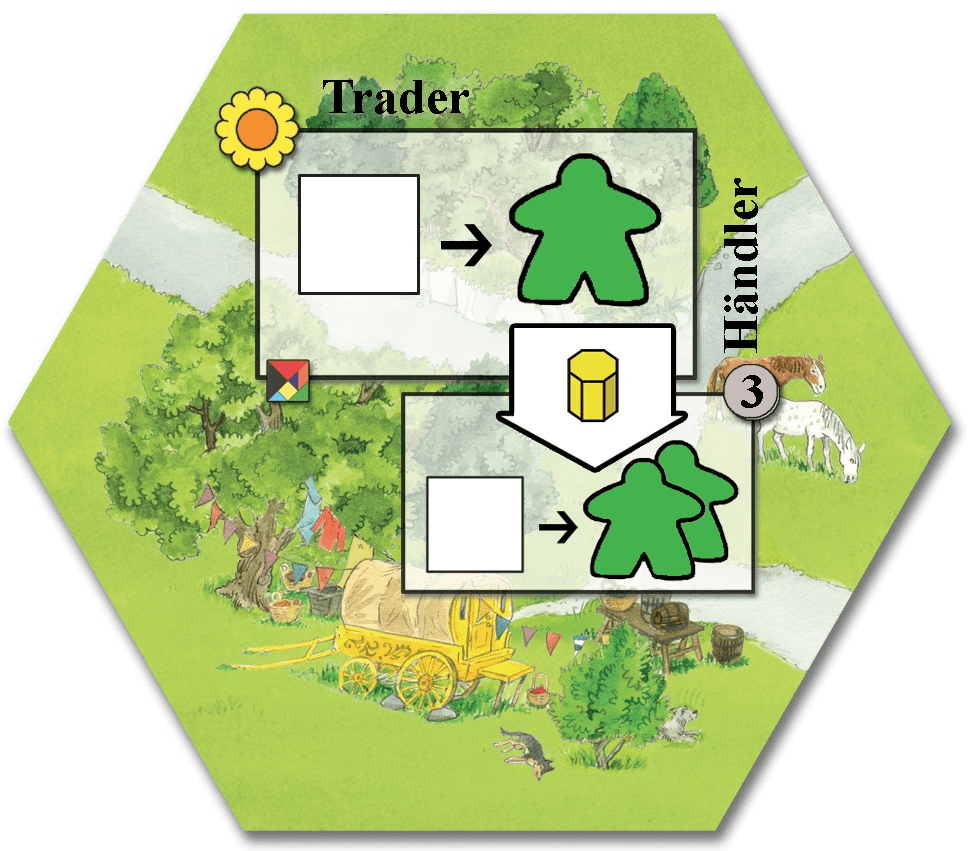 Keyflower: Trader
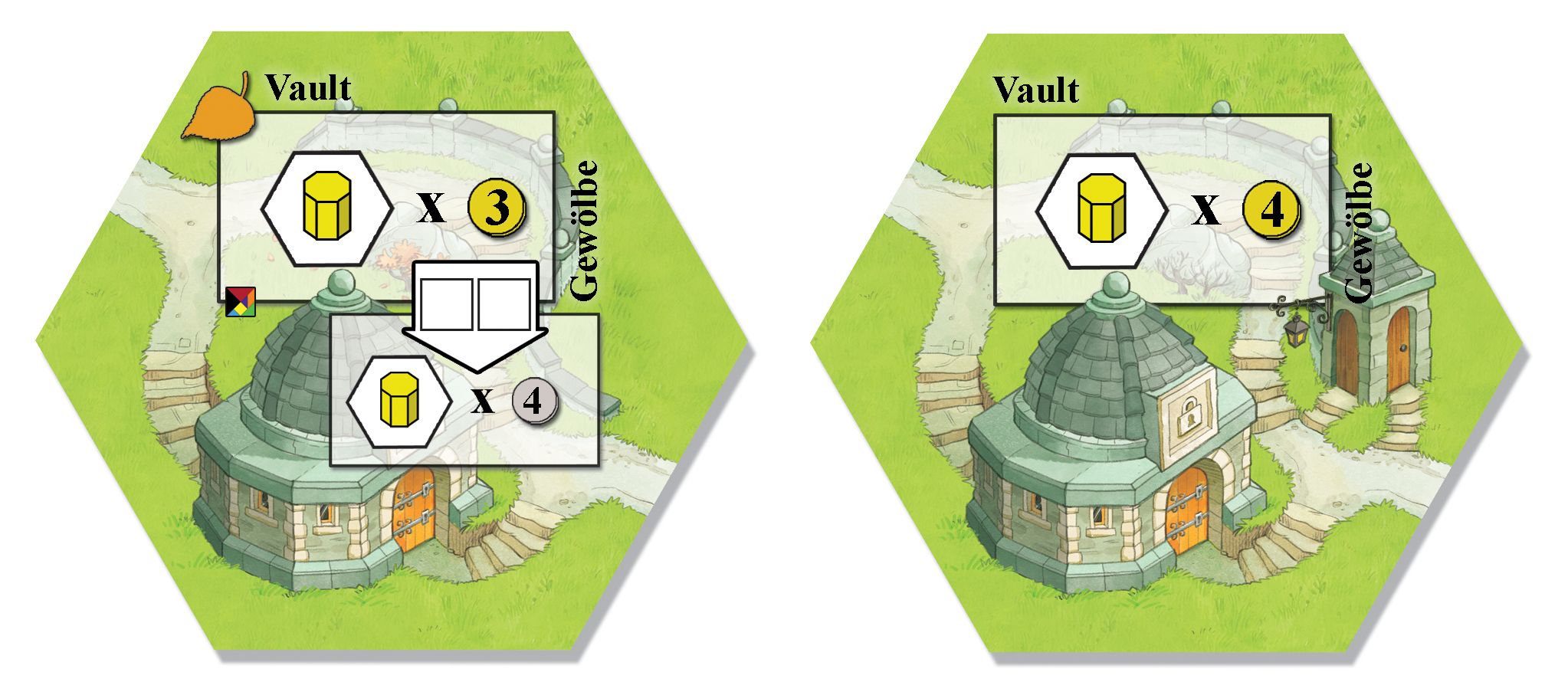 Keyflower: Vault
Gallery
Box and component photos
Tap any photo to open fullscreen. Photos submitted by the community or publisher.
Rules videos
Learn by watching before you open the box


Rules manual
Official PDF file
Best player count
BGG community vote
Soundtrack
Ambience suggested by Melodice
Where to Buy
Prices monitored daily
Price history — last 6 months (lowest new offer)
As an Amazon Associate I earn from qualifying purchases. Prices and availability subject to change.
Alert enabled!
Join the BoardGamesBot deals group
Get the best board game deals every day — without message spam.
Join the WhatsApp groupGame details
Mechanics, categories, families and credits
Mechanics
Categories
Families
Community
Data from BoardGameGeek
Frequently Asked Questions
Quick answers before you buy
How many players can play Keyflower?
What is the average playtime for Keyflower?
What is the complexity level of Keyflower?
Is Keyflower language dependent?
Who is Keyflower recommended for?
What are the main objectives in the game?
How do the colored workers function?
Other Games You'll Like
Based on mechanics and theme