—
rating
Ludopedia
4.5
rating
BGG
Our Verdict
RECOMMENDED
If you love bluffing while stashing relics, this game will hook you from the first round.
Highlights
- Intense bluffing
- Secret placement
- Renaissance theme
Keep in mind
- Simple components
- Negotiation dependent
Rules manual not indexed yet
Upload the PDF rulebook to ask questions about this game with AI.
About the game
What you do in a play session
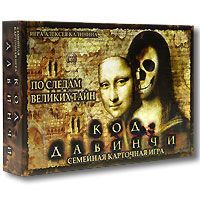
Kod DaVinci, po sledam velikih tayn is a card game with a board that drops you into a secret order of Renaissance monks. The game starts with a deck packed with Relics, Traps, Breaking, Unexpectedness, Professional and Score Points cards, plus a field representing the monks' hierarchy. Your goal? Hide other players' relics in secret spots, open opponents' hideouts, and set traps to foil anyone trying to infiltrate yours.
The Secret Unit Deployment mechanic lets you place relics and traps out of sight, creating opportunities for bluffing and deduction. Meanwhile, Trading lets you barter cards or information, forging temporary alliances or pulling off sudden betrayals. Each round mixes silent strategy with quick action, as opening a hideout can earn points or trigger a surprise trap.
Designed for 2‑6 players, a typical game runs about 30 minutes, perfect for fans of deduction, bluffing and Renaissance themes. The components are straightforward – cards and a board – but the depth comes from hidden decisions and player negotiations. If you love the scent of old parchment, covert moves and trying to read your opponents' minds, Kod DaVinci serves it all in a compact, twist‑filled package.
The Secret Unit Deployment mechanic lets you place relics and traps out of sight, creating opportunities for bluffing and deduction. Meanwhile, Trading lets you barter cards or information, forging temporary alliances or pulling off sudden betrayals. Each round mixes silent strategy with quick action, as opening a hideout can earn points or trigger a surprise trap.
Designed for 2‑6 players, a typical game runs about 30 minutes, perfect for fans of deduction, bluffing and Renaissance themes. The components are straightforward – cards and a board – but the depth comes from hidden decisions and player negotiations. If you love the scent of old parchment, covert moves and trying to read your opponents' minds, Kod DaVinci serves it all in a compact, twist‑filled package.
Gallery
Box and component photos
Tap any photo to open fullscreen. Photos submitted by the community or publisher.
Best player count
BGG community vote
2
OK
3
REC
4
BEST
5
REC
6
REC
Soundtrack
Ambience suggested by Melodice
Loading playlist...
Where to Buy
Prices monitored daily
Finding best prices...
Prices unavailable at this time.
Price history — last 6 months (lowest new offer)
As an Amazon Associate I earn from qualifying purchases. Prices and availability subject to change.
Alert enabled!
Join the BoardGamesBot deals group
Get the best board game deals every day — without message spam.
Join the WhatsApp groupGame details
Mechanics, categories, families and credits
Mechanics
Categories
Publisher
Astrel Games
Designer
Aleksei Kalinin
Community
Data from BoardGameGeek
16owners
Frequently Asked Questions
Quick answers before you buy
How many players can join?
2 to 6 players.
What is the typical play time?
About 30 minutes per game.
How complex is the game?
Medium – easy to learn rules but deep strategic choices.
What are the main components?
Relic, Trap, Breaking, Unexpectedness, Professional, Score Points cards and a hierarchy board.
Who is this game for?
Fans of bluffing, deduction and Renaissance‑themed settings.
Other Games You'll Like
Based on mechanics and theme