Mix Match
Productief BV, TWOPLUS Games, Yaofish Games · Board game · 2010
2–6
15 min
Weight 1.0/5
Buy
7.3
rating
Ludopedia
5.9
rating
BGG
Our Verdict
RECOMMENDED
Fast-paced math fun for anyone who loves quick challenges!
Highlights
- Real-time numeric combos
- Algebra learning made fun
- Short, addictive gameplay
Keep in mind
- Short time demands focus
- Requires quick thinking
Rules manual not indexed yet
Upload the PDF rulebook to ask questions about this game with AI.
About the game
What you do in a play session
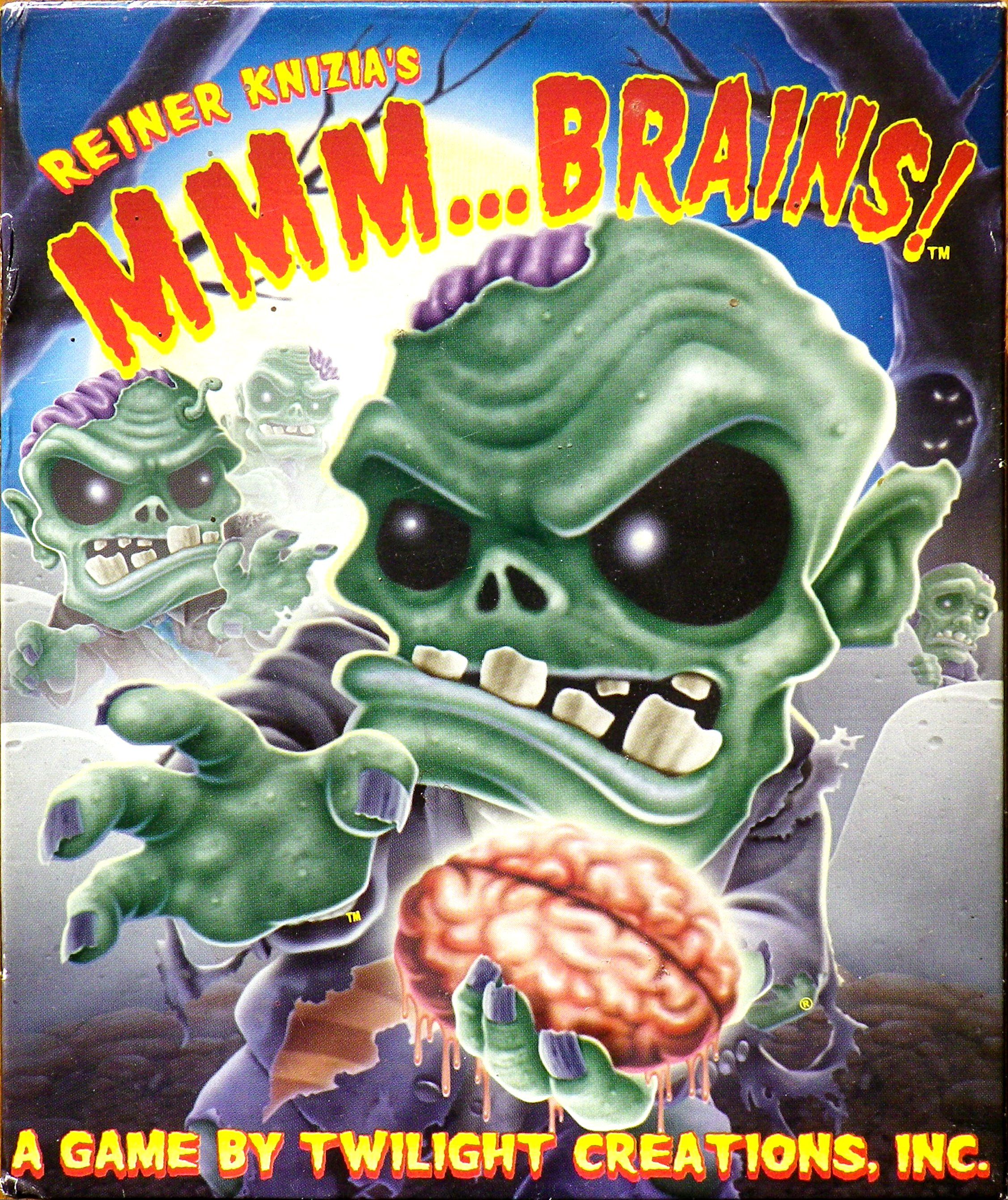
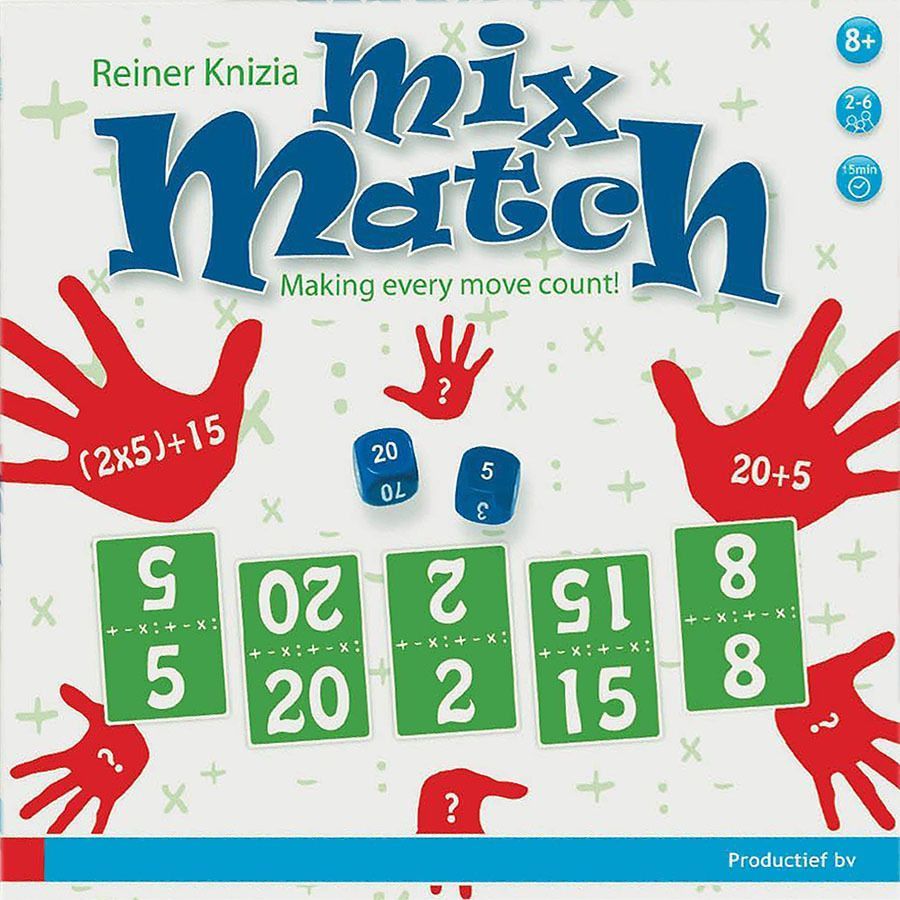
Mix Match, also known as Pitágoras, turns algebra practice into a thrilling numeric sprint. In each round, five numbered cards are laid out and two blue dice are rolled. The challenge? Use addition, subtraction, multiplication, or division to combine the card numbers and hit exactly the value shown by the dice. If you succeed, you grab those cards as points. When the hourglass runs out, a new card joins the nominees, raising the stakes. The game is played in real time, so you must think fast and act even faster, as other players are also racing to finish before time expires. Mix Match offers a quick 15‑minute session, perfect for 2 to 6 players, and can be tweaked for various difficulty levels – just swap out the card numbers or dice values. Educational yet exciting, it’s ideal for kids starting out with numbers and adults who enjoy a light, competitive mental challenge. The set includes 56 cards, three six‑sided dice (two blue with values 0–8 and 20–70, and a black with 30–110), and a 15‑second hourglass. In short, Mix Match blends speed, strategy, and learning into a fun, accessible experience for all ages.
Gallery
Box and component photos
Tap any photo to open fullscreen. Photos submitted by the community or publisher.
Best player count
BGG community vote
2
REC
3
REC
4
REC
5
REC
6
REC
Soundtrack
Ambience suggested by Melodice
Loading playlist...
Where to Buy
Prices monitored daily
Finding best prices...
Prices unavailable at this time.
Price history — last 6 months (lowest new offer)
As an Amazon Associate I earn from qualifying purchases. Prices and availability subject to change.
Alert enabled!
Join the BoardGamesBot deals group
Get the best board game deals every day — without message spam.
Join the WhatsApp groupGame details
Mechanics, categories, families and credits
Mechanics
Categories
Publisher
Productief BV, TWOPLUS Games, Yaofish Games
Designer
Reiner Knizia
Community
Data from BoardGameGeek
40owners
3wishlist
Frequently Asked Questions
Quick answers before you buy
How many players can play?
Between 2 and 6 players, making it great for small or larger groups.
What is the average game time?
Each game lasts about 15 minutes, perfect for quick sessions.
What are the components?
56 numbered cards, 3 six‑sided dice (two blue and one black) and a 15‑second hourglass.
How does dice rolling work?
The two blue dice are rolled; the result sets the target that players must reach by combining the cards.
What is the difficulty level?
It can be adjusted by removing numbers or using dice with lower values for easier play, or keeping everything for a tougher challenge.
Who is the game for?
Ideal for kids learning algebra, but also for adults who enjoy a light mental challenge.
How can it be adapted for children?
Use only cards with smaller numbers and dice with lower values, or shorten each round’s time.
Other Games You'll Like
Based on mechanics and theme