Ohanami
Nürnberger-Spielkarten-Verlag, Arclight Games, FunMill.ru · Board game · 2019
2–4 · best 3
20 min
Weight 1.2/5
Buy · from US$ 10.56
8.0
rating
Ludopedia
7.3
rating
BGG
Our Verdict
RECOMMENDED
If you love fast, tactical card games, Ohanabi will hook you from the first round.
Highlights
- smooth closed drafting
- simple ordering mechanic
- short playtime
Keep in mind
- three‑row limit can feel tight
- high decision pressure
Rules manual not indexed yet
Upload the PDF rulebook to ask questions about this game with AI.
About the game
What you do in a play session
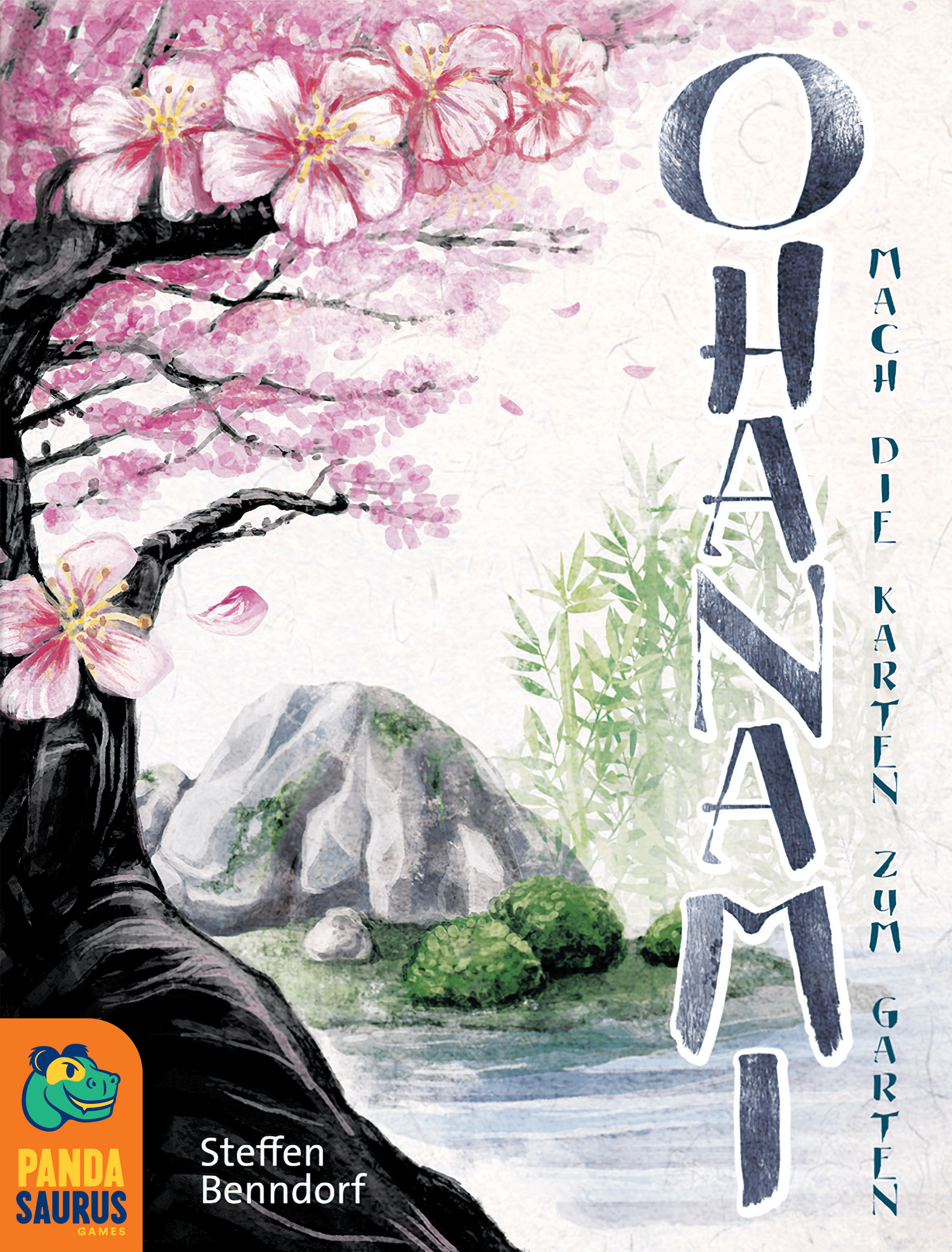
Ohanabi consists of a 120‑card deck numbered 1‑120, each bearing one of four colored symbols. The game unfolds over three short rounds, built around closed drafting, ordering, and set collection. At the start of each round, every player draws ten cards, selects two to keep and passes the rest to a neighbor (left on rounds 1 and 3, right on round 2). All players reveal simultaneously and decide to place 0, 1, or 2 cards into up to three personal rows. The first card of a row can be any number; subsequent cards must be higher than the row's highest card or lower than its lowest, creating increasing or decreasing sequences. Unused cards are discarded. Once each player has played ten cards, the round ends and scoring kicks in. In round 1, each blue card is worth 3 points. In round 2, blue remains 3 points while green is worth 4. In round 3, blue and green keep their values, gray cards award 7 points each, and pink cherry‑blossom cards follow a pyramidal scale: 1 = 1 point, 2 = 3, 3 = 6, etc. After the third round, totals are summed and the highest score wins. The game is quick (about 20 minutes), light (1.2/5 weight), and perfect for players who enjoy fast tactical choices, symbol collection, and numeric sequencing without heavy rules. Minimalist art and a Japanese‑gardening theme add charm, but the mechanics—deciding which cards to keep, how to arrange them, and when to discard—are the real hook. A solid pick for 2‑4 players seeking an elegant, strategic card game that doesn’t drag on.
Gallery
Box and component photos
Tap any photo to open fullscreen. Photos submitted by the community or publisher.
Rules videos
Learn by watching before you open the box



Best player count
BGG community vote
2
REC
3
BEST
4
BEST
Soundtrack
Ambience suggested by Melodice
Loading playlist...
Where to Buy
Prices monitored daily
Finding best prices...
Prices unavailable at this time.
Price history — last 6 months (lowest new offer)
As an Amazon Associate I earn from qualifying purchases. Prices and availability subject to change.
Alert enabled!
Join the BoardGamesBot deals group
Get the best board game deals every day — without message spam.
Join the WhatsApp groupGame details
Mechanics, categories, families and credits
Mechanics
Categories
Families
Publisher
Nürnberger-Spielkarten-Verlag, Arclight Games, FunMill.ru, Kaissa Chess & Games, Mercurio, Mnogoknig Games, Oya, Pandasaurus Games, Popcorn Games, Pravi Junak, White Goblin Games, Нескучные игры
Designer
Steffen Benndorf
Artist
Christian Opperer
Community
Data from BoardGameGeek
9,528owners
1,393wishlist
161want to play
Frequently Asked Questions
Quick answers before you buy
How many players can play?
2 to 4 players.
How long does a game last?
About 20 minutes.
What is the game's complexity?
Low; quick to learn but offers strategic depth.
What components are included?
A 120‑card deck with numbers and a concise rulebook.
Who is the game best suited for?
Fans of light card games, set collection, and numeric sequencing.
Do I need to know Japanese to play?
No, the rules and symbols are explained in multiple languages, including English and Portuguese.
Can I play with more than four people?
Officially no; the game is designed for up to four participants.
Other Games You'll Like
Based on mechanics and theme