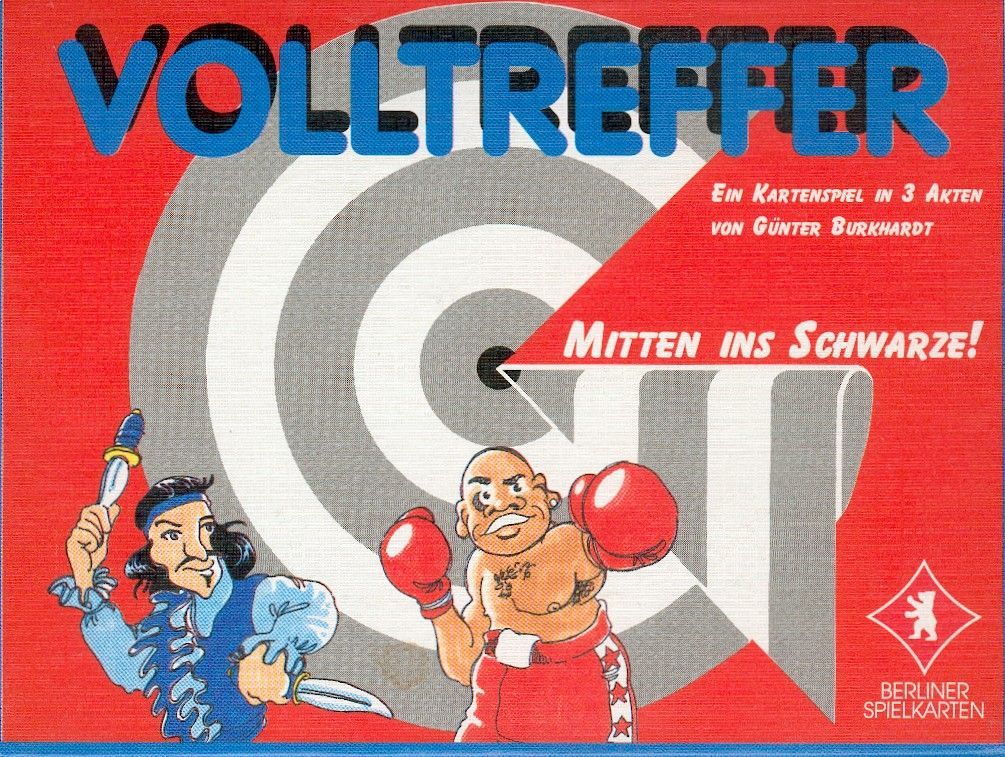
Plotters, Inc.
Berliner Spielkarten, BoardM Factory, Playte · Board game · 1999
4–6 · best 4
60 min
Weight 1.8/5
Buy
7.6
rating
Ludopedia
6.8
rating
BGG
Our Verdict
FOR GENRE FANS
Perfect for those who love classic card games but want a different mathematical and strategic challenge.
Highlights
- Unique and intriguing scoring mechanic
- Constant tension with the fourth color
- Interesting balance between winning and losing
Keep in mind
- Final calculation might be tedious for some
- Slight initial learning curve
Rules manual not indexed yet
Upload the PDF rulebook to ask questions about this game with AI.
About the game
What you do in a play session
Ever played a classic trick-taking game but wished it had a twist of mathematics and mischief? Plotters, Inc. (originally released as Mit List und Tücke) is exactly that: a trick-taking experience that breaks the mold. Instead of just winning as many tricks as possible, the goal is to carefully manage which colors you collect to maximize your final score, requiring much more strategic foresight than your average card game.
The game starts with each player receiving 14 cards. The lead player sets the trump suit, but there's a catch: once three different colors have been played in a trick, the fourth color becomes forbidden. The winner of the trick (the highest trump) collects the majority of the cards. Meanwhile, the player who played the lowest non-trump card takes the remaining cards and earns the right to lead the next trick.
The truly unique part is the scoring system. Once you've collected cards of all four colors, you must choose two colors to keep face-up (your scoring colors) and place all others face-down (your divisors). At the end, you multiply the totals of your two face-up colors and divide that product by the number of face-down cards. Yes, you read that right: collecting too many cards of the wrong colors can tank your score! If you only collect one color, you score zero points.
The round ends after 14 tricks or immediately if a player is forced to play the forbidden fourth color. The game lasts for as many rounds as there are players, and the overall winner is the one who best balances arithmetic and betrayal. It's a game of risk where winning the trick isn't always the best move, as you might end up picking up cards that ruin your final calculation.
The game starts with each player receiving 14 cards. The lead player sets the trump suit, but there's a catch: once three different colors have been played in a trick, the fourth color becomes forbidden. The winner of the trick (the highest trump) collects the majority of the cards. Meanwhile, the player who played the lowest non-trump card takes the remaining cards and earns the right to lead the next trick.
The truly unique part is the scoring system. Once you've collected cards of all four colors, you must choose two colors to keep face-up (your scoring colors) and place all others face-down (your divisors). At the end, you multiply the totals of your two face-up colors and divide that product by the number of face-down cards. Yes, you read that right: collecting too many cards of the wrong colors can tank your score! If you only collect one color, you score zero points.
The round ends after 14 tricks or immediately if a player is forced to play the forbidden fourth color. The game lasts for as many rounds as there are players, and the overall winner is the one who best balances arithmetic and betrayal. It's a game of risk where winning the trick isn't always the best move, as you might end up picking up cards that ruin your final calculation.
Gallery
Box and component photos
Tap any photo to open fullscreen. Photos submitted by the community or publisher.
Best player count
BGG community vote
4
BEST
5
BEST
6
REC
Soundtrack
Ambience suggested by Melodice
Loading playlist...
Where to Buy
Prices monitored daily
Finding best prices...
Prices unavailable at this time.
Price history — last 6 months (lowest new offer)
As an Amazon Associate I earn from qualifying purchases. Prices and availability subject to change.
Alert enabled!
Join the BoardGamesBot deals group
Get the best board game deals every day — without message spam.
Join the WhatsApp groupGame details
Mechanics, categories, families and credits
Mechanics
Categories
Publisher
Berliner Spielkarten, BoardM Factory, Playte, 数寄ゲームズ (Suki Games)
Designer
Klaus Palesch
Artist
Hailey Ha Jung, Makiko Kodama, 別府さい (Sai Beppu)
Community
Data from BoardGameGeek
749owners
132wishlist
37want to play
Frequently Asked Questions
Quick answers before you buy
Is it hard to learn?
The trick-taking rules are simple, but the scoring logic (multiplication and division) requires some focus at first.
How many people can play?
The game is designed for groups of 4 to 6 players.
How long does a game take?
About 60 minutes, depending on how fast the group is with the math.
Do I need advanced math skills?
No, just basic multiplication and division of small numbers. A calculator helps if you want to speed things up.
Is the game language dependent?
No, the cards are based on colors and numbers, so there is no language barrier.
Other Games You'll Like
Based on mechanics and theme