What do you want to do now
Ask anything about Thebes: rules, setup, components, complexity, price, or whether it fits your group.
If you enjoy a good archaeological adventure with a dash of time-based strategy, Thebes is a fantastic choice! It's a game that makes you ponder every move.
- Innovative time track mechanic
- Engaging archaeology theme
- Interesting strategic decisions
- Quality components
- Easy to learn
- Excavation can be luck-based
- Playtime may vary
- Indirect interaction
About the game
What you do in a play session
The game unfolds over two (or three) years, and every action you take consumes a specific amount of time. Moving between cities, gaining knowledge, and, of course, digging for artifacts, all have a time cost. The turn order mechanic is the big charm here: there's a 52-space time track around the board, and whoever is furthest 'behind' in time gets to play. This means you can decide to spend a lot of time on a lucrative excavation, but other players will get more turns to act while you wait. It's a strategic balance between being efficient and not letting your rivals pull ahead!
When excavating, you draw tokens from a bag that contains both precious artifacts and 'dirt'. The dirt is returned to the bag, which increases your chances of finding something valuable in subsequent attempts. Furthermore, throughout the game, exhibitions are revealed, and the archaeologist who possesses the required civilization treasures can claim the prizes. Ultimately, the winner will be the one who accumulates the most knowledge, the highest-valued artifacts, and the greatest number of conquered exhibitions. It's a race against time and your fellow archaeologists to see who will become the legend of archaeology!
Gallery
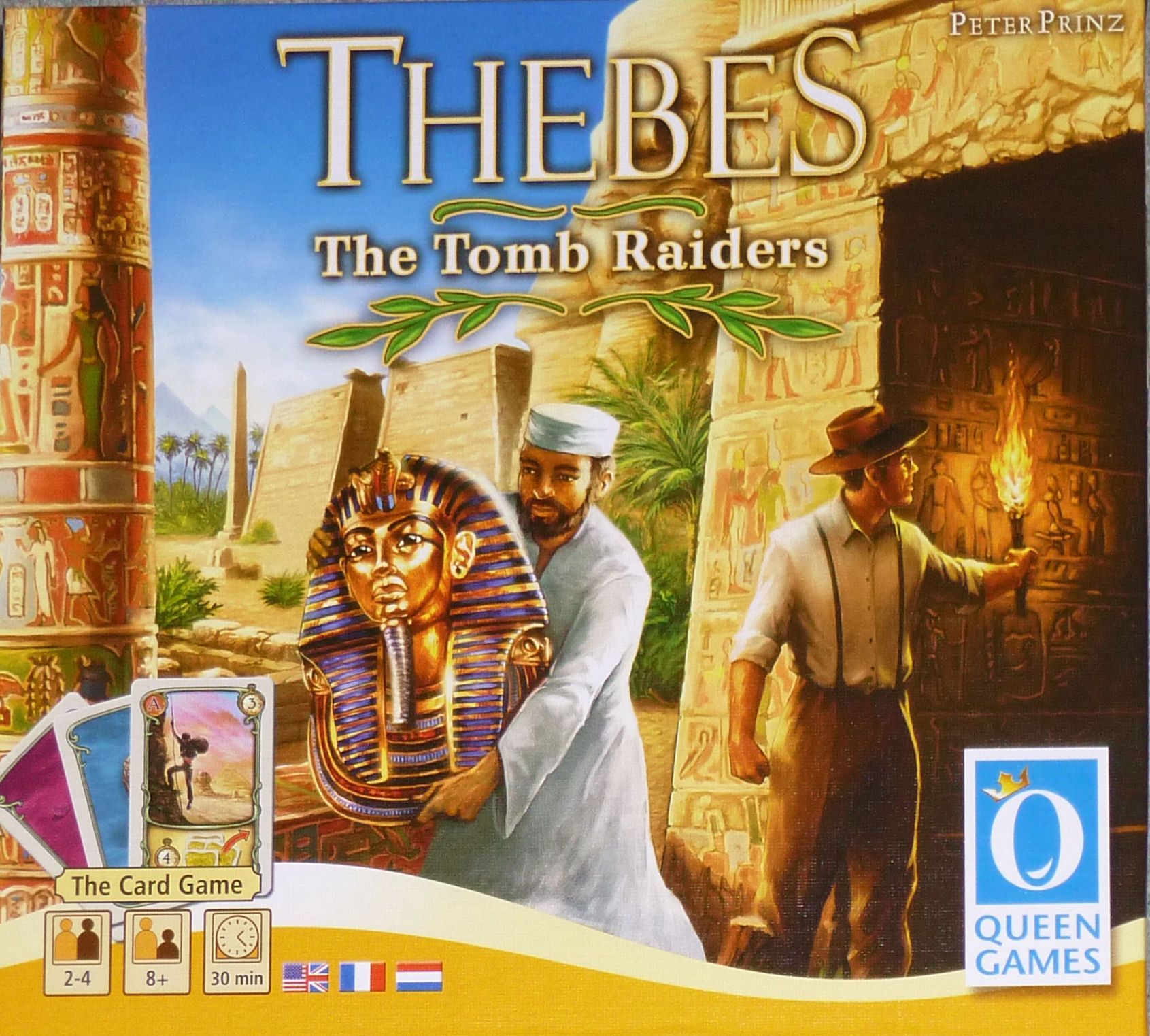
Box and component photos
Tap any photo to open fullscreen. Photos submitted by the community or publisher.
Rules videos
Learn by watching before you open the box


Rules manual
Official PDF file
Best player count
BGG community vote
Soundtrack
Ambience suggested by Melodice
Where to Buy
Prices monitored daily
Price history — last 6 months (lowest new offer)
As an Amazon Associate I earn from qualifying purchases. Prices and availability subject to change.
Alert enabled!
Join the BoardGamesBot deals group
Get the best board game deals every day — without message spam.
Join the WhatsApp groupGame details
Mechanics, categories, families and credits
Mechanics
Categories
Families
Community
Data from BoardGameGeek
Frequently Asked Questions
Quick answers before you buy
How many players does Thebes support, and what is the average playtime?
What is the complexity level of Thebes? Is it a beginner-friendly game?
What are the main components of the game?
Does luck play a significant role in excavations?
Does Thebes have any expansions, or is it a complete game on its own?
Who is Thebes most recommended for?
Is language dependency an issue?
Other Games You'll Like
Based on mechanics and theme