—
rating
Ludopedia
6.5
rating
BGG
Our Verdict
RECOMMENDED
If you love grabbing territory with colorful pyramids on a ever‑changing card board, Zark City will hook you.
Highlights
- Modular, dynamic board
- Light, portable components
- Low learning curve
Keep in mind
- Card luck factor
- Potential repetition over many games
Rules manual not indexed yet
Upload the PDF rulebook to ask questions about this game with AI.
About the game
What you do in a play session
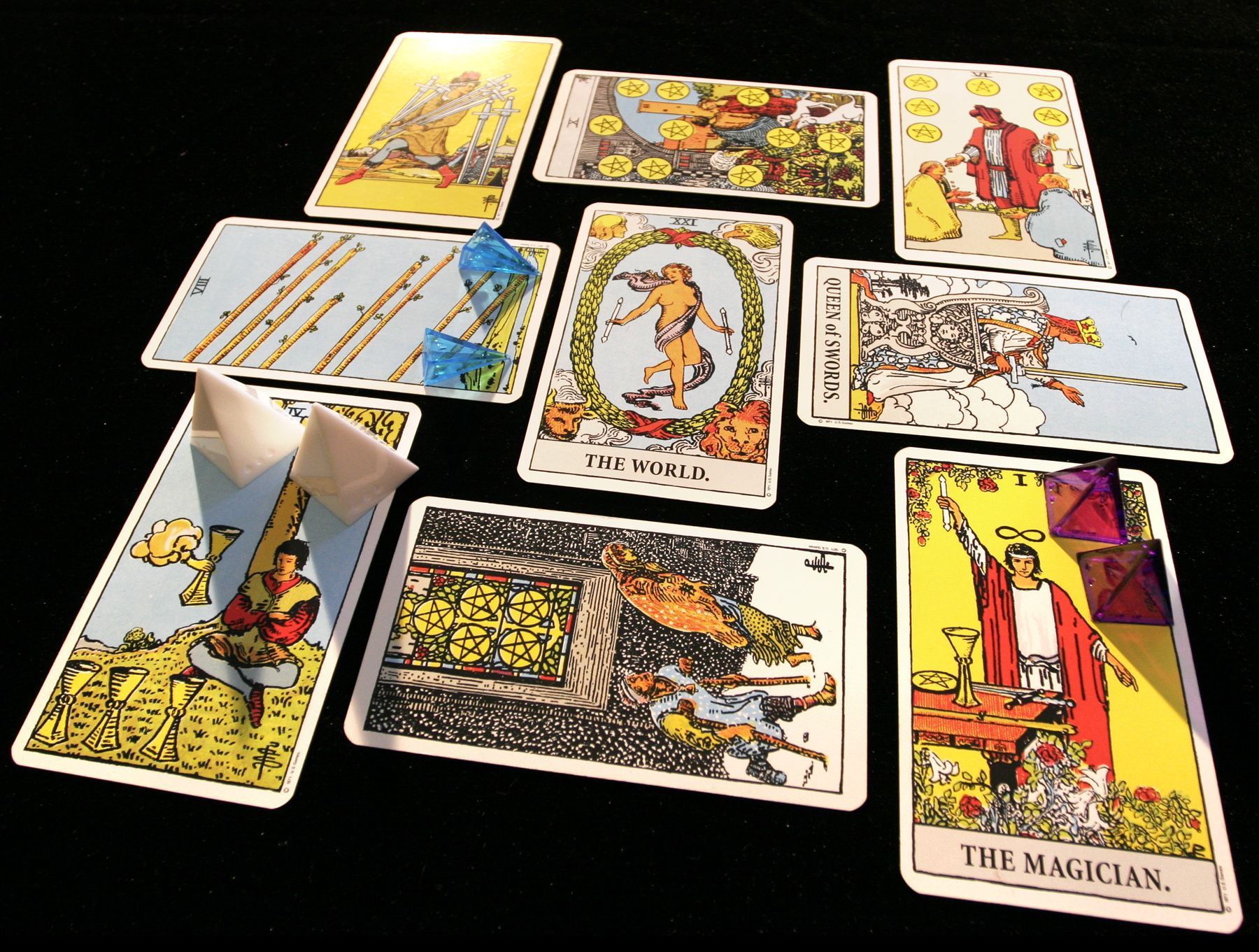
Zark City features a constantly shifting board made up of playing cards that players lay down during the game. Each card becomes a tile of the map, and its placement can instantly alter the territorial struggle. Control over each tile is shown with Icehouse pyramids – the colorful plastic pyramids that indicate a player’s presence and influence on a space. The win condition is straightforward yet demanding: completely dominate a connected trio of cards that are either a three‑of‑a‑kind or a suited straight (three‑card Straight Flush). When you achieve that, you win.
The game is a re‑imagining of Zarcana, offering streamlined rules and more accessible components. The board builds in real time, giving the feeling of a battlefield that expands and contracts with each move. Area Majority/Influence and Area‑Impulse mechanics give weight to placement decisions: placing a pyramid can secure a tile and also affect neighboring areas, creating chain reactions. Because the board is modular, every playthrough has a different layout, boosting replay value despite the low learning curve (weight 2.3/5).
Designed for 2‑5 players, a typical game lasts about 30 minutes, making it perfect for a quick session or a filler between heavier titles. Components are light – cards and pyramids – and there’s no language barrier, so you can play anywhere. If you enjoy abstract strategy games that blend territory control, tile placement, and a dash of card luck, Zark City might just be the perfect addition to your collection.
The game is a re‑imagining of Zarcana, offering streamlined rules and more accessible components. The board builds in real time, giving the feeling of a battlefield that expands and contracts with each move. Area Majority/Influence and Area‑Impulse mechanics give weight to placement decisions: placing a pyramid can secure a tile and also affect neighboring areas, creating chain reactions. Because the board is modular, every playthrough has a different layout, boosting replay value despite the low learning curve (weight 2.3/5).
Designed for 2‑5 players, a typical game lasts about 30 minutes, making it perfect for a quick session or a filler between heavier titles. Components are light – cards and pyramids – and there’s no language barrier, so you can play anywhere. If you enjoy abstract strategy games that blend territory control, tile placement, and a dash of card luck, Zark City might just be the perfect addition to your collection.
Gallery
Box and component photos
Tap any photo to open fullscreen. Photos submitted by the community or publisher.
Best player count
BGG community vote
2
REC
3
REC
4
BEST
5
REC
Soundtrack
Ambience suggested by Melodice
Loading playlist...
Where to Buy
Prices monitored daily
Finding best prices...
Prices unavailable at this time.
Price history — last 6 months (lowest new offer)
As an Amazon Associate I earn from qualifying purchases. Prices and availability subject to change.
Alert enabled!
Join the BoardGamesBot deals group
Get the best board game deals every day — without message spam.
Join the WhatsApp groupGame details
Mechanics, categories, families and credits
Mechanics
Categories
Families
Publisher
(Web published), Looney Labs
Designer
Andrew Looney
Community
Data from BoardGameGeek
140owners
19wishlist
Frequently Asked Questions
Quick answers before you buy
How many players can play?
2 to 5 players.
How long does a game take?
Approximately 30 minutes, depending on player count.
What is the game's complexity?
It’s a light game, BGG weight 2.3/5, easy to pick up.
What components are included?
A deck of cards, a set of colored Icehouse pyramids, and a rulebook.
Do I need to know English to play?
No. Rules are available in Portuguese and the cards have no text.
Can I play solo?
No, the game requires at least two players.
Is it suitable for kids?
Yes, it’s recommended for ages 8+, with adult guidance for strategic concepts.
Other Games You'll Like
Based on mechanics and theme