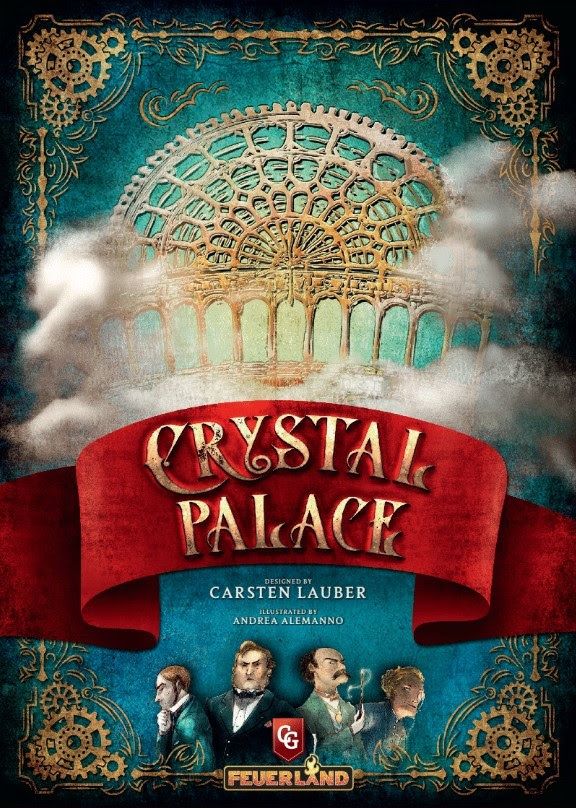
Crystal Palace — Prices
Feuerland Spiele, Brain Star, Capstone Games · Board game · 2019
2–5 · best 3
60–150 min
Weight 3.8/5
Buy · from US$ 41.86
7.9
rating
Ludopedia
7.5
rating
BGG
Our Verdict
RECOMMENDED
If you love economic games with tactical depth and lively interaction, Crystal Palace will hook you with its Victorian charm.
Highlights
- Tactical dice decisions
- High replay value
- Constant player interaction
Keep in mind
- Medium learning curve
- Play time can be long
Rules manual not indexed yet
Upload the PDF rulebook to ask questions about this game with AI.
About the game
What you do in a play session
Crystal Palace transports players to London during the first World Fair in 1851, where each nation strives to stand out with extravagant inventions and the backing of famous figures. The core of the game is dice placement: at the start of every round, each player tweaks the values of their dice – higher numbers grant stronger actions but cost more to set, forcing careful budgeting. The dice are then sent to eight action locations – Patent Office, Reform Club, London Times, Port of London, Waterloo Station, British Museum, Bank of England and Westminster – competing for resources, patents, personality cards and income bonuses.
An action‑queue mechanic lets participants plan sequences of moves, while a turn‑order auction lets you spend money to secure strategic positions, reshuffling who acts first. The modular board reshuffles the layout of locations each game, ensuring variety. Throughout, players may take loans to speed up projects, but must pay interest, which can become a pitfall without sufficient income.
Set collection of inventions and personality cards yields victory points, and end‑game bonuses reward those who amassed patents, resources or completed specific combos. Historical and humorous figures like Phileas Fogg, Levi Strauss and Amelia Edwards add flavor, while inventions – from the Thinking Machine to the Climate Changer – spark creativity on the board. For 2‑5 players, playtime ranges from 60 to 150 minutes, and a moderate complexity (weight 3.8/5) offers depth without intimidation. Perfect for fans of economic games who enjoy tactical choices, player interaction, and a charming Victorian setting.
An action‑queue mechanic lets participants plan sequences of moves, while a turn‑order auction lets you spend money to secure strategic positions, reshuffling who acts first. The modular board reshuffles the layout of locations each game, ensuring variety. Throughout, players may take loans to speed up projects, but must pay interest, which can become a pitfall without sufficient income.
Set collection of inventions and personality cards yields victory points, and end‑game bonuses reward those who amassed patents, resources or completed specific combos. Historical and humorous figures like Phileas Fogg, Levi Strauss and Amelia Edwards add flavor, while inventions – from the Thinking Machine to the Climate Changer – spark creativity on the board. For 2‑5 players, playtime ranges from 60 to 150 minutes, and a moderate complexity (weight 3.8/5) offers depth without intimidation. Perfect for fans of economic games who enjoy tactical choices, player interaction, and a charming Victorian setting.
Gallery
Box and component photos
Tap any photo to open fullscreen. Photos submitted by the community or publisher.
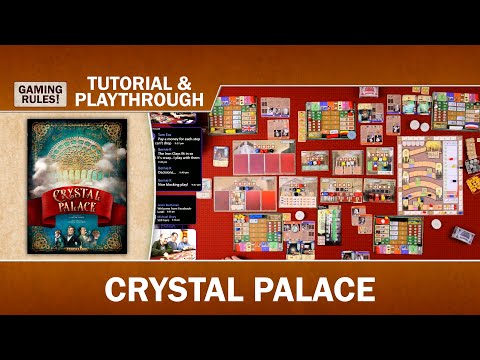
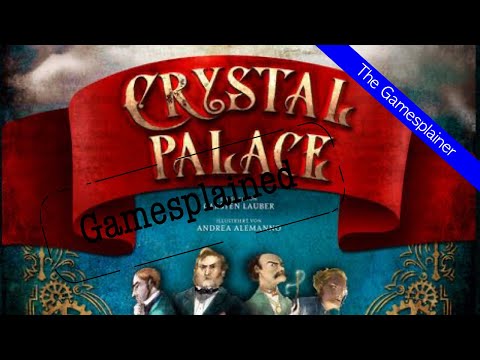
Rules videos
Learn by watching before you open the box




Best player count
BGG community vote
2
REC
3
BEST
4
BEST
5
OK
Soundtrack
Ambience suggested by Melodice
Loading playlist...
Where to Buy
Prices monitored daily
Finding best prices...
Prices unavailable at this time.
Price history — last 6 months (lowest new offer)
Alert enabled!
Join the BoardGamesBot deals group
Get the best board game deals every day — without message spam.
Join the WhatsApp groupGame details
Mechanics, categories, families and credits
Mechanics
Categories
Families
Publisher
Feuerland Spiele, Brain Star, Capstone Games, Cranio Creations, DiceTree Games, Maldito Games, Super Meeple, White Goblin Games
Designer
Carsten Lauber
Artist
Andrea Alemanno
Community
Data from BoardGameGeek
5,974owners
1,146wishlist
172want to play
Frequently Asked Questions
Quick answers before you buy
How many players can join?
2 to 5 players.
What is the typical play time?
Usually 60–150 minutes, depending on player count and familiarity.
How complex is the game?
Weight 3.8/5 – medium complexity, offering strategic depth without being overwhelming.
What components are included?
Modular board, colored dice, invention cards, personality cards, resource tokens, money and loan markers.
Who should buy this game?
Fans of economic, worker‑placement and historically themed games looking for tactical interaction.
Other Games You'll Like
Based on mechanics and theme