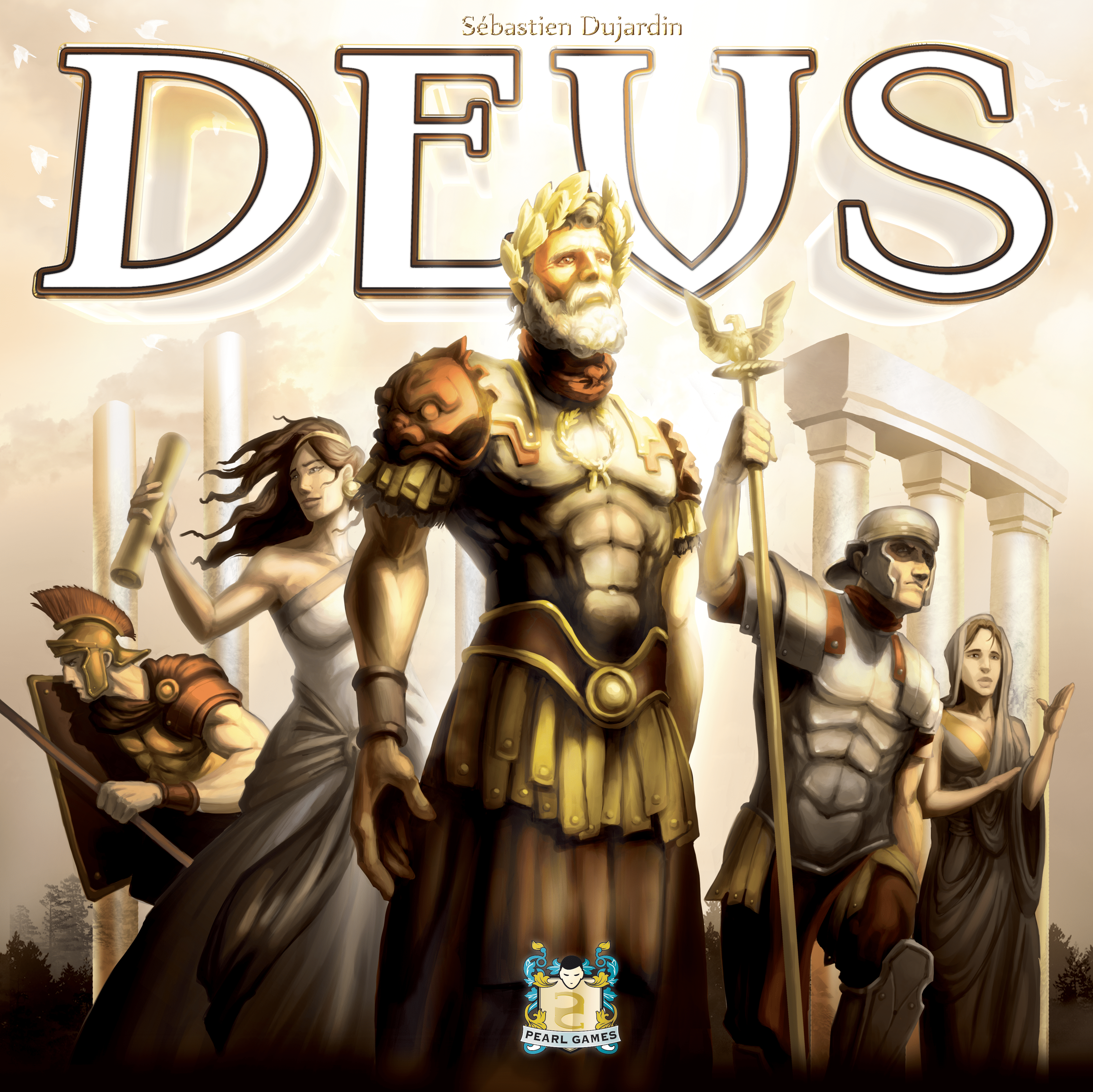
Deus
Pearl Games, asmodee, Asterion Press · Board game · 2014What do you want to do now
Ask anything about Deus: rules, setup, components, complexity, price, or whether it fits your group.
If you enjoy building your action engine and seeing your choices trigger powerful combos, Deus is a treat! It's a game that rewards strategic planning and adaptability.
- Satisfying engine building
- Cascading card combos
- Board interaction
- Important tactical decisions
- High replayability
- Can have analysis paralysis
- Somewhat card draw dependent
- Initial learning curve
About the game
What you do in a play session
Alternatively, if luck isn't on your side with the cards, you can make an offering to the gods. Discard one or more cards and receive the help of a deity associated with one of the discarded cards, with the number of cards determining the strength of the divine action. Then, simply refill your hand to five cards and prepare for the next turn. Cards come in six colors, each with a different focus: red for military, green for resource production, blue for trade, brown for scoring, purple for temples, and yellow for a variety of special effects. The game ends when all barbarian villages on the board have been surrounded and attacked, or when all temples have been constructed. Whoever has the most points, obviously, claims victory! It's a game that nicely blends engine building with board interaction, making you plan every step.
Expansions
Published additional content
Gallery
Box and component photos
Tap any photo to open fullscreen. Photos submitted by the community or publisher.
Rules videos
Learn by watching before you open the box


Rules manual
Official PDF file
Best player count
BGG community vote
Soundtrack
Ambience suggested by Melodice
Where to Buy
Prices monitored daily
Price history — last 6 months (lowest new offer)
As an Amazon Associate I earn from qualifying purchases. Prices and availability subject to change.
Alert enabled!
Join the BoardGamesBot deals group
Get the best board game deals every day — without message spam.
Join the WhatsApp groupGame details
Mechanics, categories, families and credits
Mechanics
Categories
Families
Community
Data from BoardGameGeek
Frequently Asked Questions
Quick answers before you buy
What is the complexity of Deus and who is it for?
How many players can participate and what is the average duration?
Are the components of good quality?
Is there much player interaction?
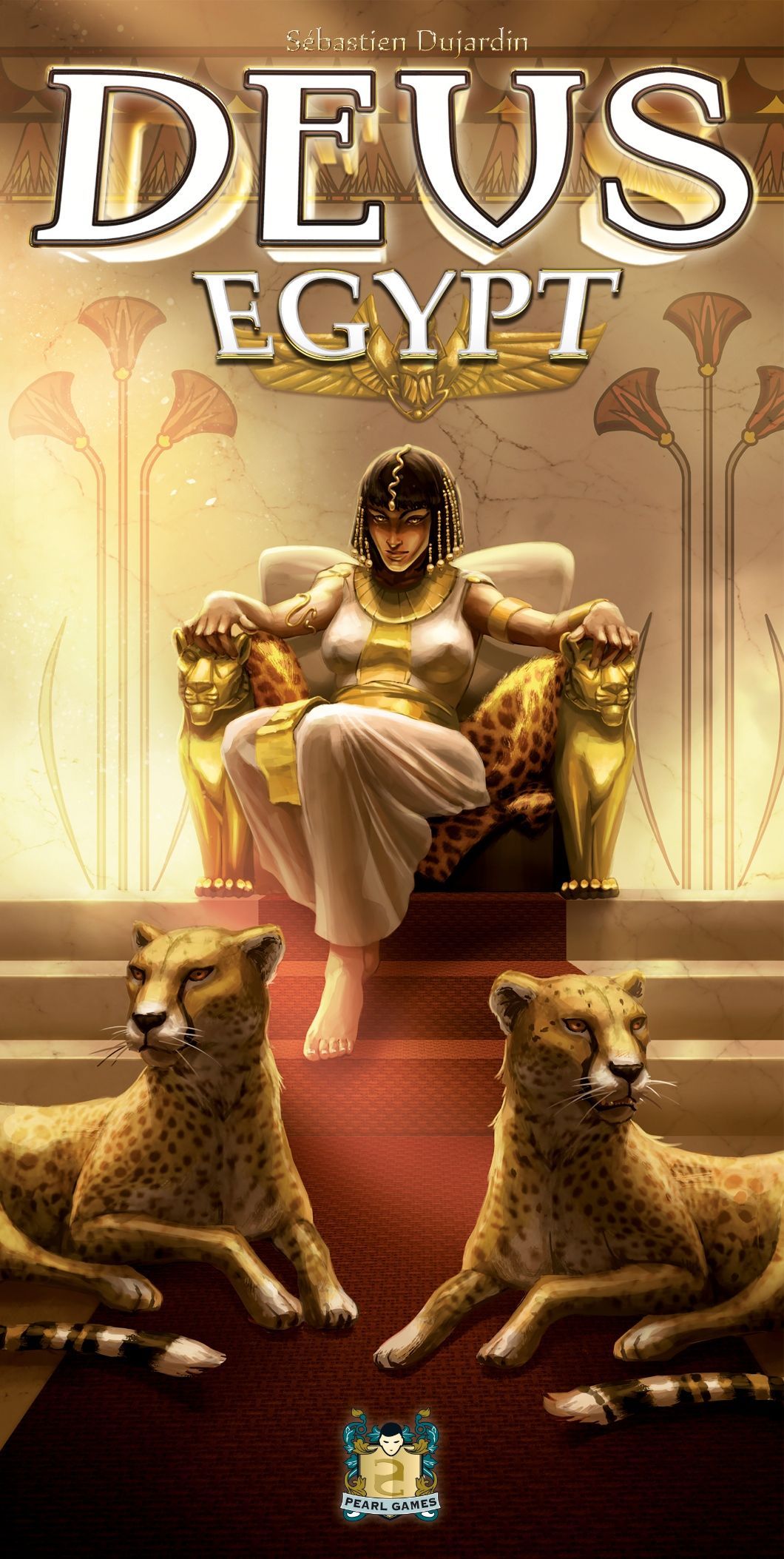
Does Deus have expansions or additional content?
Is it a game with high replayability?
Other Games You'll Like
Based on mechanics and theme