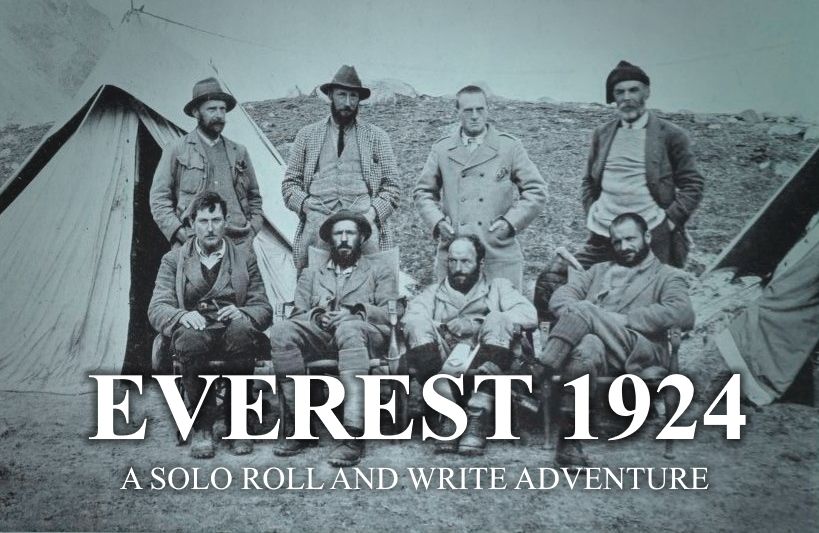
If you enjoy quick, tense solo games, Everest 1924 is a climb worth taking. The game perfectly captures the feeling of challenging the odds, with a simple dice-rolling and locking mechanic that gets progressively harder. Ideal for those who want a short but intense experience, or fans of exploration and adventure themes. Just don't expect to reach the summit on your first try!
thumb_up
Highlights
check_circle
Simple and addictive mechanics
check_circle
Exciting historical theme
check_circle
Great for playing anywhere
warning_amber
Keep in mind
report_problem
Can be frustrating for some
report_problem
Limited to one player
upload_file
Rules manual not indexed yetUpload the PDF rulebook to ask questions about this game with AI.
info
About the game
What you do in a play session
Everest 1924 is a challenging solo game that puts you in the shoes of a climber attempting to conquer the world's highest peak. With just six dice, a pencil, and a scoresheet, you'll face increasingly difficult conditions as you try to reach the summit. The mechanics are simple: roll the dice, choose which to re-roll, and lock the best results to advance. But be careful—Everest doesn't forgive mistakes! The game pays tribute to George Mallory and Andrew Irvine's tragic 1924 expedition, who disappeared on the mountain. Can you succeed where they failed? In about 15 minutes, you'll experience the thrill (and desperation) of facing the world's most famous mountain.
photo_library
Gallery
Box and component photos
11 photos · from the community
01 / 11
Tap any photo to open fullscreen. Photos submitted by the community or publisher.
groups
Best player count
BGG community vote
Solo · 1 player
1
BEST
BestRecommendedWorks
music_note
Soundtrack
Ambience suggested by Melodice
music_noteLoading playlist...
sell
Where to Buy
Prices monitored daily
shopping_cartFinding best prices...
US$
infoPrices unavailable at this time.
Price history — last 6 months (lowest new offer)
notifications_active
Alert enabled!
Join the BoardGamesBot deals group
Get the best board game deals every day — without message spam.