God of War: The Card Game — Prices
CMON Global Limited, 17wanzy (Yihu BG), ADC Blackfire Entertainment · Board game · 2019
1–4 · best 2
Solo
90–180 min
Weight 2.5/5
Buy · from US$ 25.97
7.1
rating
Ludopedia
6.5
rating
BGG
Our Verdict
RECOMMENDED
If you love God of War and cooperative deck-building games, this one is a treat for exploring 'what if?' scenarios.
Highlights
- Immersive God of War theme
- Engaging cooperative gameplay
- Strategic deck building
- High replayability
- Impactful decisions
Keep in mind
- Long play time
- Initial learning curve
- Language dependency
Rules manual not indexed yet
Upload the PDF rulebook to ask questions about this game with AI.
About the game
What you do in a play session
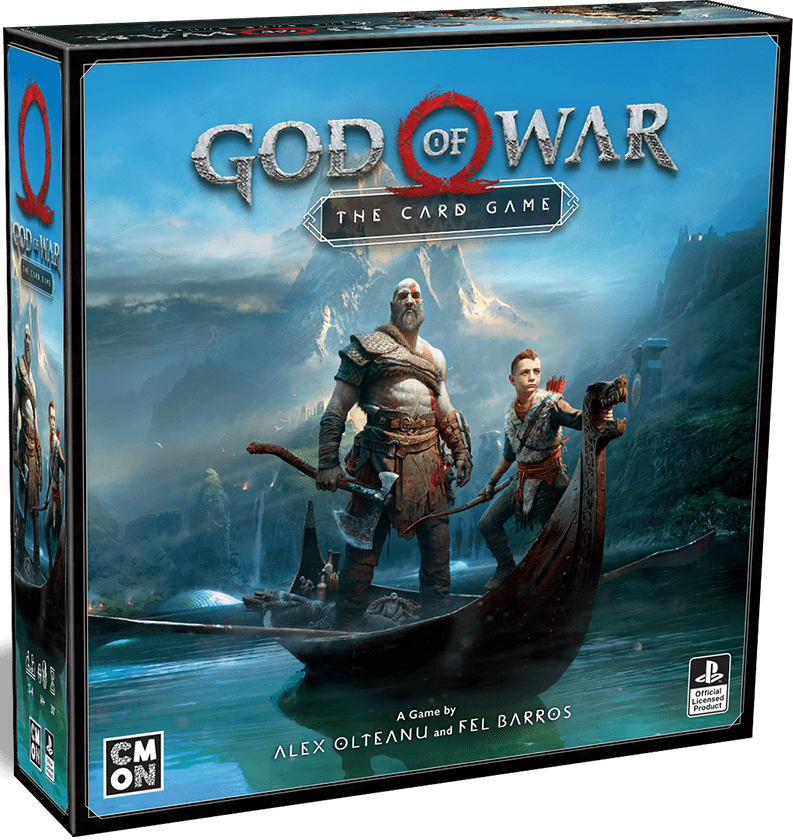
Ragnarök looms, and the fate of all existence hangs in the balance. In God of War: The Card Game, you step into the role of the Norns, mystical beings with the power to foresee the future, in a desperate race to find the perfect combination of heroes and events that can stop the cataclysm. Each game is a fresh attempt to unravel the path to save Midgard from impending destruction. Players collaborate, embodying iconic figures like Kratos, Mimir, Atreus, Brok, Sindri, and Freya, to confront enemies and bosses from the God of War universe, but in novel and surprising ways, creating unique 'What if...?' scenarios with each play. Success means Ragnarök can be averted; failure, well, means the Norns will have to try again, as that particular path led only to ruin. Each quest is constructed as a mosaic of cards representing monsters and locations from the video game. The mosaic's arrangement is always different, and each card is double-sided, revealing special rules when destroyed or flipped. Understanding how to win each quest and which strategy to adopt is crucial. Choices made in earlier quests affect the progression of subsequent ones, with bonuses for completing certain tasks and severe consequences for leaving others untouched. This dynamic ensures that no two games are ever alike. Heroes possess unique characteristics, with individual dashboards detailing their special abilities, health points, and hand size limits. Tokens help track health and power, enabling devastating special attacks. Each hero starts with an exclusive starting deck, which can be upgraded throughout the game, allowing players to focus on strengths or seek a more versatile approach for future challenges. With the variety of heroes, multiple ways to build decks, and different quests to attempt, God of War: The Card Game offers an ever-fresh gameplay experience.
Gallery
Box and component photos
Tap any photo to open fullscreen. Photos submitted by the community or publisher.
Rules videos
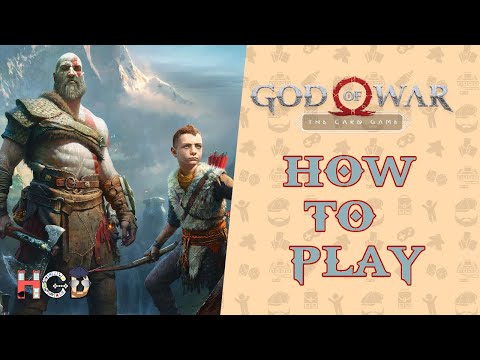
Learn by watching before you open the box



Best player count
BGG community vote
1
REC
2
BEST
3
REC
4
REC
Soundtrack
Ambience suggested by Melodice
Loading playlist...
Where to Buy
Prices monitored daily
Finding best prices...
Prices unavailable at this time.
Price history — last 6 months (lowest new offer)
Alert enabled!
Join the BoardGamesBot deals group
Get the best board game deals every day — without message spam.
Join the WhatsApp groupGame details
Mechanics, categories, families and credits
Mechanics
Categories
Publisher
CMON Global Limited, 17wanzy (Yihu BG), ADC Blackfire Entertainment, BoardM Factory, Delta Vision Publishing, Edge Entertainment, Galápagos Jogos, Lavka Games, Portal Games
Designer
Alex Olteanu, Fel Barros
Community
Data from BoardGameGeek
3,352owners
312wishlist
32want to play
Frequently Asked Questions
Quick answers before you buy
How many players does God of War: The Card Game support?
The game is designed for 1 to 4 players, so you can embark on a solo adventure or gather your friends to save Midgard as a team.
What is the average playtime for a game?
Prepare for an epic journey! Games can range from 90 to 180 minutes, depending on the number of players and the complexity of the quest.
Is it a difficult game to learn?
It has a medium complexity (BGG weight of 2.5172), so there's an initial learning curve to grasp the deck-building mechanics and quest rules. But nothing a few plays won't sort out!
Do I need to know the God of War video game to play?
It's not mandatory, but if you're a fan of the universe, you'll definitely appreciate the references to characters, enemies, and locations. The board game's story is a 'what if?' premise within that universe.
Does the game have good replayability?
Absolutely! The combination of different heroes, varied deck-building, and quest mosaics that change with each game ensures that every playthrough is a unique experience.
What are the main components of the game?
You'll find many cards (hero, enemy, quest), hero dashboards, tokens to track status, and standees to represent characters on the board.
Other Games You'll Like
Based on mechanics and theme