Key Harvest — Prices
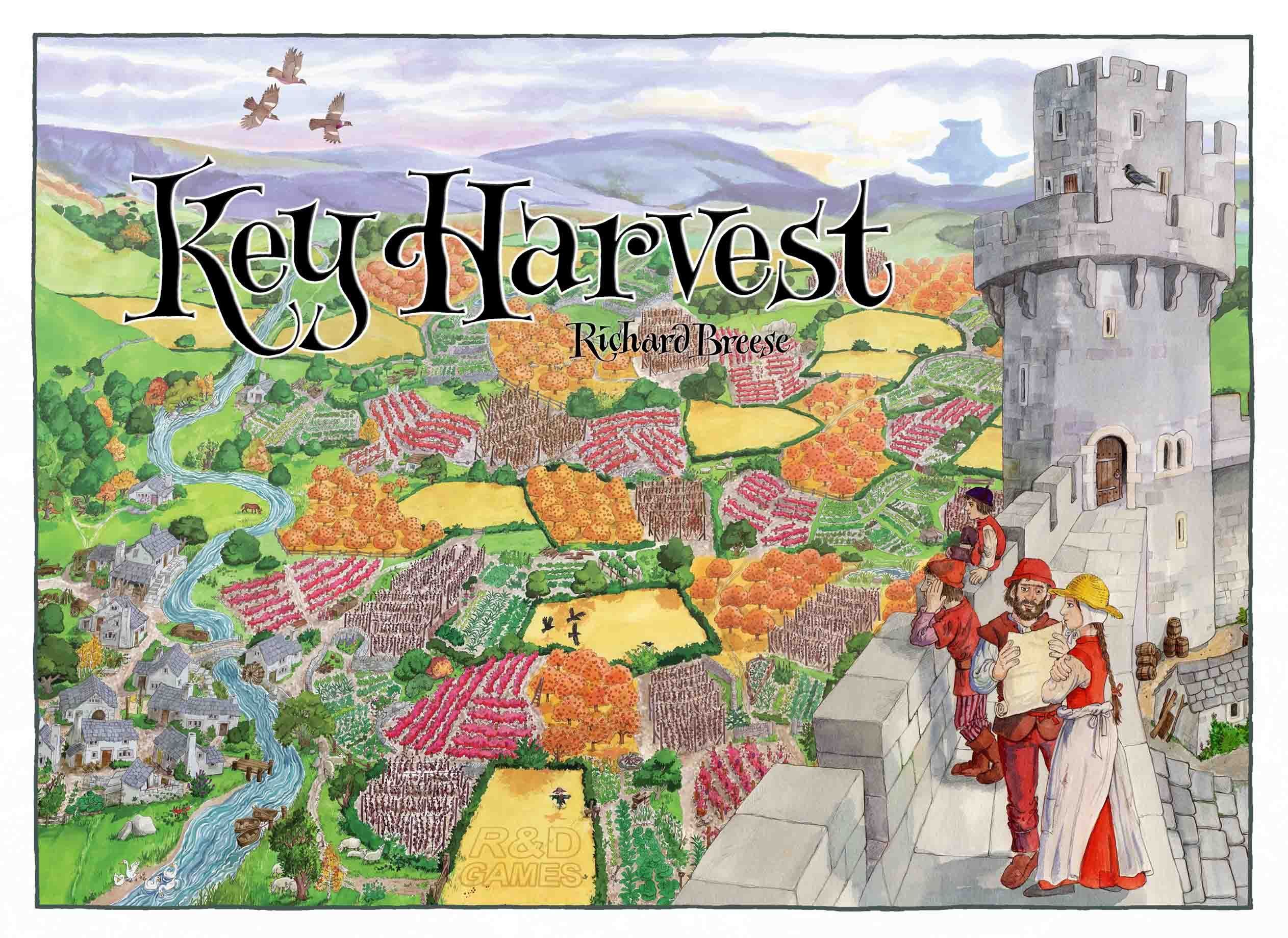
R&D Games, ABACUSSPIELE, Quined White Goblin Games · Board game · 2007If you enjoy strategy games with a touch of bidding and territory building, Key Harvest might become your new favorite! It's the kind of game that makes you think about every bid and how to optimize your actions.
- Clever and engaging auctions
- Satisfying territory building
- Strategic action management
- Worker variety
- Tile connection rules can confuse
- Auctions can be slow
- Limited direct interaction
About the game
What you do in a play session
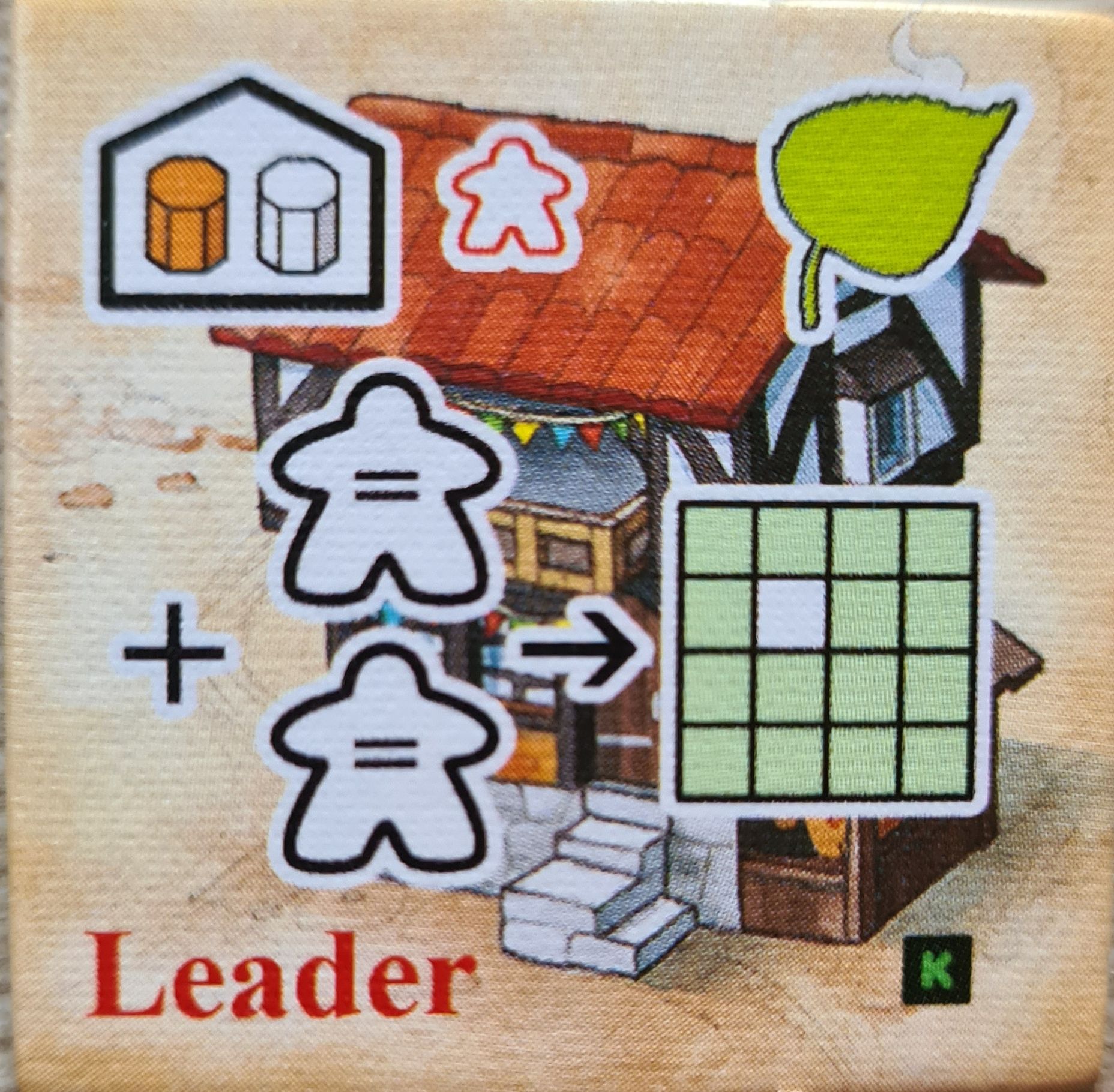
The game revolves around placing terrain tiles onto your own player board, which represents your country. The main scoring comes from grouping these tiles: your largest connected group earns you one point per tile, and the second largest grants two points per tile. And let's not forget the workers! Each worker you place on your board is worth points equal to the number on their tile. But watch out, they don't count towards connecting terrain, got it?.
Each turn, you get two actions and can choose from four options, performing each only once. Want to place a new tile on your land? Grab one from the "registry"? Or send a worker to perform a special task? There's even an option to "harvest" your already planted fields. A golden tip: workers activate special abilities, and if you can reposition them after placing a new tile, you might gain extra benefits. Mastering these moves is the key to success!
The bidding part is where things heat up. You can bid with your "crop counters" to acquire up to two terrain tiles at a time. If no one matches your bid, the tile is yours, and you pay the counters. If someone matches, you might get your counters back, and the tile goes to them. It's a game of bluffing and strategy to figure out how much it's worth to invest.
The game continues until the tenth event card is drawn, after which there are two more rounds for everyone to give it their all. In the end, whoever has the most of each crop counter type also earns some extra points. It's a game with a good dose of strategy, bidding, and territory building that will keep you hooked from start to finish!
Gallery
Box and component photos
Tap any photo to open fullscreen. Photos submitted by the community or publisher.
Rules videos
Learn by watching before you open the box

Best player count
BGG community vote
Soundtrack
Ambience suggested by Melodice
Where to Buy
Prices monitored daily
Price history — last 6 months (lowest new offer)
As an Amazon Associate I earn from qualifying purchases. Prices and availability subject to change.
Alert enabled!
Join the BoardGamesBot deals group
Get the best board game deals every day — without message spam.
Join the WhatsApp groupGame details
Mechanics, categories, families and credits
Mechanics
Categories
Families
Community
Data from BoardGameGeek
Frequently Asked Questions
Quick answers before you buy
What is the average playtime for Key Harvest?
Is Key Harvest a difficult game to learn?
Does the game have a lot of player interaction?
How many players does Key Harvest support?
Who would you recommend Key Harvest to?
What do 'crop counters' mean?
Other Games You'll Like
Based on mechanics and theme