Koinobori — Prices
Perro Loko Games, Devir, IFROM Games · Board game · 2024
2–5 · best 4
20–40 min
Weight 1.7/5
Buy · from US$ 15.97
6.3
rating
Ludopedia
7.0
rating
BGG
Our Verdict
RECOMMENDED
A vibrant and strategic card game for those who love oriental themes and quick play sessions.
Highlights
- Stunning Japanese aesthetics
- Fast and dynamic gameplay
- Perfect risk vs reward balance
- Easy to learn and teach
Keep in mind
- Requires attention to final scoring
- Might be too fast for some
Rules manual not indexed yet
Upload the PDF rulebook to ask questions about this game with AI.
About the game
What you do in a play session
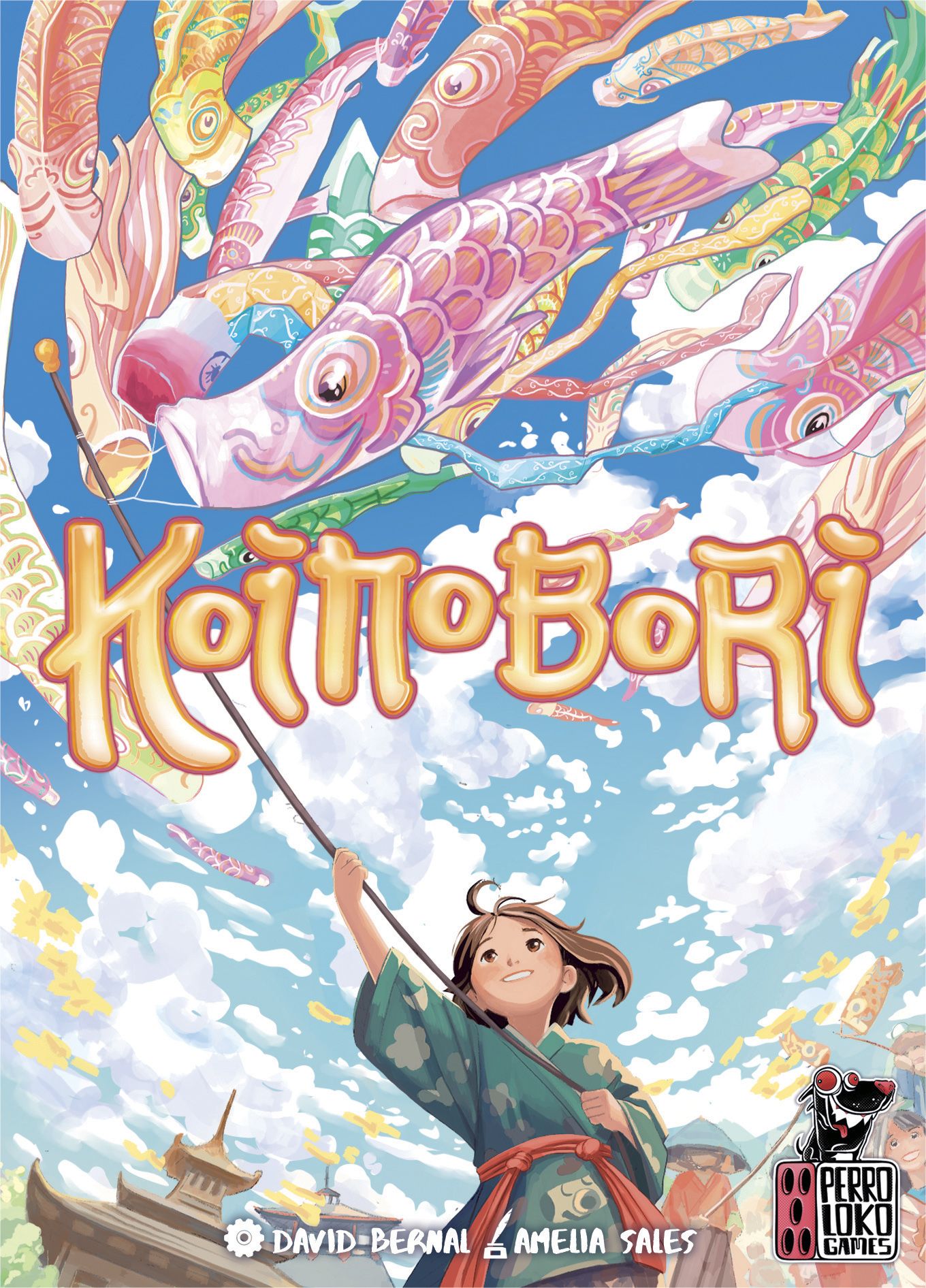
Get ready to color the sky with Koinobori! If you love beautiful Japanese aesthetics, this game invites you to dive into the tradition of Japan's famous colorful kites. The concept is incredibly charming: each player manages their own personal mast, while the center of the table features several communal festival masts. Your goal is to make your mast as impressive as possible, but don't be fooled—the real secret to success lies in how you interact with those festival masts.
During each turn, you have three main options. You can play a koinobori card on the festival masts to try and dominate a specific color, securing the majority of points for that mast at the end. Alternatively, if you want to focus on personal growth, you can place cards face down on your own mast; this unlocks new abilities, like drawing more cards or having more selection options, but watch out: these cards also determine your final score in a very strategic way. Finally, you can always just refresh your hand by taking a card from the row.
The game flows quickly and dynamically, ending once the festival masts are fully populated. When the scoring phase hits, the math kicks in: you identify which color dominated each festival mast and multiply that presence by the number of koinobori you've collected on your personal mast. It's a game of balance: do you focus on building a massive personal mast to multiply your points, or do you spend your energy trying to control colors on the central masts? It's light, visually stunning, and perfect for players seeking a quick card game that still demands sharp strategic thinking to avoid being blindsided by opponents!
During each turn, you have three main options. You can play a koinobori card on the festival masts to try and dominate a specific color, securing the majority of points for that mast at the end. Alternatively, if you want to focus on personal growth, you can place cards face down on your own mast; this unlocks new abilities, like drawing more cards or having more selection options, but watch out: these cards also determine your final score in a very strategic way. Finally, you can always just refresh your hand by taking a card from the row.
The game flows quickly and dynamically, ending once the festival masts are fully populated. When the scoring phase hits, the math kicks in: you identify which color dominated each festival mast and multiply that presence by the number of koinobori you've collected on your personal mast. It's a game of balance: do you focus on building a massive personal mast to multiply your points, or do you spend your energy trying to control colors on the central masts? It's light, visually stunning, and perfect for players seeking a quick card game that still demands sharp strategic thinking to avoid being blindsided by opponents!
Gallery
Box and component photos
Tap any photo to open fullscreen. Photos submitted by the community or publisher.
Best player count
BGG community vote
2
REC
3
REC
4
BEST
5
BEST
Soundtrack
Ambience suggested by Melodice
Loading playlist...
Where to Buy
Prices monitored daily
Finding best prices...
Prices unavailable at this time.
Price history — last 6 months (lowest new offer)
Alert enabled!
Join the BoardGamesBot deals group
Get the best board game deals every day — without message spam.
Join the WhatsApp groupGame details
Mechanics, categories, families and credits
Mechanics
Categories
Families
Publisher
Perro Loko Games, Devir, IFROM Games
Designer
David Bernal
Artist
Amelia Sales
Community
Data from BoardGameGeek
605owners
177wishlist
18want to play
Frequently Asked Questions
Quick answers before you buy
How long does a game last?
It's quite quick, between 20 to 40 minutes, making it a perfect filler between larger games.
How complex is the game?
It's a light and easy-to-learn game, but it requires strategy to manage your cards and personal mast.
How many players is it recommended for?
It works great for 2 to 5 players.
Is the game very competitive?
Yes, you need to keep an eye on what others are placing on the festival masts so you don't lose the color majority!
Do I need to know much about Japanese culture?
Not at all! The theme is just the beautiful backdrop for a very fun card mechanic.
Other Games You'll Like
Based on mechanics and theme