London — Prices
Treefrog Games · Board game · 2010
2–4 · best 3
90 min
Weight 2.9/5
Buy · from US$ 44.00
8.2
rating
Ludopedia
7.3
rating
BGG
Our Verdict
RECOMMENDED
If you love urban planning with a splash of history, London will wow you.
Highlights
- Strategic building
- Engaging decisions
- Historical theme
- Hand management
- Resource control
Keep in mind
- Average playtime
- Moderate complexity
- Watch out for poverty
Rules manual not indexed yet
Upload the PDF rulebook to ask questions about this game with AI.
About the game
What you do in a play session
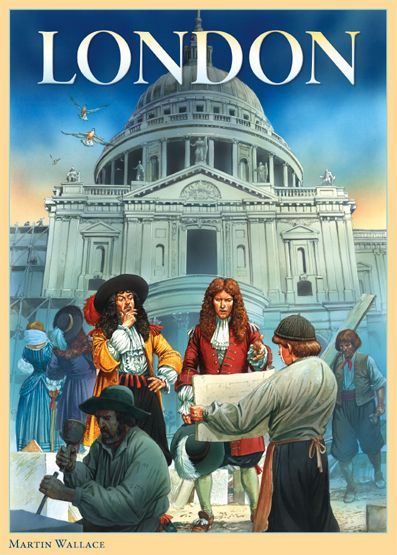
After the Great Fire of 1666, London lies in ashes and it’s up to you to decide how to rebuild it. In London, you take on the role of mayor, choosing cards that balance cash flow, victory points, and the risk of poverty. Each card offers a unique effect – it can generate money, reduce poverty, or place a monument on the city streets. The game blends **hand management**, where you decide what to use and when, with **open drafting**, where all players pick from the same pool, creating tension and competition. As the game progresses, you expand your “building line” – a tableau of cards you can activate in any order, generating resources and points. The historical aesthetic, with illustrations of famous buildings and inventions like streetlights, adds extra charm. London is a 90‑minute strategic challenge for 2‑4 players, with tough decisions: earning money may mean letting poverty rise, while spending on monuments can bring victory points but costs resources. It’s perfect for fans of urban planning, economics, and historical themes.
Gallery
Box and component photos
Tap any photo to open fullscreen. Photos submitted by the community or publisher.
Rules videos
Learn by watching before you open the box
In English

Best player count
BGG community vote
2
REC
3
BEST
4
REC
Soundtrack
Ambience suggested by Melodice
Loading playlist...
Where to Buy
Prices monitored daily
Finding best prices...
Prices unavailable at this time.
Price history — last 6 months (lowest new offer)
Alert enabled!
Join the BoardGamesBot deals group
Get the best board game deals every day — without message spam.
Join the WhatsApp groupGame details
Mechanics, categories, families and credits
Mechanics
Categories
Families
Publisher
Treefrog Games
Designer
Martin Wallace
Artist
Mike Atkinson, Natalia Borek, Peter Dennis, Przemysław Sobiecki, Simon Jannerland
Community
Data from BoardGameGeek
6,068owners
1,188wishlist
233want to play
Frequently Asked Questions
Quick answers before you buy
How many players can play?
London is designed for 2 to 4 players.
What is the typical game duration?
A game usually lasts about 90 minutes.
What is the complexity level?
The game has moderate complexity, requiring attention to cards and poverty.
What are the main components?
Construction cards, money tokens, poverty tokens, and a city map board.
Who is the target audience?
Ideal for fans of urban planning, economics, and historical themes.
How does open drafting work?
All construction cards are placed in a common pool, and each player chooses a card in turn, creating competition for resources.
Other Games You'll Like
Based on mechanics and theme