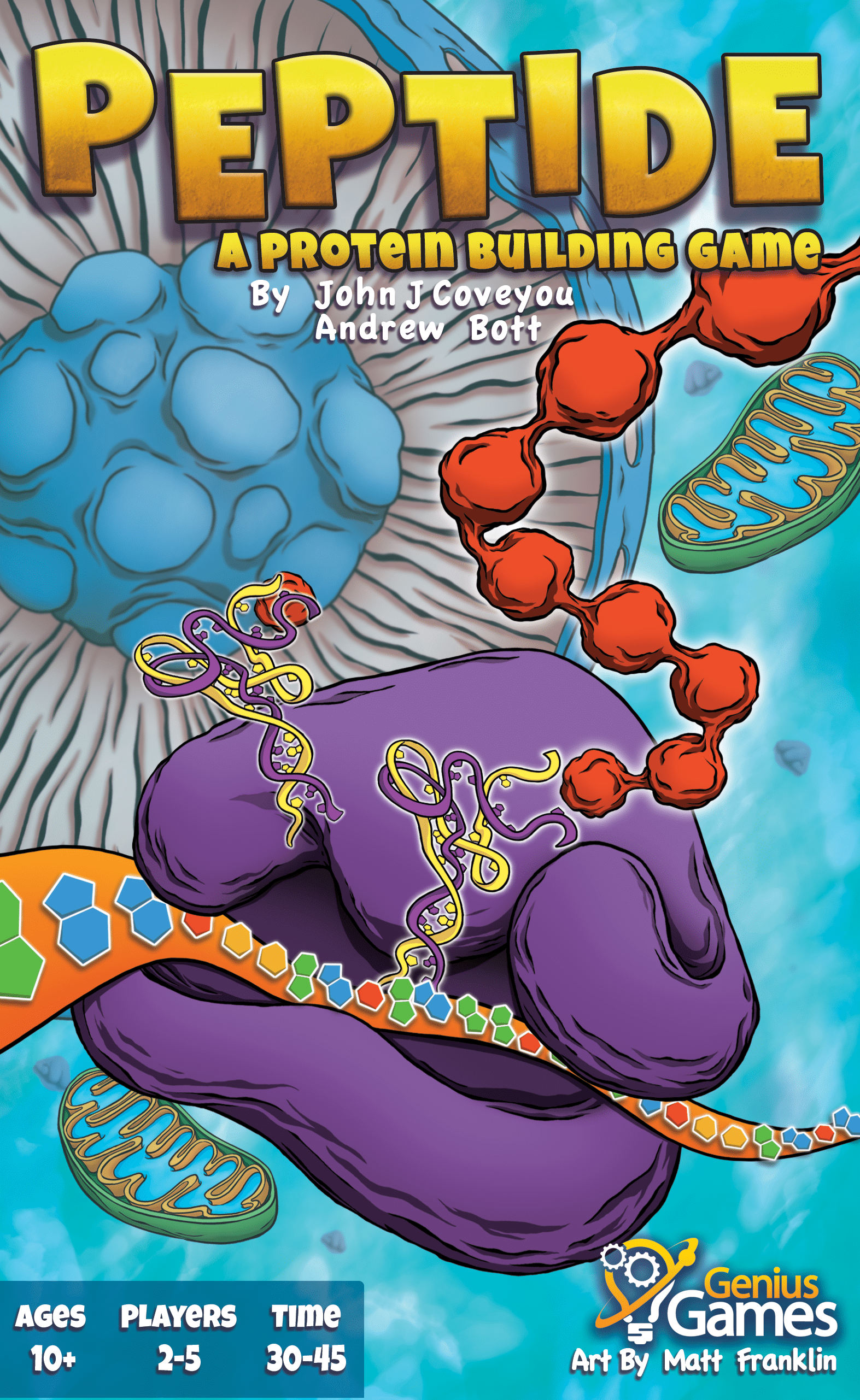
Peptide: A Protein Building Game
Ediciones MasQueOca, Genius Games · Board game · 2014
2–5 · best 4
30–45 min
Weight 1.9/5
Buy · from US$ 19.23
5.8
rating
Ludopedia
6.3
rating
BGG
Our Verdict
If you love science and want to test your strategy, Peptide will surprise you!
Highlights
- Integrated learning
- Dynamic drafting
- Resource strategy
Keep in mind
- Steep learning curve
- Biological theme
Rules manual not indexed yet
Upload the PDF rulebook to ask questions about this game with AI.
About the game
What you do in a play session
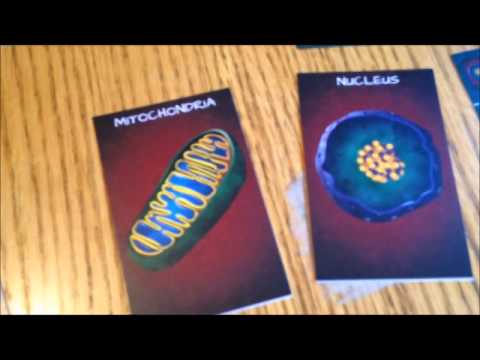
Peptide: A Protein Building Game is a card game that blends hand‑management and open drafting to teach biology fundamentals in a fun way. Instead of using tiles or boards, players pick cards representing cell organelles—each granting molecular resources or actions that help build a peptide chain. The goal? Assemble the most valuable amino‑acid sequence, mirroring RNA translation into proteins. The challenge lies in balancing card choices: you might grab an organelle that gives instant resources, but you may need to sacrifice a long‑term chain‑building opportunity. Open drafting adds social tension as everyone sees the available cards and tries to anticipate others’ moves. Final scoring counts not only the number of amino acids but also variety and type combinations, encouraging diversification strategies. The game supports 2–5 players, lasts about 30–45 minutes, and suits those who enjoy learning while playing without getting bogged down in complex rules. The artwork is clean, with clear illustrations that aid understanding of scientific concepts. If you love science, educational games, and want a challenge that tests memory and planning, Peptide is a solid pick.
The game was crowdfunded on Kickstarter, giving a sense of community and careful design for accessibility. However, the learning curve can be a bit steep for those new to open‑drafting mechanics, and the biological theme may not appeal to fans of more fantastical or adventure settings. Still, the experience of building miniature proteins is unique and can be a great entry point for introducing kids or teens to biology.
In short, Peptide delivers a blend of strategy, science, and fun with an educational twist that never feels forced. If you’re looking for an educational game that’s more than a science puzzle, this is the one.
The game was crowdfunded on Kickstarter, giving a sense of community and careful design for accessibility. However, the learning curve can be a bit steep for those new to open‑drafting mechanics, and the biological theme may not appeal to fans of more fantastical or adventure settings. Still, the experience of building miniature proteins is unique and can be a great entry point for introducing kids or teens to biology.
In short, Peptide delivers a blend of strategy, science, and fun with an educational twist that never feels forced. If you’re looking for an educational game that’s more than a science puzzle, this is the one.
Gallery
Box and component photos
Tap any photo to open fullscreen. Photos submitted by the community or publisher.
Rules videos
Learn by watching before you open the box
Best player count
BGG community vote
2
BEST
3
BEST
4
BEST
5
BEST
Soundtrack
Ambience suggested by Melodice
Loading playlist...
Where to Buy
Prices monitored daily
Finding best prices...
Prices unavailable at this time.
Price history — last 6 months (lowest new offer)
As an Amazon Associate I earn from qualifying purchases. Prices and availability subject to change.
Alert enabled!
Join the BoardGamesBot deals group
Get the best board game deals every day — without message spam.
Join the WhatsApp groupGame details
Mechanics, categories, families and credits
Mechanics
Categories
Families
Publisher
Ediciones MasQueOca, Genius Games
Designer
John Coveyou
Artist
Matt Franklin
Community
Data from BoardGameGeek
1,345owners
158wishlist
22want to play
Frequently Asked Questions
Quick answers before you buy
What is the average playtime?
About 30 to 45 minutes, depending on the number of players.
How many players can join?
2 to 5 players, making it great for small to medium groups.
Is it suitable for kids?
Yes, especially for school‑age children. The mechanics are simple, though the theme may need some explanation.
What are the main components?
Organelle cards, amino‑acid cards, molecular resource tokens, and a small board to arrange the peptide chain.
What is the complexity level?
Medium. It involves hand planning and drafting awareness, but the rules are approachable.
Does it work well in a classroom setting?
Absolutely. It reinforces biology concepts interactively, making learning more engaging.
Other Games You'll Like
Based on mechanics and theme