Mhing
Alga, Gelber Marketing, Gogny-Goubert · Board game · 1982
2–6 · best 4
60 min
Weight 2.1/5
—
rating
Ludopedia
6.7
rating
BGG
—
rating
Ludopedia
6.7
rating
BGG
Our Verdict
RECOMMENDED
Perfect for those who love classic card games and want Mahjong's depth with faster rules.
Highlights
- Easy to learn rules
- Excellent player scalability
- Rewarding strategic dilemma
- High-scoring combinations
Keep in mind
- Pacing may be slow for some
- Requires some patience
Rules manual not indexed yet
Upload the PDF rulebook to ask questions about this game with AI.
About the game
What you do in a play session
Ever had that feeling of assembling the perfect combo and watching your score skyrocket? That's exactly what Mhing delivers. Inspired by the classic Mahjong, the game brings a dynamic familiar to anyone who has played Rummy: the basic goal is to organize your cards into sequences or sets to achieve 'Mhing'. But don't be fooled by the initial simplicity; there's an interesting strategic dilemma that keeps players engaged. You can try to finish your hand quickly to end the round, or you can take a risk and spend time building rare and valuable combinations. While finishing fast gives you an immediate win, complex combinations can earn hundreds of points, completely changing the course of the game.
The game is surprisingly elegant and accessible. With just a few minutes of explanation, anyone can start playing, but the variety of possibilities ensures that every match is different from the last. It's the kind of game you learn quickly but spend years trying to master all the nuances. Another strong point is the player scalability: while traditional Mahjong is often quite rigid regarding the number of people, Mhing scales very well, working great in both a tense duel between two players or a full table of six.
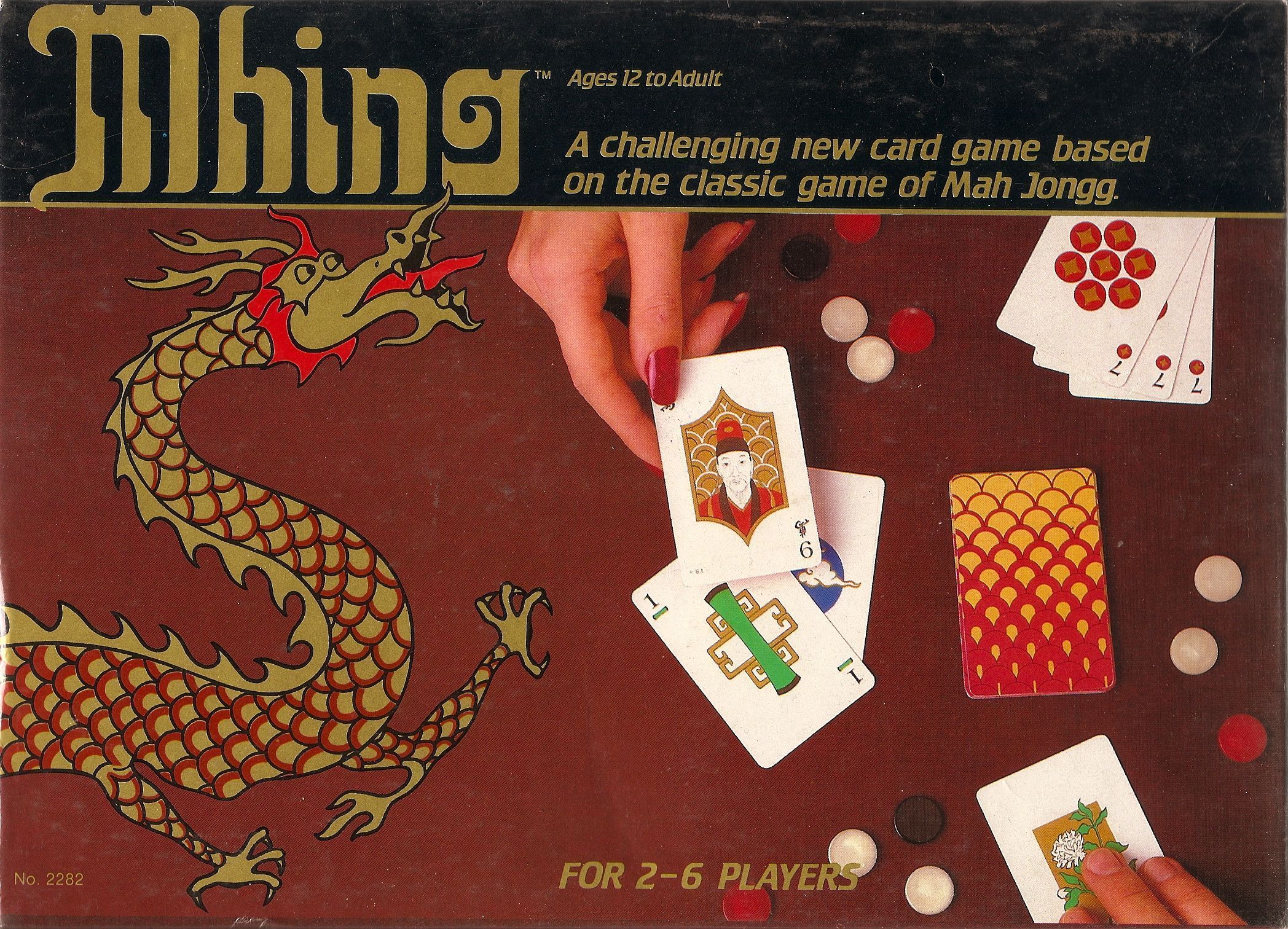
Regarding components, the game comes with a robust deck of 150 cards, divided into 108 suit cards, 28 honor cards, 8 flower cards, and 6 wild cards that help save a desperate move. It's the ideal choice for those looking for a classic card game with tactical depth but without the barrier of overly complex rules. If you enjoy set collection games and want something that blends Oriental tradition with the fluidity of modern card games, Mhing is the way to go.
The game is surprisingly elegant and accessible. With just a few minutes of explanation, anyone can start playing, but the variety of possibilities ensures that every match is different from the last. It's the kind of game you learn quickly but spend years trying to master all the nuances. Another strong point is the player scalability: while traditional Mahjong is often quite rigid regarding the number of people, Mhing scales very well, working great in both a tense duel between two players or a full table of six.
Regarding components, the game comes with a robust deck of 150 cards, divided into 108 suit cards, 28 honor cards, 8 flower cards, and 6 wild cards that help save a desperate move. It's the ideal choice for those looking for a classic card game with tactical depth but without the barrier of overly complex rules. If you enjoy set collection games and want something that blends Oriental tradition with the fluidity of modern card games, Mhing is the way to go.
Gallery
Box and component photos
Tap any photo to open fullscreen. Photos submitted by the community or publisher.
Best player count
BGG community vote
2
REC
3
REC
4
BEST
5
REC
6
OK
Soundtrack
Ambience suggested by Melodice
Loading playlist...
Where to Buy
Prices monitored daily
Finding best prices...
Prices unavailable at this time.
Price history — last 6 months (lowest new offer)
Alert enabled!
Join the BoardGamesBot deals group
Get the best board game deals every day — without message spam.
Join the WhatsApp groupGame details
Mechanics, categories, families and credits
Mechanics
Categories
Families
Publisher
Alga, Gelber Marketing, Gogny-Goubert, Huki, Jumbo, National Mah Jongg League, Inc., Piatnik, Selchow & Righter, Spear's Games, Suntex, Ventura Games
Designer
Robert Sun
Artist
Robert Sun
Community
Data from BoardGameGeek
Frequently Asked Questions
Quick answers before you buy
Is it hard to learn?
Not at all! The basic rules are quite simple, and you can start playing in just a few minutes.
How many people can play?
The game is very flexible, working great from 2 to 6 players.
How long does a game last?
On average, games last about 60 minutes.
What's in the box?
A 150-card deck, including suit, honor, flower, and wild cards.
Is it suitable for children?
Yes, it is recommended for players aged 10 and up.
Do I need to know Mahjong to play?
No, although it's based on Mahjong, Mhing is standalone and teaches its own dynamics.
Other Games You'll Like
Based on mechanics and theme