Namiji — Price & soundtrack
Funforge, ADC Blackfire Entertainment, Hobby Japan · Board game · 2022
2–5 · best 4
30–45 min
Weight 1.7/5
Buy · from US$ 26.94
8.2
rating
Ludopedia
7.1
rating
BGG
Our Verdict
RECOMMENDED
Perfect for Tokaido fans or anyone looking for a zen experience with a bit more risk and set-collection strategy.
Highlights
- Vibrant art and beautiful components
- Very fluid time track mechanic
- Nice balance between luck and tactics
- Immersive and relaxing theme
Keep in mind
- Might feel slow for conflict-driven players
- Moderate reliance on push-your-luck luck
Rules manual not indexed yet
Upload the PDF rulebook to ask questions about this game with AI.
About the game
What you do in a play session
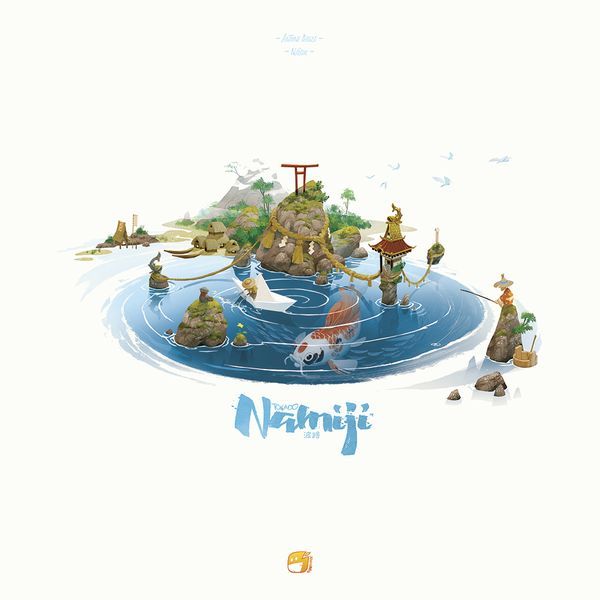
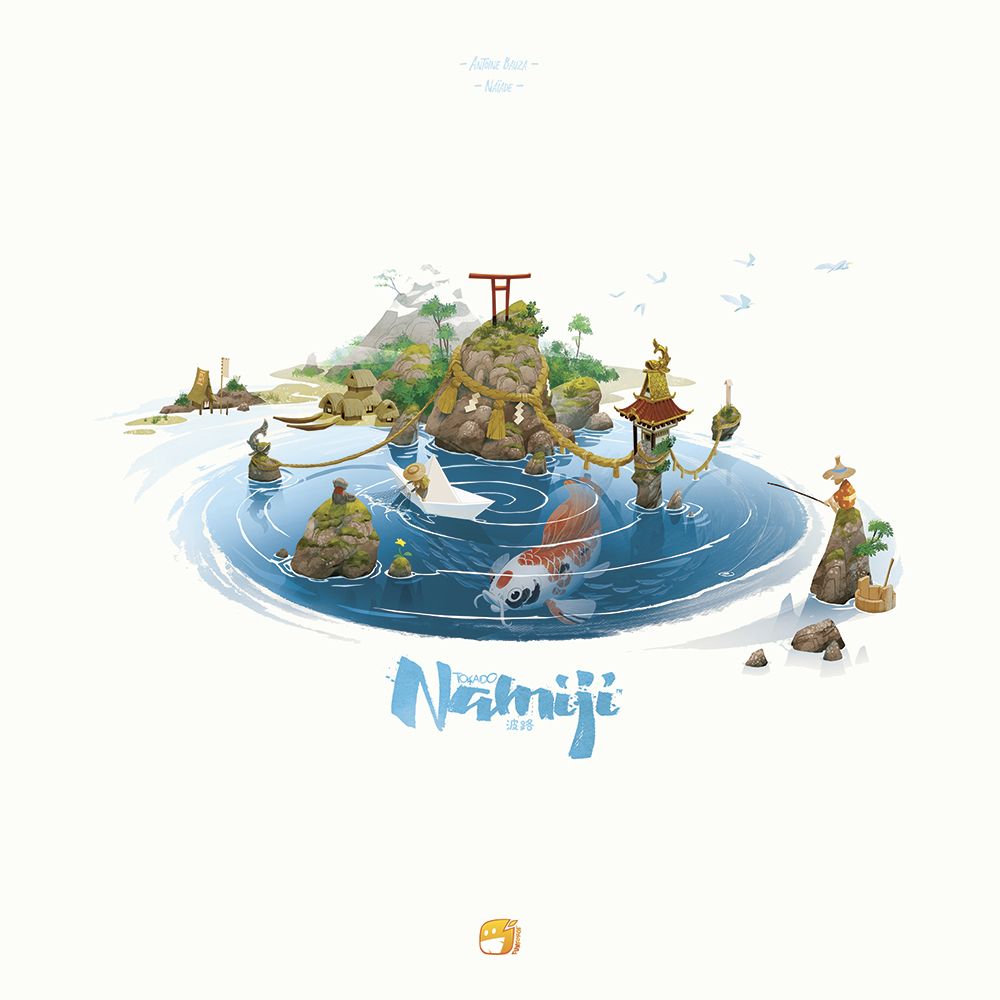
Imagine yourself in ancient Japan, sailing the crystal-clear waters south of the archipelago, just a few kilometers from the famous Tokaido road. In Namiji, you take on the role of a dedicated fisher aiming for the most productive day at sea. The goal is straightforward: fill your racks with the greatest variety and quantity of fish and crustaceans, but the journey there requires strategy and a touch of luck.
The gameplay follows a 'time track' logic, something that fans of Tokaido will recognize instantly. The board is a linear path of action spaces. The golden rule is: the player furthest back on the track takes the next turn. This creates a constant dilemma. Do you advance slowly to get more turns and perform several small actions, or do you leap forward to secure a premium action space before your opponents reach it?
During your journey, you can fish using lines or nets, retrieve crustacean traps, and contemplate the beauty of marine species. But it's not just about fishing; you also need to upgrade your equipment to become more efficient. And, of course, you can't ignore the deities. You'll need to please the sea gods with offerings or fulfill their wishes while meditating at the Sacred Rocks to earn valuable rewards. It's a game of time management and risk, where patience can be as rewarding as ambition. With colorful components and a relaxing vibe, Namiji transforms artisanal fishing into an engaging tactical challenge, balancing set collection with careful positioning on the board.
The gameplay follows a 'time track' logic, something that fans of Tokaido will recognize instantly. The board is a linear path of action spaces. The golden rule is: the player furthest back on the track takes the next turn. This creates a constant dilemma. Do you advance slowly to get more turns and perform several small actions, or do you leap forward to secure a premium action space before your opponents reach it?
During your journey, you can fish using lines or nets, retrieve crustacean traps, and contemplate the beauty of marine species. But it's not just about fishing; you also need to upgrade your equipment to become more efficient. And, of course, you can't ignore the deities. You'll need to please the sea gods with offerings or fulfill their wishes while meditating at the Sacred Rocks to earn valuable rewards. It's a game of time management and risk, where patience can be as rewarding as ambition. With colorful components and a relaxing vibe, Namiji transforms artisanal fishing into an engaging tactical challenge, balancing set collection with careful positioning on the board.
Expansions
Published additional content
Gallery
Box and component photos
Tap any photo to open fullscreen. Photos submitted by the community or publisher.
Rules videos
Learn by watching before you open the box


Best player count
BGG community vote
2
REC
3
REC
4
BEST
5
REC
Soundtrack
Ambience suggested by Melodice
Loading playlist...
Where to Buy
Prices monitored daily
Finding best prices...
Prices unavailable at this time.
Price history — last 6 months (lowest new offer)
Alert enabled!
Join the BoardGamesBot deals group
Get the best board game deals every day — without message spam.
Join the WhatsApp groupGame details
Mechanics, categories, families and credits
Mechanics
Categories
Families
Publisher
Funforge, ADC Blackfire Entertainment, Hobby Japan, Pegasus Spiele
Designer
Antoine Bauza
Artist
Xavier Gueniffey Durin
Community
Data from BoardGameGeek
5,394owners
1,035wishlist
91want to play
Frequently Asked Questions
Quick answers before you buy
Is it hard to learn?
Not at all! The complexity is low (weight 1.7), making it ideal for families or newcomers to the hobby.
How long does a game take?
Usually between 30 to 45 minutes, depending on the number of players.
Do I need to know English to play?
Hardly. There is very little text, and what exists is easy to memorize or reference.
Does it work well with 2 players?
Yes, the game scales well from 2 to 5 players, maintaining the time track dynamics.
Is it similar to Tokaido?
Yes, the movement structure is the same, but the actions and goals (fishing vs. traveling) are different.
Is the game purely luck-based?
No. While it features 'push your luck', the decision of when to advance on the track is purely strategic.
Other Games You'll Like
Based on mechanics and theme