Ora et Labora
Lookout Games, 999 Games, Filosofia Éditions · Board game · 2011What do you want to do now
Ask anything about Ora et Labora: rules, setup, components, complexity, price, or whether it fits your group.
If you're into heavy euros that make you rack your brain with production and optimization, Ora et Labora is a feast. It's a Uwe Rosenberg classic that demands planning and rewards you with immense satisfaction.
- Complex engine building
- Challenging resource optimization
- Clever indirect interaction
- Innovative resource rondel
- High replayability with variants
- Game time can be long
- Steep learning curve
- Requires focus and planning
About the game
What you do in a play session
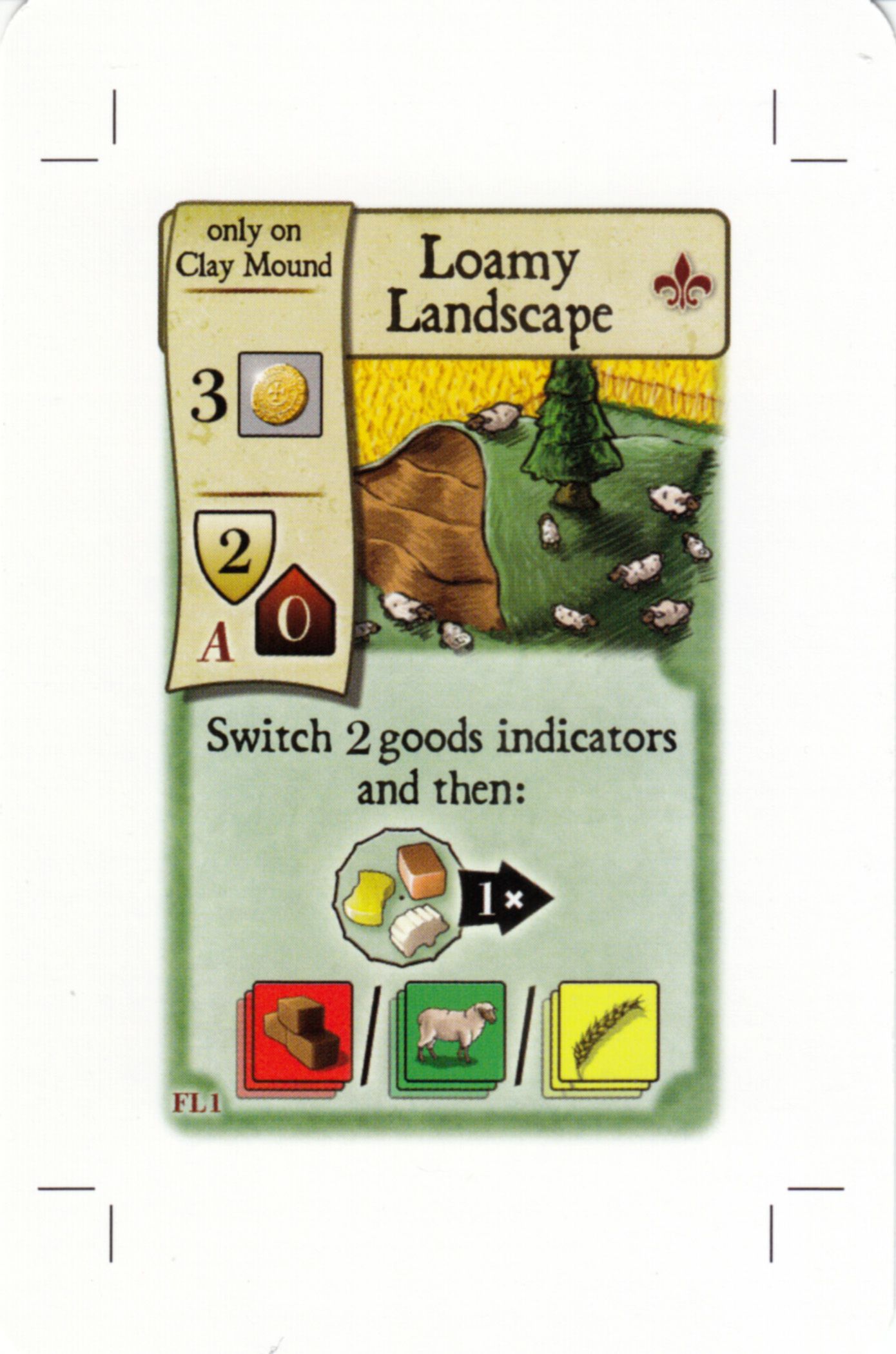
An interesting twist here is the numbered rondel system, which controls resource availability. Each round, the rondel rotates, simultaneously adjusting the quantity of all available resources, which requires careful planning. Each player has a personal game board where they construct their buildings. New constructions emerge throughout the game, and you need to gather the right materials to erect them, always paying attention to terrain restrictions. Some spaces start with obstacles like trees or moors, which need to be cleared for development but, when removed, provide valuable resources.
Your three workers are key to activating actions in buildings. They remain in place until all three are allocated. You can use your own buildings for free, but to access another player's building, you must pay them an entry fee, and they will then use one of their own workers to perform the action for you. This player interaction is a highlight. Ora et Labora also offers two game variants, focused on the regions of France and Ireland, adding even more depth and replayability.
Expansions
Published additional content
Gallery
Box and component photos
Tap any photo to open fullscreen. Photos submitted by the community or publisher.
Rules videos
Learn by watching before you open the box


Rules manual
Official PDF file
Best player count
BGG community vote
Soundtrack
Ambience suggested by Melodice
Where to Buy
Prices monitored daily
Price history — last 6 months (lowest new offer)
As an Amazon Associate I earn from qualifying purchases. Prices and availability subject to change.
Alert enabled!
Join the BoardGamesBot deals group
Get the best board game deals every day — without message spam.
Join the WhatsApp groupGame details
Mechanics, categories, families and credits
Mechanics
Categories
Families
Community
Data from BoardGameGeek
Frequently Asked Questions
Quick answers before you buy
What is the average playtime for Ora et Labora?
How many players can play Ora et Labora?
What is the complexity level of Ora et Labora?
Is Ora et Labora a good game for board game beginners?
What are the main components of the game?
Is there much player interaction in the game?
Are there any expansions for Ora et Labora?
Other Games You'll Like
Based on mechanics and theme