Orapa Mine
Playte, Ghenos Games, Miraludo · Board game · 2024
2–5 · best 2
20–30 min
Weight 1.9/5
Buy · from US$ 18.99
7.1
rating
Ludopedia
7.5
rating
BGG
Our Verdict
RECOMMENDED
Perfect for those who love pure logic and want a quick deduction challenge. The color system is brilliant!
Highlights
- Very clever color logic
- Fast and dynamic gameplay
- Stimulating mental challenge
- Simple and efficient components
Keep in mind
- Requires a lot of note-taking
- Initial learning curve
Rules manual not indexed yet
Upload the PDF rulebook to ask questions about this game with AI.
About the game
What you do in a play session
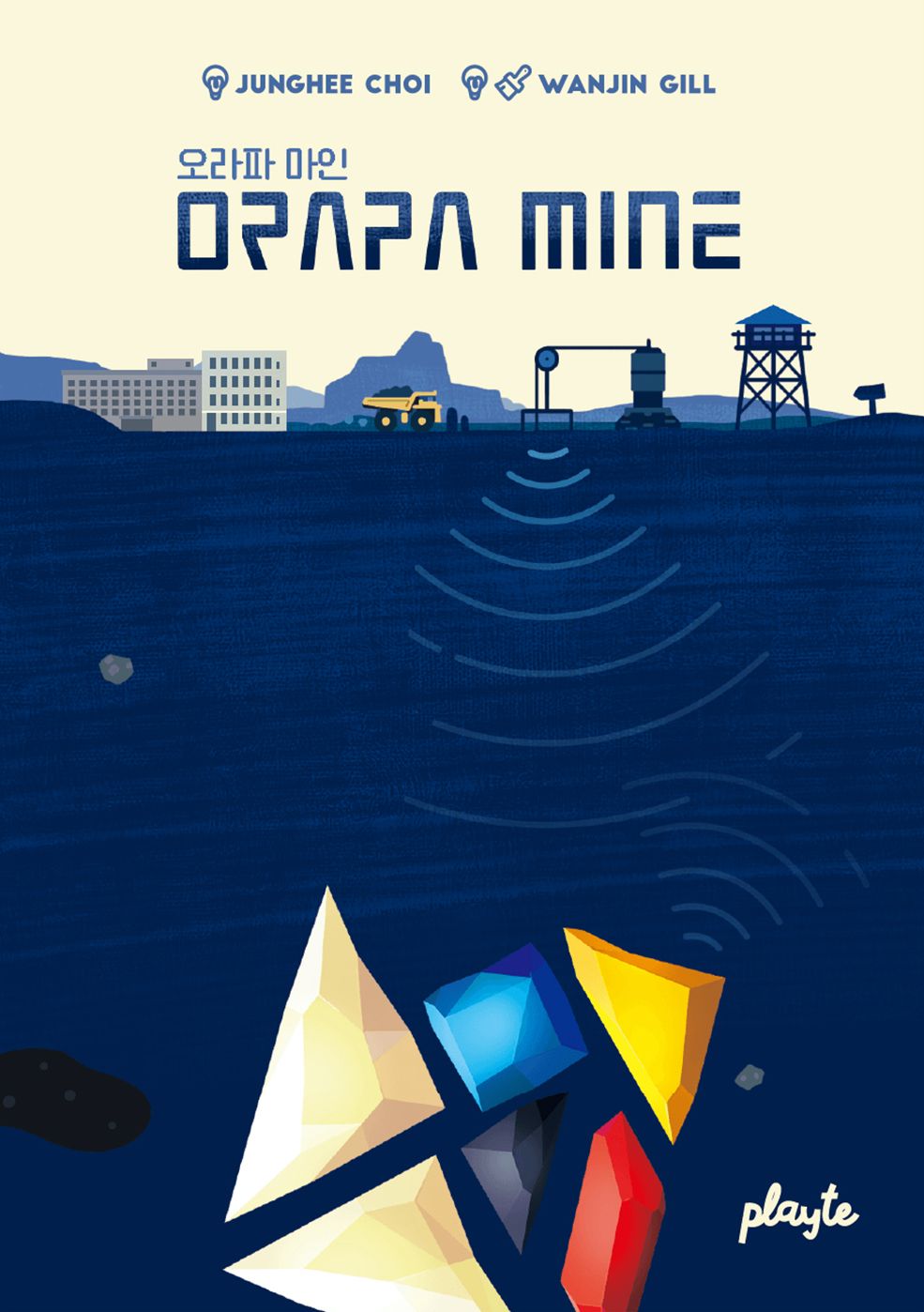
Imagine you are an explorer in a mysterious mine, but there's a catch: you have no idea where the minerals are hidden. That's where the Mine Director comes in. While one player takes the role of the director and secretly places Tangram pieces on the board, the other players try to uncover the location and color of each mineral using 'elastic waves'.
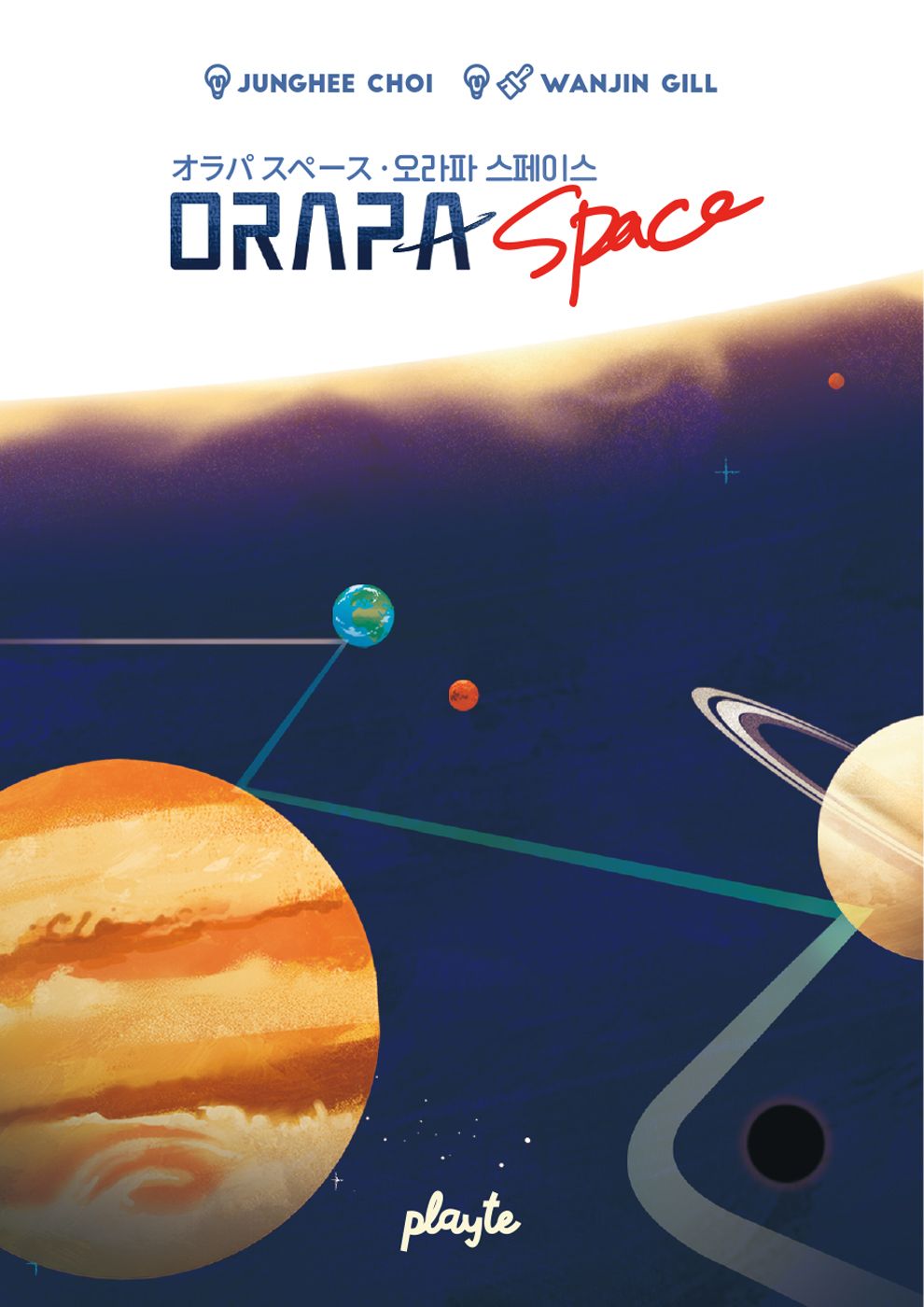
The game takes place on a 10x8 grid. To find out what's inside, you fire elastic waves from the edges of the map. The magic happens with the bounce: the wave travels in a straight line, but when it hits a mineral, it changes direction at a right angle. Depending on the mineral's color, the wave's color changes too. It's almost like 'Battleship', but with reflection physics and color mixing.
The most cerebral part lies in the colors. The wave starts white, but if it hits a red mineral and then a blue one, it exits as violet. Red and yellow make it orange, while blue and yellow turn it green. If the wave hits all three primary colors, it turns black! There is even oil (black), which dissipates the wave, and white minerals, which reflect the wave without changing its color.
The goal is simple yet challenging: be the first to correctly map the position and color of all minerals on your solution sheet. The best part is the constant tension, as you can guess the answer even when it's not your turn, turning the match into a frantic race of logic and note-taking. If you love that 'aha!' moment when the logic finally clicks, Orapa Mine is exactly what you're looking for.
The game takes place on a 10x8 grid. To find out what's inside, you fire elastic waves from the edges of the map. The magic happens with the bounce: the wave travels in a straight line, but when it hits a mineral, it changes direction at a right angle. Depending on the mineral's color, the wave's color changes too. It's almost like 'Battleship', but with reflection physics and color mixing.
The most cerebral part lies in the colors. The wave starts white, but if it hits a red mineral and then a blue one, it exits as violet. Red and yellow make it orange, while blue and yellow turn it green. If the wave hits all three primary colors, it turns black! There is even oil (black), which dissipates the wave, and white minerals, which reflect the wave without changing its color.
The goal is simple yet challenging: be the first to correctly map the position and color of all minerals on your solution sheet. The best part is the constant tension, as you can guess the answer even when it's not your turn, turning the match into a frantic race of logic and note-taking. If you love that 'aha!' moment when the logic finally clicks, Orapa Mine is exactly what you're looking for.
Gallery
Box and component photos
Tap any photo to open fullscreen. Photos submitted by the community or publisher.
Rules videos
Learn by watching before you open the box
In English

Best player count
BGG community vote
2
BEST
3
OK
4
OK
5
OK
Soundtrack
Ambience suggested by Melodice
Loading playlist...
Where to Buy
Prices monitored daily
Finding best prices...
Prices unavailable at this time.
Price history — last 6 months (lowest new offer)
Alert enabled!
Join the BoardGamesBot deals group
Get the best board game deals every day — without message spam.
Join the WhatsApp groupGame details
Mechanics, categories, families and credits
Mechanics
Categories
Families
Publisher
Playte, Ghenos Games, Miraludo, Nice Game Publishing, Old Dawg
Designer
Junghee Choi, Wanjin Gill
Artist
Wanjin Gill
Community
Data from BoardGameGeek
3,169owners
1,185wishlist
168want to play
Frequently Asked Questions
Quick answers before you buy
Is the game complex to learn?
The basic logic is simple, but understanding how colors mix and how waves bounce takes a few minutes of focus. Once you get the hang of it, it flows perfectly!
How long does a game last?
It's quite fast, usually between 20 and 30 minutes, making it great for playing several rounds in a row.
How many people can play?
From 2 to 5 players. One takes the role of the director, and the others are the explorers.
Does it require extra materials?
The game uses solution sheets and pencils, so be ready to take plenty of notes while deciphering the mine.
Is it suitable for children?
Yes, it's excellent for stimulating logical reasoning and color perception, making it a great educational option.
Other Games You'll Like
Based on mechanics and theme