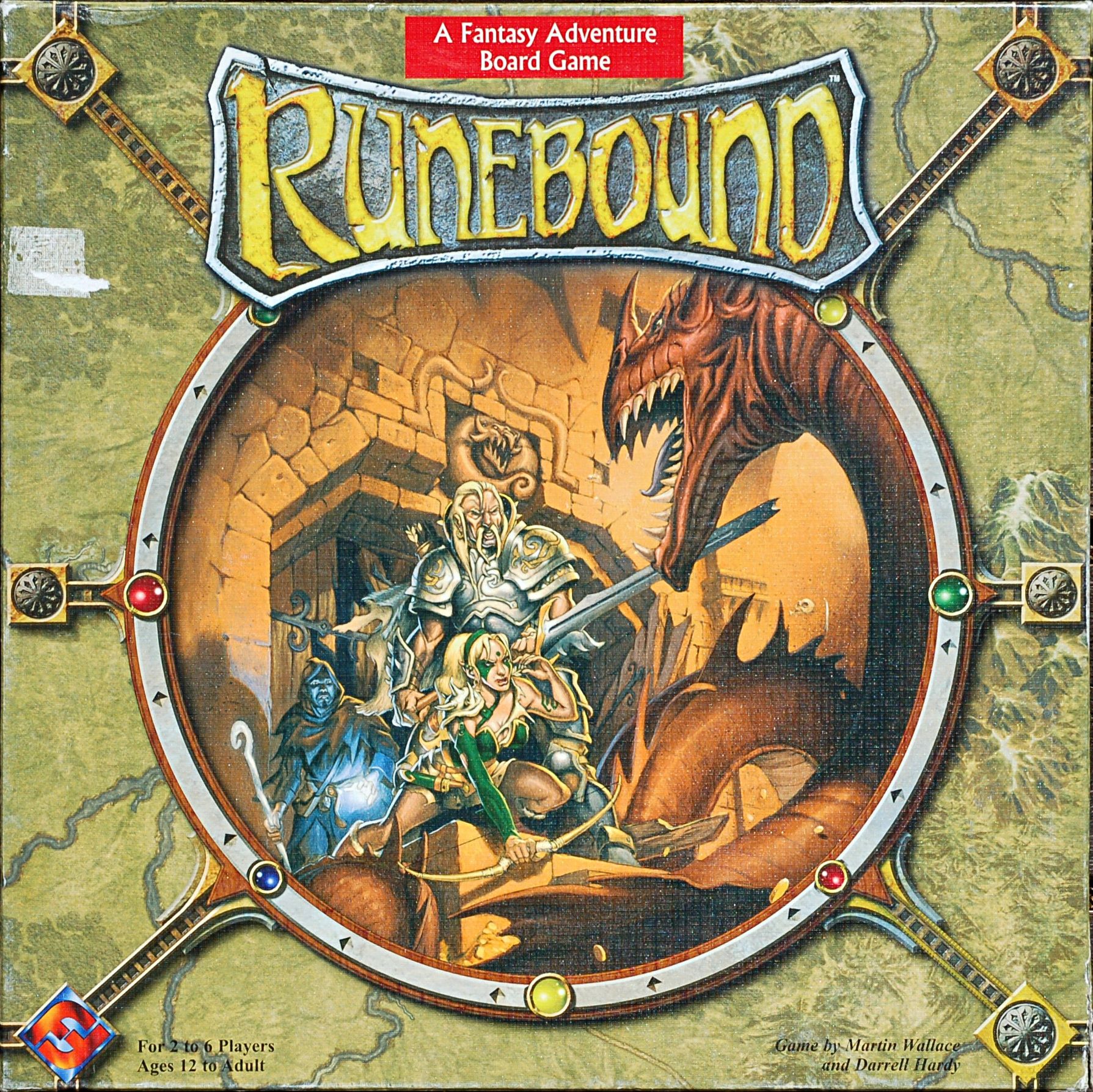
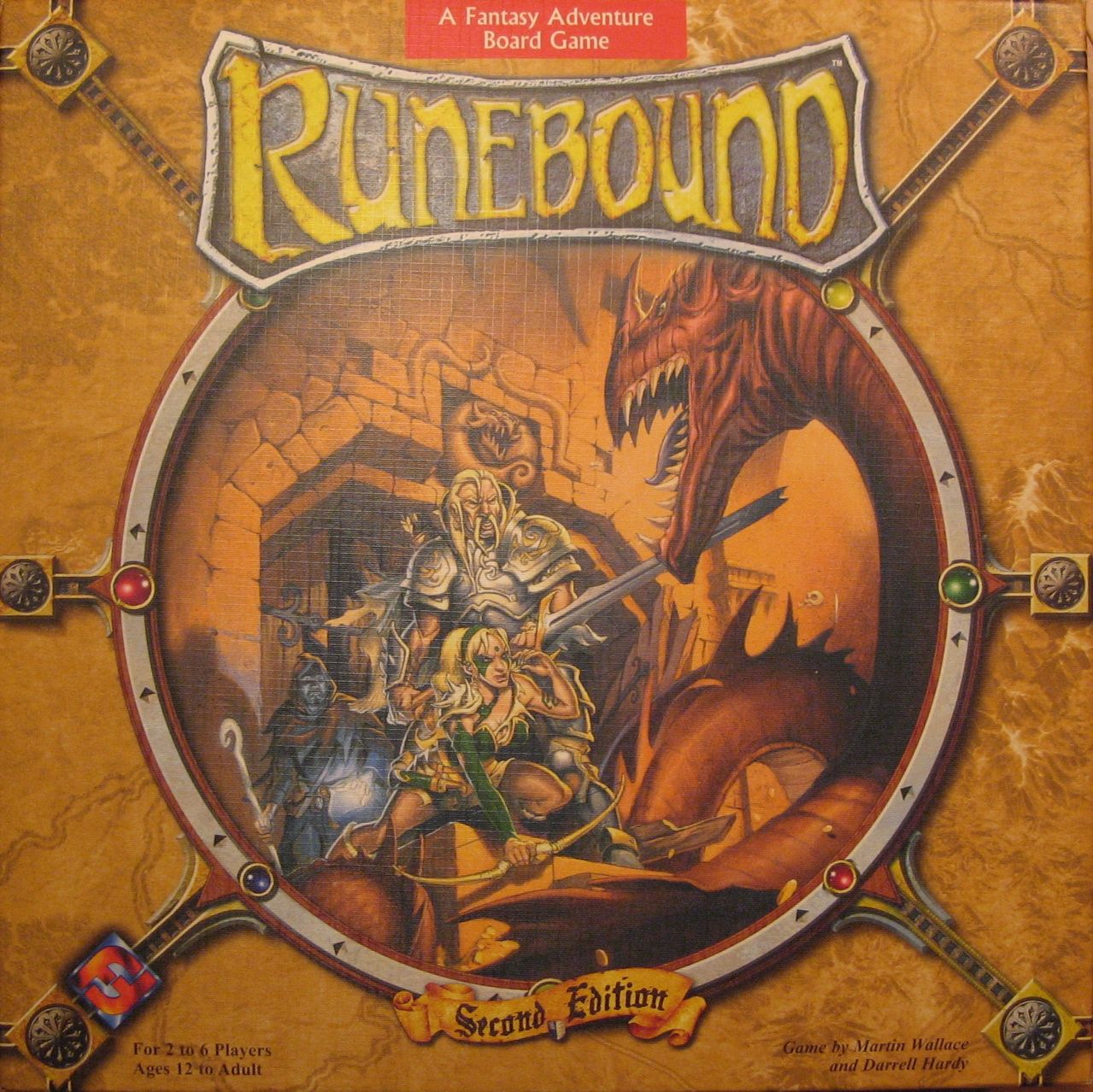
If you enjoy a good fantasy adventure with exploration and character progression, Runebound (first edition) is a real treat! It's the kind of game that makes you feel the hero's journey, from a beginner to a powerful dragon slayer. The experience is more about your own saga in Terrinoth than about beating up your friends, which is great for those who prefer a cooperative (but competitive for the final goal) race to see who gets there first. Get ready to roll lots of dice and dive into a world full of dangers and rewards!
thumb_up
Highlights
check_circle
Epic and immersive adventure
check_circle
Satisfying character progression
check_circle
Dynamic map exploration
check_circle
Phased tactical combat
check_circle
Engaging fantasy setting
warning_amber
Keep in mind
report_problem
High reliance on dice luck
report_problem
Can be long for some
report_problem
Older edition, hard to find
upload_file
Rules manual not indexed yetUpload the PDF rulebook to ask questions about this game with AI.
info
About the game
What you do in a play session
Get ready for an epic journey in Terrinoth with Runebound, a classic adventure game from Fantasy Flight Games! Here, you and your friends take on the roles of mighty heroes, ready to face dangers and challenges in a fantasy world. While the game doesn't focus on direct player-versus-player conflict, the race for victory is intense: the first to defeat the formidable Dragonlord Margath claims glory. This means the strategy is to level up your character, acquiring increasingly powerful weapons, armor, and allies to prepare for the final confrontation.
Runebound stands out with its system of four Adventure Decks, which dictate the game's pace and ensure heroes gain experience gradually before facing more sinister challenges, such as powerful events and monsters. Combat is divided into three distinct phases – Ranged, Melee, and Magic – allowing you to specialize in a specific discipline, though this might leave you vulnerable to certain creatures. Movement across the board is quite charming, using terrain dice that add a touch of unpredictability to your journey. Interestingly, the first edition from 2004, which used a d20, was quickly updated to the second edition in 2005, replacing the d20 with two 10-sided dice, which helped better balance the luck factor. Oh, and yes, you can play Runebound solo!
photo_library
Gallery
Box and component photos
11 photos · from the community
01 / 11
Tap any photo to open fullscreen. Photos submitted by the community or publisher.
groups
Best player count
BGG community vote
2–6 players
2
REC
3
BEST
4
BEST
5
OK
6
OK
BestRecommendedWorks
music_note
Soundtrack
Ambience suggested by Melodice
music_noteLoading playlist...
sell
Where to Buy
Prices monitored daily
shopping_cartFinding best prices...
US$
infoPrices unavailable at this time.
Price history — last 6 months (lowest new offer)
notifications_active
Alert enabled!
Join the BoardGamesBot deals group
Get the best board game deals every day — without message spam.
Components: Polyhedral (not D6) diceOccupation: Adventurer / ExplorerSeries: Runebound (Fantasy Flight Games)Setting: The Realms of Terrinoth
businessPublisherFantasy Flight Games
editDesignerDarrell Hardy, Martin Wallace
paletteArtistJesper Ejsing, John Goodenough, Kurt Miller
groups_2
Community
Data from BoardGameGeek
1,914owners
185wishlist
30want to play
quiz
Frequently Asked Questions
Quick answers before you buy
6 questions
What is the average playtime for a game of Runebound (First Edition)? expand_more
A game of Runebound typically lasts between 120 and 180 minutes, meaning 2 to 3 hours. It's a longer game, ideal for an afternoon or evening dedicated to adventure.
How many players can participate? expand_more
Runebound (First Edition) is designed for 2 to 6 players, but it also offers a solo play option. It's quite versatile for different group sizes!
What is the game's complexity level? expand_more
The game has a BGG weight of 2.52/5, which places it in the medium complexity category. It's not super simple, but it's not overly complex either. Ideal for those who already have some experience with board games.
What are the main components of the game? expand_more
You'll find a modular map board, adventure and event cards, item and ally cards, experience and gold tokens, hero miniatures, and, of course, many dice, including terrain dice for movement and polyhedral dice for combat.
Is there a lot of luck involved in the game? expand_more
Yes, dice rolling is a central mechanic for both movement and combat, so there's a significant element of luck. The first edition used a d20, which was replaced by two d10s in the second edition to try and balance the luck factor a bit more.
Who is Runebound (First Edition) recommended for? expand_more
It's highly recommended for fans of adventure and fantasy games who enjoy exploration, character progression, and a good story. If you like the idea of leveling up a hero to face a final boss and don't mind longer games with a bit of luck, this is for you!