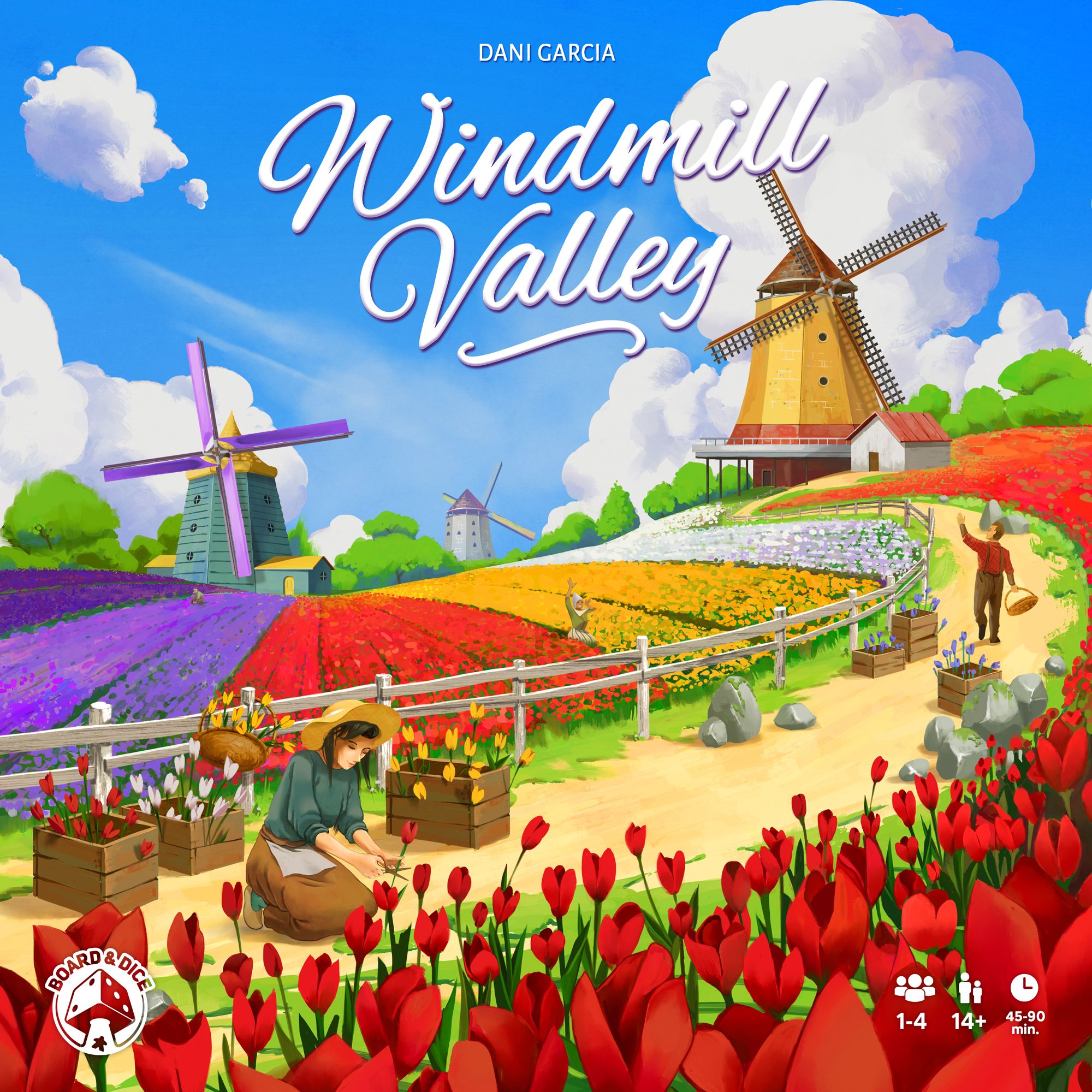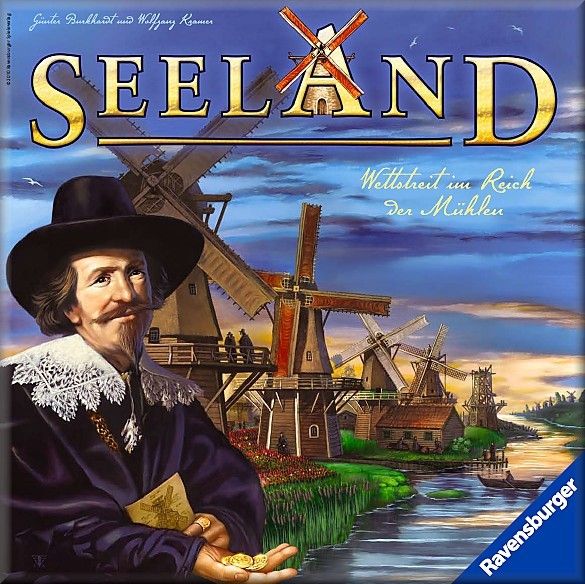
Seeland is a charming game that lets you expand land in 17th-century Holland. If you enjoy games with rondels, tile placement, and an economic touch, you'll love this point-scoring contest!
- Interesting rondel mechanic
- Tactical tile placement
- Immersive historical theme
- Good for families
- Scoring can be tricky
- Limited direct interaction
About the game
What you do in a play session
The game board is divided into three main sections: a scoring track around the edge, a rondel for collecting seed tiles (like cabbage, rapeseed, and tulips) and windmill tiles, and the central land area where you'll place these tiles to score points. Setup involves randomly placing some 'island' tiles on the map, and you begin by placing your initial windmill pawn in the center.
The rondel has a unique way of offering tiles: when you choose a seed tile, it must be placed adjacent to one of your windmill pawns. If you opt for a windmill tile, it goes on an empty space next to an already placed tile. Each tile has a victory point value, and surrounding a windmill with other tiles is key to scoring. The scoring system is nuanced: having at least two types of adjacent seeds earns points, with a bonus if all three types are present. Placing a windmill near island tiles allows you to flip them, revealing seeds or even farms, which can grant you a coin for an immediate extra turn!
The game progresses towards its end when either the supply of seed tiles or windmill tiles is exhausted. The player with the most points at the end, including any potential endgame bonuses, wins this contest for Seeland's expansion.
Gallery
Box and component photos
Tap any photo to open fullscreen. Photos submitted by the community or publisher.
Best player count
BGG community vote
Soundtrack
Ambience suggested by Melodice
Where to Buy
Prices monitored daily
Price history — last 6 months (lowest new offer)
As an Amazon Associate I earn from qualifying purchases. Prices and availability subject to change.
Alert enabled!
Join the BoardGamesBot deals group
Get the best board game deals every day — without message spam.
Join the WhatsApp groupGame details
Mechanics, categories, families and credits
Mechanics
Categories
Families
Community
Data from BoardGameGeek
Frequently Asked Questions
Quick answers before you buy
What is the complexity of Seeland?
How many people can play Seeland and how long does it take?
Who is Seeland best suited for?
Is the player interaction high in Seeland?
Are there many pieces and components?
Is Seeland a fast-paced or more strategic game?
Other Games You'll Like
Based on mechanics and theme