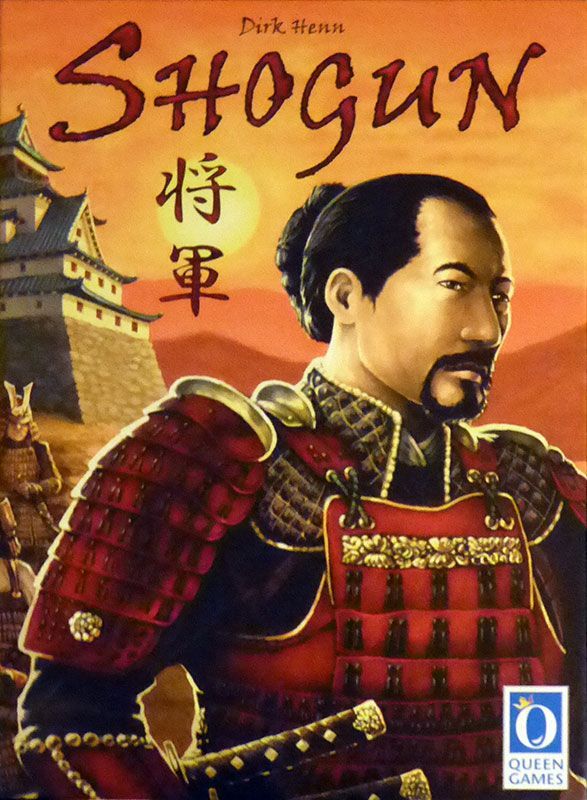
Shogun
Queen Games, Enigma (Bergsala Enigma), G3 · Board game · 2006What do you want to do now
Ask anything about Shogun: rules, setup, components, complexity, price, or whether it fits your group.
If you enjoy a good strategic challenge with a touch of luck and intense territorial disputes, Shogun is a perfect fit for dominating feudal Japan.
- Deep strategy and planning
- Unique Cube Tower mechanic
- Immersive feudal Japan theme
- Exciting, tense battles
- Challenging area control
- Can have significant downtime
- Tower luck can be frustrating
- Initial learning curve
About the game
What you do in a play session
Each round is a strategic challenge. You'll have 10 different actions at your disposal to develop your kingdom and secure points, such as building castles, temples, and theaters, which are crucial for the final score. The big twist is that you need to decide which actions to execute and in which provinces, planning your moves in advance.
But the life of a Daimyo isn't just peace and prosperity! When rival armies meet, battle is inevitable, and that's where the iconic Cube Tower comes into play. Cubes representing troops from both sides are thrown into the tower, and those that fall out at the bottom instantly determine the winner. This unique mechanic adds an element of unpredictability and excitement to each confrontation, making every battle a surprise. Shogun is an international edition with language-independent components, which makes it easier for everyone at the table. Based on the Wallenstein game system, Shogun offers an experience of area control, action planning, and resource management that will test your strategic skills to the fullest.
Expansions
Published additional content

Gallery
Box and component photos
Tap any photo to open fullscreen. Photos submitted by the community or publisher.
Rules videos
Learn by watching before you open the box


Rules manual
Official PDF file
Best player count
BGG community vote
Soundtrack
Ambience suggested by Melodice
Where to Buy
Prices monitored daily
Price history — last 6 months (lowest new offer)
As an Amazon Associate I earn from qualifying purchases. Prices and availability subject to change.
Alert enabled!
Join the BoardGamesBot deals group
Get the best board game deals every day — without message spam.
Join the WhatsApp groupGame details
Mechanics, categories, families and credits
Mechanics
Categories
Families
Community
Data from BoardGameGeek
Frequently Asked Questions
Quick answers before you buy
How many players does Shogun support and what is the playing time?
What is the complexity level of Shogun?
Is the Cube Tower too random? Does it affect strategy?
Is Shogun a good game for someone just starting with heavier board games?
What are the main objectives for scoring points in the game?
Does Shogun have any language dependence in its components?
Other Games You'll Like
Based on mechanics and theme