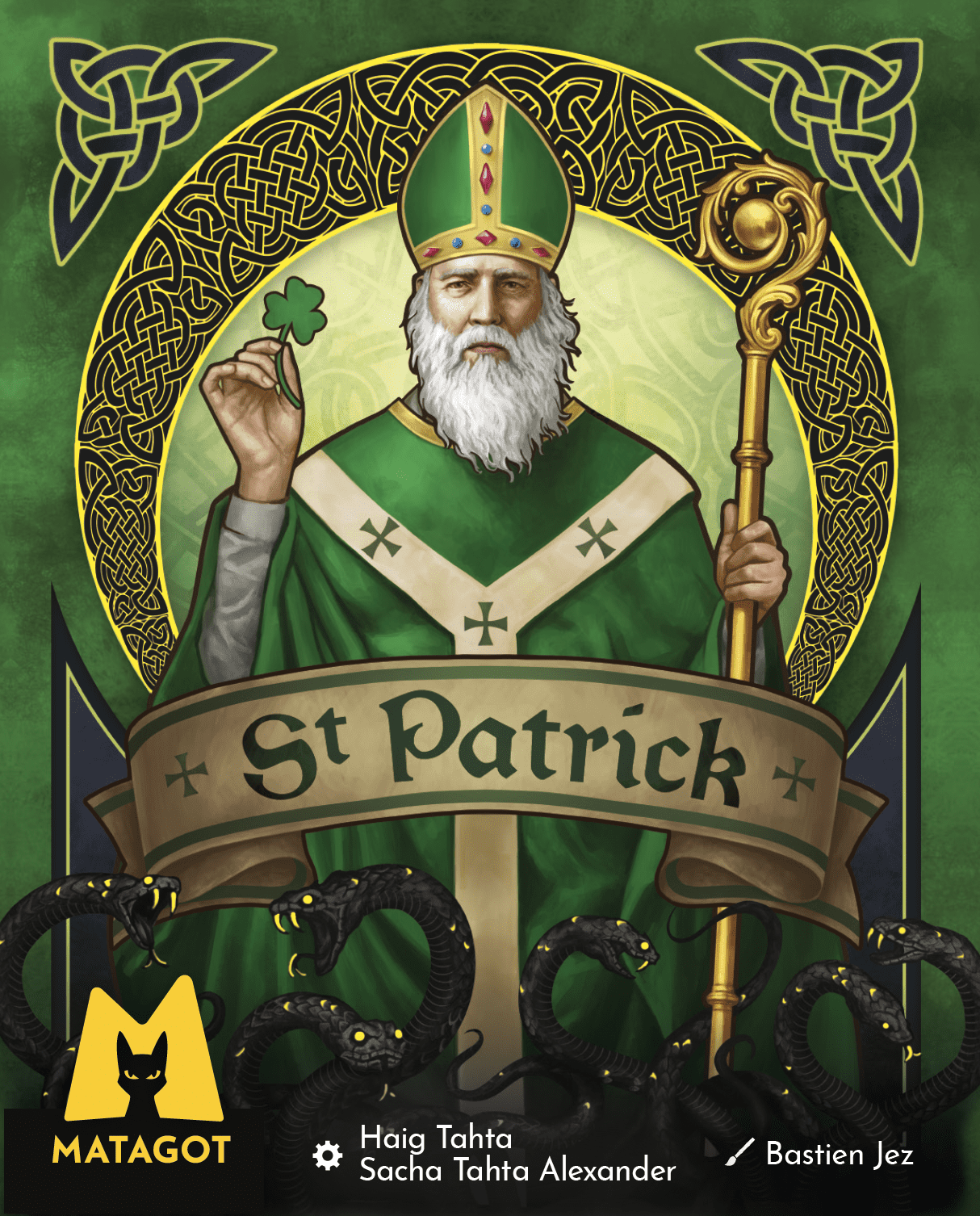
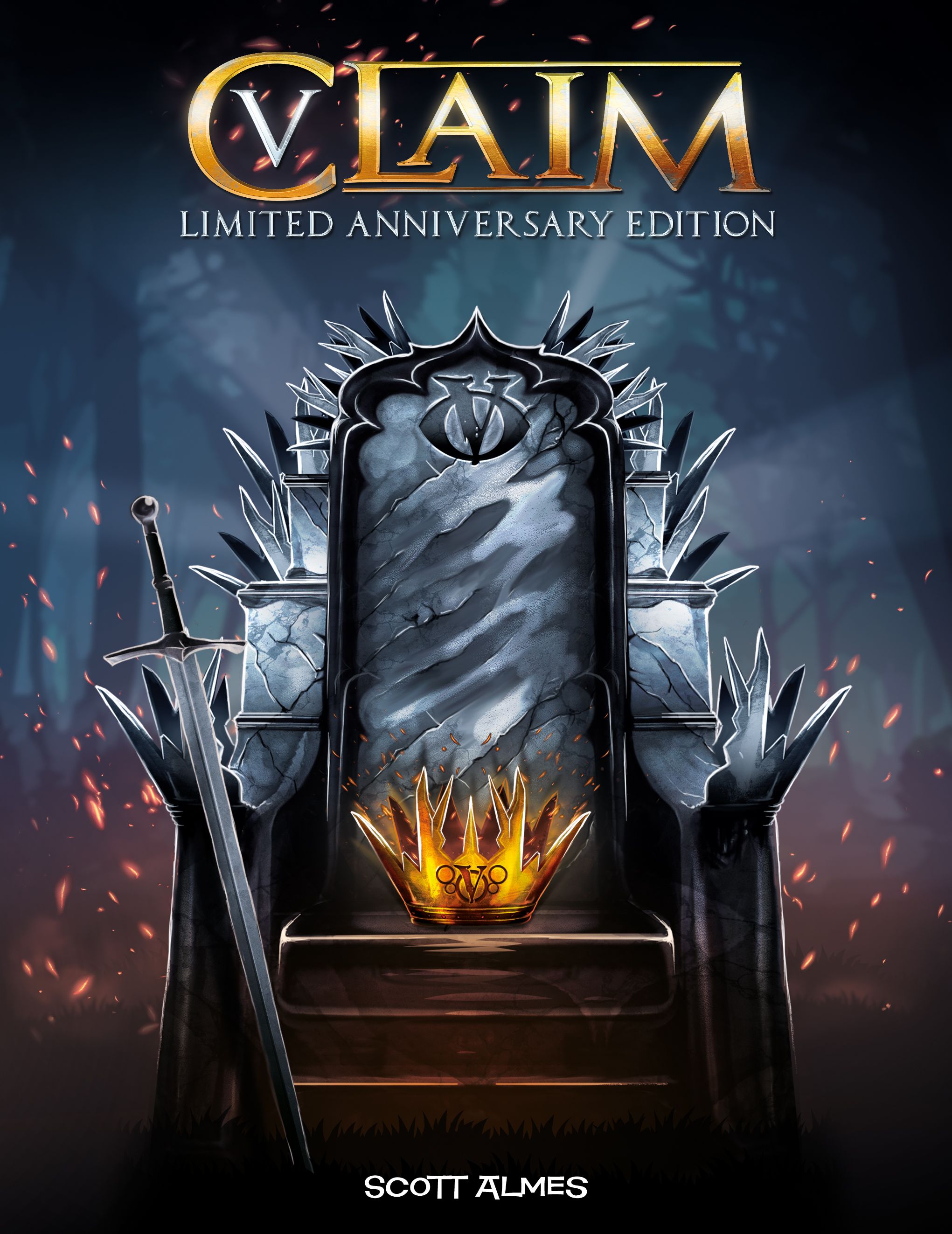
If you enjoy card games that blend trick-taking with a dash of risk and the thrill of bidding, St. Patrick is for you! It's fast, straightforward, and makes you ponder if it's worth taking the gamble.
thumb_up
Highlights
check_circle
Engaging bidding strategy
check_circle
Fast-paced and dynamic
check_circle
Tension in every round
check_circle
Easy-to-learn rules
warning_amber
Keep in mind
report_problem
Theme might not appeal
report_problem
Luck plays a significant role
report_problem
Limited direct player interaction
upload_file
Rules manual not indexed yetUpload the PDF rulebook to ask questions about this game with AI.
info
About the game
What you do in a play session
Hey folks! Ready for a card game that makes you think and take risks? St. Patrick, formerly known as Salvage, is one of those games that keeps you hooked from start to finish. The idea is simple: everyone starts with 20 life points, and the goal is to be the last one standing, or rather, with the most points when the game ends. Here's how it works: before each round, you take a look at your cards and make a bid of how many points you're willing to lose to not play that specific hand. It's like insurance! If you lose fewer points than you bid, great, the damage is less. But if everyone gets carried away and the combined bids match the total damage the game can inflict, things get intense, and everyone loses what they bid. And the theme? Well, forget the burning oil tanker from the original Salvage. Now we're in the St. Patrick's Day spirit, dodging snakes and using relics to avoid getting bitten. It's a trick-taking game with a dash of bidding and push-your-luck that's a bit like Hearts and Oh Hell, but with that "should I risk it more?" vibe that makes everything more exciting. With quick playtime, it's perfect for those who want something strategic without the fuss. Ready to test your luck and strategy?
photo_library
Gallery
Box and component photos
11 photos · from the community
01 / 11
Tap any photo to open fullscreen. Photos submitted by the community or publisher.
groups
Best player count
BGG community vote
3–4 players
3
REC
4
BEST
BestRecommendedWorks
music_note
Soundtrack
Ambience suggested by Melodice
music_noteLoading playlist...
sell
Where to Buy
Prices monitored daily
shopping_cartFinding best prices...
US$
infoPrices unavailable at this time.
Price history — last 6 months (lowest new offer)
As an Amazon Associate I earn from qualifying purchases. Prices and availability subject to change.
notifications_active
Alert enabled!
Join the BoardGamesBot deals group
Get the best board game deals every day — without message spam.
What is the average playtime for St. Patrick? expand_more
A game of St. Patrick typically lasts between 20 to 40 minutes, depending on the number of players and how quickly they decide their bids.
How many players can participate? expand_more
The game is designed for 3 to 4 players, which ensures a good dynamic in the bidding and trick-taking rounds.
Is St. Patrick a difficult game to learn? expand_more
No, the rules are quite straightforward! The game combines familiar mechanics like trick-taking and bidding, making it quick to learn for most players.
What is the main objective of the game? expand_more
The objective is to be the player with the highest score when one of the players reaches 0 points. You need to manage your points and decide when to take risks.
Is the St. Patrick theme important to the rules? expand_more
The theme has been adapted to St. Patrick, with elements of snakes and relics, but the core mechanics revolve around point management and bidding, serving more as flavor than a central element for the rules.
Is this a game for players who enjoy a lot of interaction? expand_more
The interaction is more indirect, focusing on the bids and how they affect everyone's game. Don't expect direct confrontations, but rather a strategic point competition.