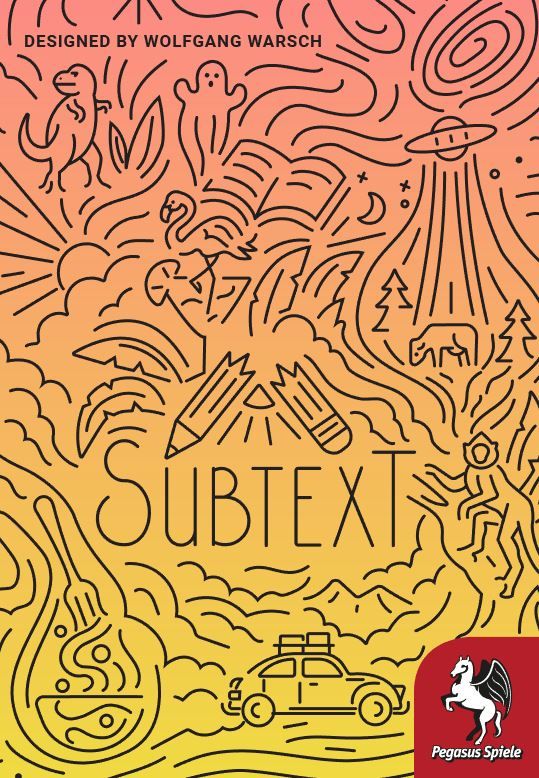
Subtext
Edition Spielwiese, Act in games, Broadway Toys LTD · Board game · 2019
4–8 · best 6
20–40 min
Weight 1.3/5
Buy · from US$ 25.35
—
rating
Ludopedia
6.5
rating
BGG
Our Verdict
RECOMMENDED
Party game fans who love deduction and questionable art will adore Subtext. It turns doodles into pure strategy!
Highlights
- Guaranteed fun with bad drawings
- Simple yet nuanced mechanics
- Perfect for loud, large groups
Keep in mind
- Requires some verbal/visual creativity
- May frustrate players wanting concrete rules
Rules manual not indexed yet
Upload the PDF rulebook to ask questions about this game with AI.
About the game
What you do in a play session
Subtext is that party game where your artistic skills matter less than your cleverness. Each round, one player becomes the 'dealer' and gets a secret word. This word is shuffled with others' cards — only one lucky (or unlucky?) player will have the same one. The dealer draws a clue, but here's the twist: the drawing must be smart enough that only the secret partner understands it, while others are left clueless. Then, everyone votes on who they think the partner is. Points go to those who fooled the crowd or guessed correctly. Want a challenge? Try being just vague enough that only your ally gets it, but not so vague that even they miss the hint. Pro tip: abstract doodles and visual metaphors are your best friends. Perfect for deduction game lovers who aren’t ashamed of bad drawings — or laughing at others' attempts.
Gallery
Box and component photos
Tap any photo to open fullscreen. Photos submitted by the community or publisher.
Rules videos
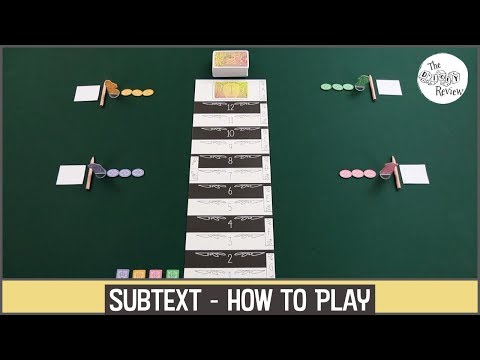
Learn by watching before you open the box
In English
Best player count
BGG community vote
4
OK
5
REC
6
BEST
7
BEST
8
OK
Soundtrack
Ambience suggested by Melodice
Loading playlist...
Where to Buy
Prices monitored daily
Finding best prices...
Prices unavailable at this time.
Price history — last 6 months (lowest new offer)
Alert enabled!
Join the BoardGamesBot deals group
Get the best board game deals every day — without message spam.
Join the WhatsApp groupGame details
Mechanics, categories, families and credits
Mechanics
Categories
Families
Publisher
Edition Spielwiese, Act in games, Broadway Toys LTD, Buly Games, Compaya.hu: Gamer Café Kft., Pegasus Spiele, Stronghold Games
Designer
Wolfgang Warsch
Community
Data from BoardGameGeek
Frequently Asked Questions
Quick answers before you buy
How many players can play?
4 to 8 — the more, the merrier (and crazier)!
Do you need to be good at drawing?
Nope! Even abstract scribbles can be brilliant if they’re strategic.
How long does a game last?
20 to 40 minutes, depending on group size and creative crises.
Is it easy to learn?
Yes, rules are simple, but mastering subtle clues takes practice.
Does it work with kids?
Ages 10+, as it requires some abstraction and strategy.
Do you need pencils and paper?
Yes, but any notebook or even napkins will do in a pinch!
Other Games You'll Like
Based on mechanics and theme