The Fox Experiment — Price & soundtrack
Pandasaurus Games, Evrikus, Giochi Uniti · Board game · 2023
1–4 · best 4
Solo
60 min
Weight 2.6/5
Buy · from US$ 34.99
7.9
rating
Ludopedia
7.3
rating
BGG
Our Verdict
RECOMMENDED
A great fit for those who love roll-and-write games with an educational and cute theme.
Highlights
- Engaging real-world scientific theme
- Fluid generation succession mechanic
- Modern and practical components
- Nice balance of luck and strategy
Keep in mind
- Reliance on dice luck
- Might feel repetitive for veterans
Rules manual not indexed yet
Upload the PDF rulebook to ask questions about this game with AI.
About the game
What you do in a play session
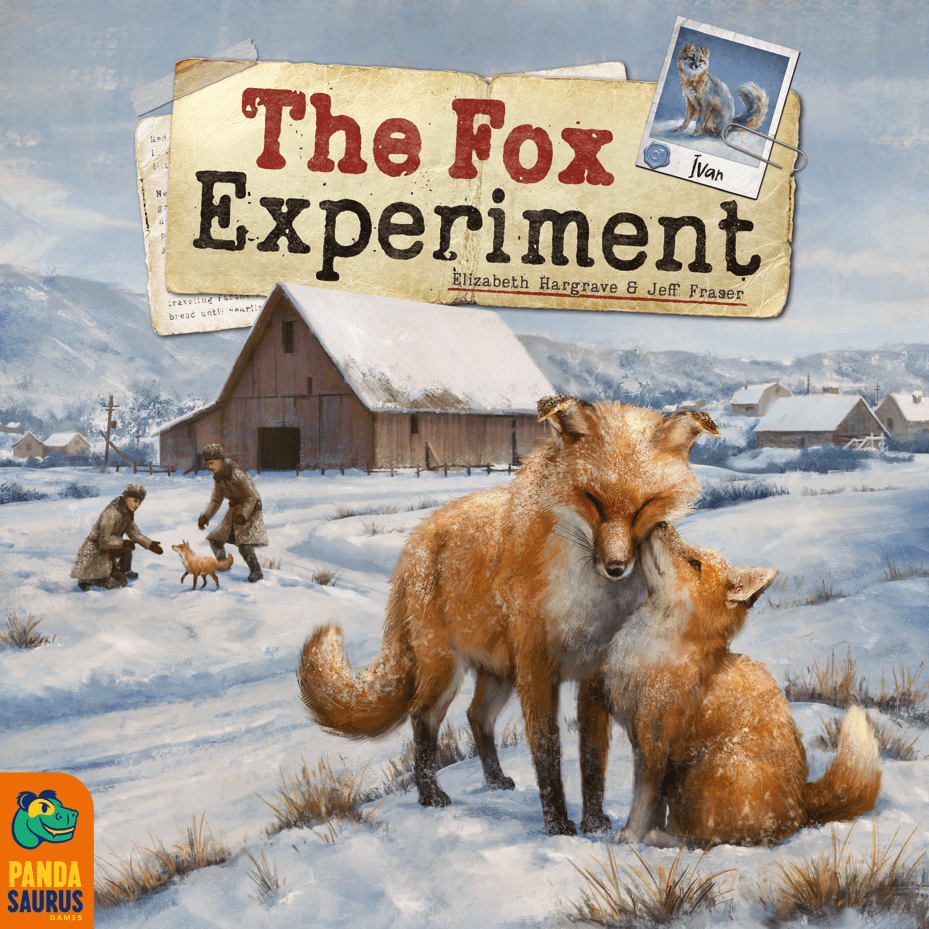
Ever heard of the real-life experiment where scientists tried to domesticate foxes by selecting for friendliness? The Fox Experiment turns this fascinating scientific journey into a board game! You step into the shoes of a breeder, aiming to turn wild foxes into docile companions, discovering how friendliness leads to unexpected physical changes, like floppy ears and curly tails.
The gameplay is a clever 'roll-and-write' experience. Each round, you select a pair of fox parents for the next generation. These parents provide specific trait dice. You roll them and manipulate the results to complete trait symbols on your pup's card. The more traits you mark off, the more trait tokens you earn, which are used to upgrade tracks on your personal player board, increasing your efficiency.
It's a constant cycle: today's pups become tomorrow's parents, creating a lineage of domestication. The game lasts 5 rounds, and final scoring comes from several sources: pleasing patrons (end-game bonuses), completing scientific studies (personal goals), winning the 'friendliest fox' award, and your board upgrades. It's the perfect blend of dice luck, resource management, and long-term planning.
If you enjoy biology themes and sheet-filling mechanics, this is right up your alley. It's light enough for a family game night but offers enough optimization layers to satisfy strategic players. Grab your dry-erase marker, pick your breeders wisely, and try to raise the cutest, friendliest pup of the litter!
The gameplay is a clever 'roll-and-write' experience. Each round, you select a pair of fox parents for the next generation. These parents provide specific trait dice. You roll them and manipulate the results to complete trait symbols on your pup's card. The more traits you mark off, the more trait tokens you earn, which are used to upgrade tracks on your personal player board, increasing your efficiency.
It's a constant cycle: today's pups become tomorrow's parents, creating a lineage of domestication. The game lasts 5 rounds, and final scoring comes from several sources: pleasing patrons (end-game bonuses), completing scientific studies (personal goals), winning the 'friendliest fox' award, and your board upgrades. It's the perfect blend of dice luck, resource management, and long-term planning.
If you enjoy biology themes and sheet-filling mechanics, this is right up your alley. It's light enough for a family game night but offers enough optimization layers to satisfy strategic players. Grab your dry-erase marker, pick your breeders wisely, and try to raise the cutest, friendliest pup of the litter!
Gallery
Box and component photos
Tap any photo to open fullscreen. Photos submitted by the community or publisher.
Rules videos
Learn by watching before you open the box


Best player count
BGG community vote
1
REC
2
REC
3
BEST
4
BEST
Soundtrack
Ambience suggested by Melodice
Loading playlist...
Where to Buy
Prices monitored daily
Finding best prices...
Prices unavailable at this time.
Price history — last 6 months (lowest new offer)
Alert enabled!
Join the BoardGamesBot deals group
Get the best board game deals every day — without message spam.
Join the WhatsApp groupGame details
Mechanics, categories, families and credits
Mechanics
Categories
Families
Publisher
Pandasaurus Games, Evrikus, Giochi Uniti, Reflexshop
Designer
Elizabeth Hargrave, Jeff Fraser
Artist
Joe Shawcross, Marco Fornaciari
Community
Data from BoardGameGeek
7,679owners
1,914wishlist
197want to play
Frequently Asked Questions
Quick answers before you buy
Is the game hard to learn?
Not at all! It's very intuitive with minimal text, making it great for family game nights.
Can I play it solo?
Yes, the game includes solo rules, allowing you to challenge your own domestication records.
How long does a game take?
Usually around 60 minutes, depending on how fast the players move.
Do I need extra materials to play?
No, the game comes with all the necessary dry-erase surfaces and markers.
What is the recommended age?
It's suggested for players 10-12 and up, but adults who enjoy light strategy will love it.
Does luck heavily influence the outcome?
Dice bring randomness, but the strategy lies in how you manipulate the results and which parents you select.
Other Games You'll Like
Based on mechanics and theme