The Great Battles of Alexander
GMT Games · Board game · 1991- Ludopedia
- BoardGameGeek
- Players
- 1–2 · best 2
- Players
- Solo
- Play Time
- 240 min
- Weight
- Weight 3.4/5
- Year
- Year 1991
- Minimum age
- Minimum age 12+
A masterclass in military history that delivers a deep, realistic tactical simulation experience. The system shines by rewarding smart maneuvering and unit quality rather than just sheer numbers. It is an intense experience for two players, requiring patience and dedication to master the rules. If you love the classical era, this is an essential addition to your collection.
- High-fidelity historical simulation
- Tactical system focused on maneuvers
- Well-adapted historical scenarios
- Deep strategy for two players
- Steep learning curve
- Long and complex sessions
- Visuals feel dated by modern standards
About the game
What you do in a play session
The game comes packed with four of the most iconic battles of Alexander's career: Chaeronea, Granicus, Issus, and the epic Gaugamela. Each scenario is designed to highlight the development of the Macedonian Art of War, allowing you to experience how these forces adapted to different challenges. You can play each battle individually, which is great for a focused session, or, if you are feeling ambitious, you can link them all into an epic campaign. The mechanics use a classic wargame system with a hexagonal grid, movement points, and zones of control, all tied together by a combat results table that rewards those who understand the importance of terrain and logistics.
It is a dense title, designed for two players looking for a serious and deep simulation experience. The learning curve might be a challenge for those not used to traditional wargames, but the reward is a historical immersion hard to find elsewhere. If you enjoy analyzing supply lines, flanking, and the impact of troop morale, this game is your playground. Be prepared to dedicate a few hours, as each match is an intense mental exercise where every decision can change the course of ancient history. It is, without a doubt, a fundamental piece in the collection of any military simulation enthusiast.
Gallery
Box and component photos
Tap any photo to open fullscreen. Photos submitted by the community or publisher.
Best player count
BGG community vote
Soundtrack
Ambience suggested by Melodice
Where to Buy
Prices monitored daily
Price history — last 6 months (lowest new offer)
As an Amazon Associate I earn from qualifying purchases. Prices and availability subject to change.
Alert enabled!
Join the BoardGamesBot deals group
Get the best board game deals every day — without message spam.
Join the WhatsApp groupGame details
Mechanics, categories, families and credits
Mechanics
Categories
Families
Community
Data from BoardGameGeek
Frequently Asked Questions
Quick answers before you buy
Is this game good for wargame beginners?
How long does a session take?
Can I play it solo?
Is the game heavily luck-based?
How complex are the rules?
Other Games You'll Like
Based on mechanics and theme
 The Great Battles of Alexander: Macedonian Art of War
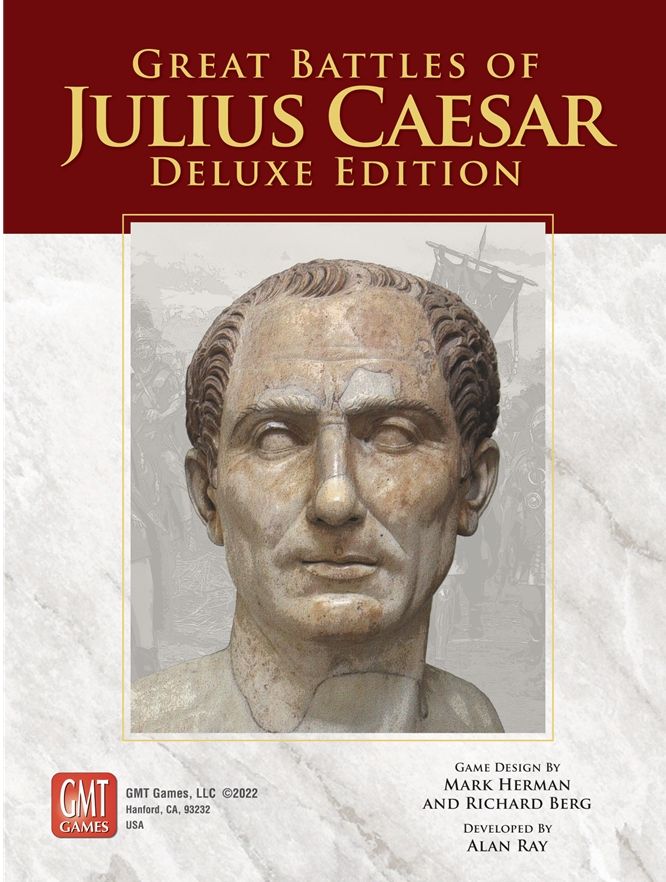 Great Battles of Julius Caesar: Deluxe Edition
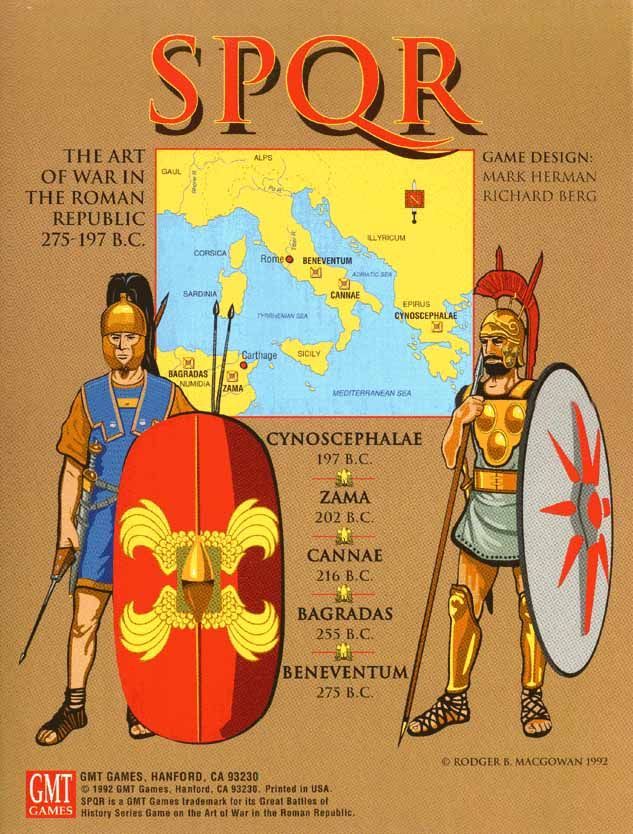 SPQR
 The Great Battles of Alexander: Deluxe Edition
 Hoplite: Warfare in the Greco-Persian Age 5th-4th Century BC
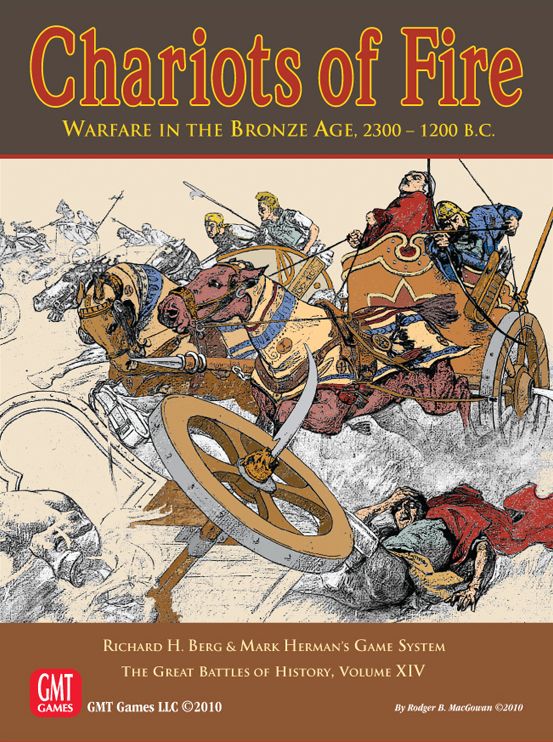 Chariots of Fire: Warfare in the Bronze Age, 2300-1200 B.C.
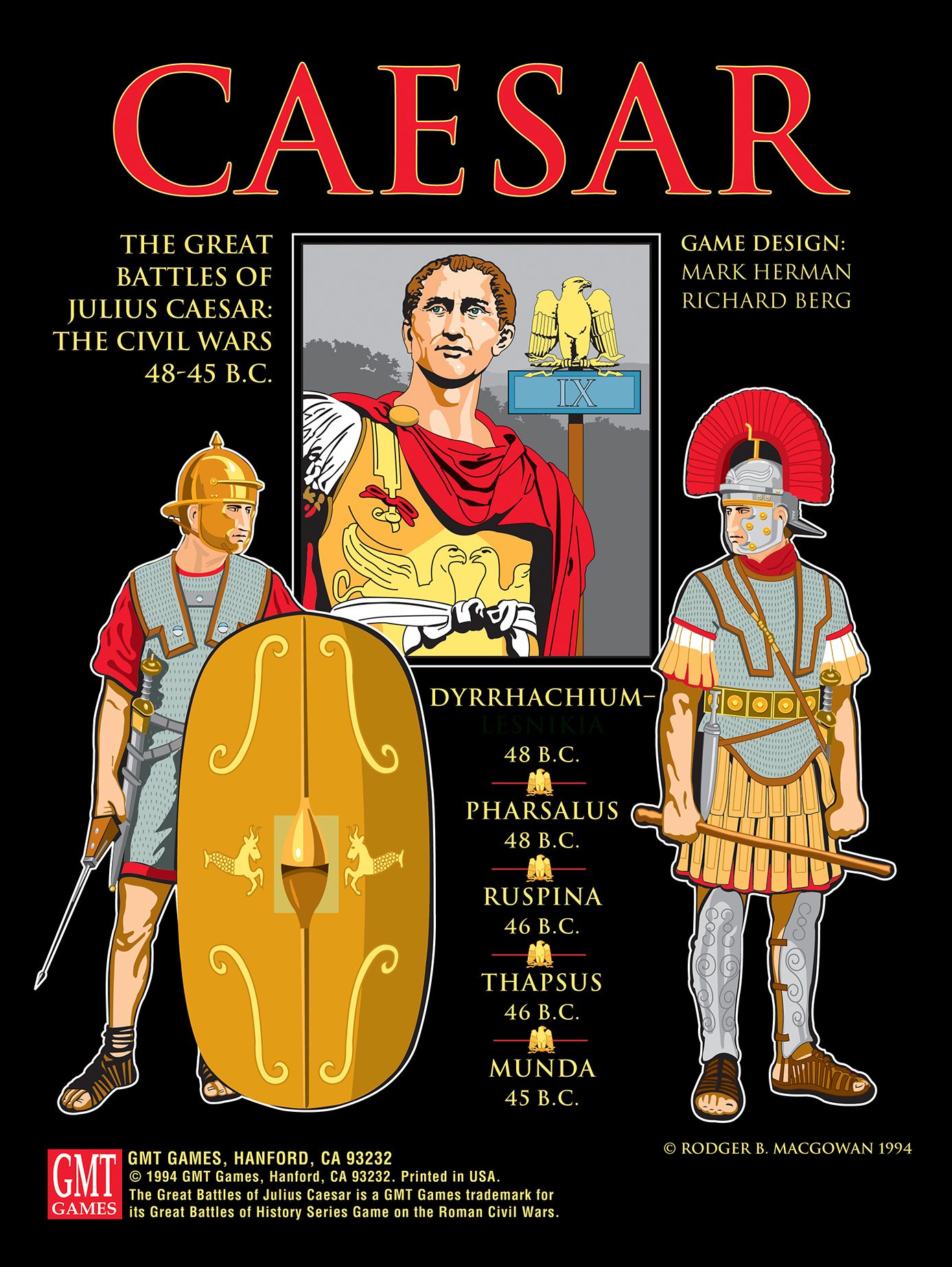 CAESAR: The Great Battles of Julius Caesar – The Civil Wars 48-45 B.C.
 Bitter Woods Deluxe Edition