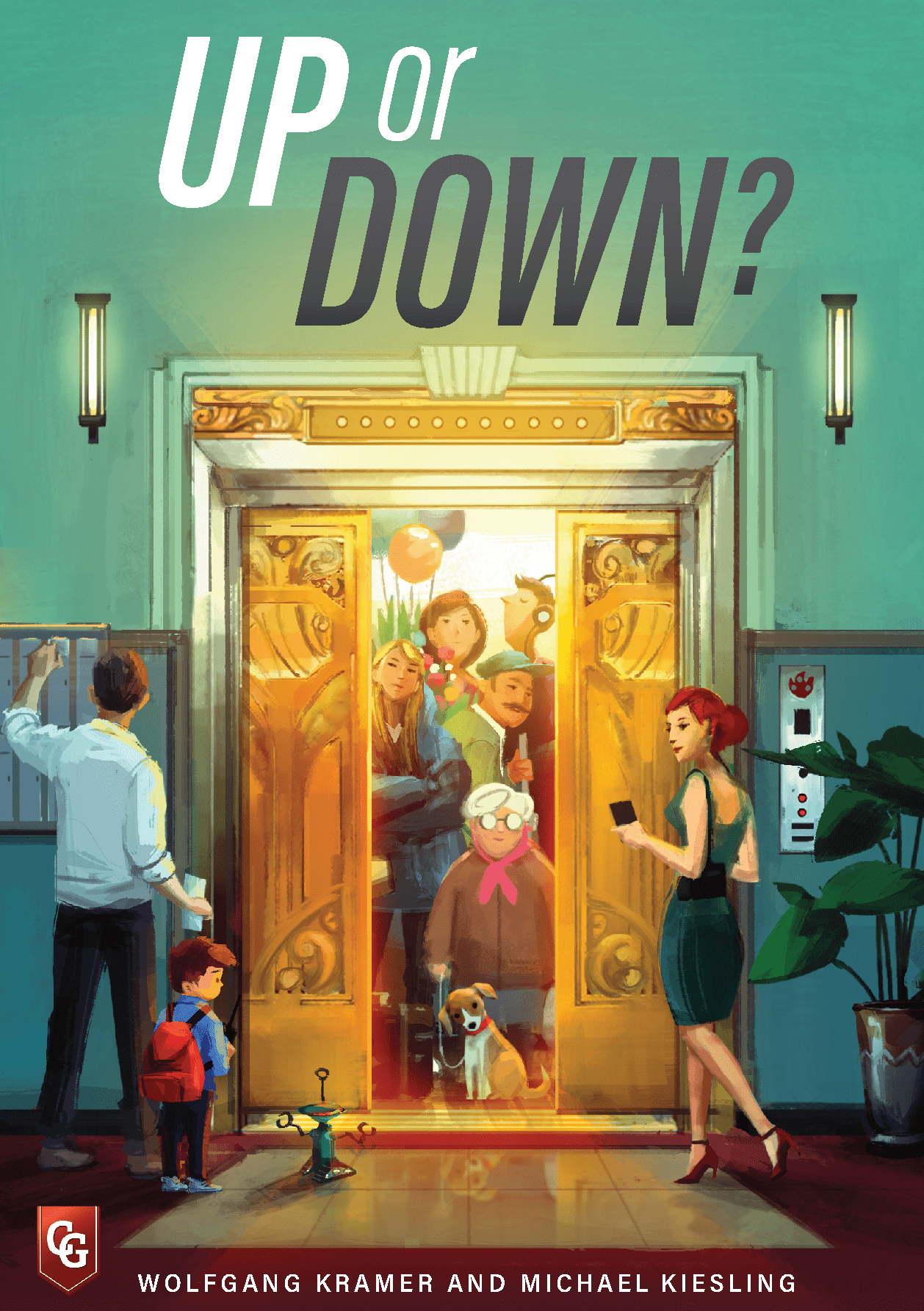
Up or Down?
ABACUSSPIELE, Capstone Games, HOT Games · Board game · 2024
2–6 · best 2
30 min
Weight 1.4/5
Buy · from US$ 11.56
7.3
rating
Ludopedia
6.7
rating
BGG
Our Verdict
If you love cards with strategy and a dash of luck, Up or Down? will win you over.
Highlights
- Prediction challenges
- Smart hand management
- Open drafting
Keep in mind
- Rules can be confusing
- Possible frustration with discards
Rules manual not indexed yet
Upload the PDF rulebook to ask questions about this game with AI.
About the game
What you do in a play session
Up or Down? is a card game that blends hand‑management, open drafting, and set‑collection mechanics into a 30‑minute, 2‑6 player experience. The deck ranges from 1 to 126, but you can trim it based on player count. The game starts with each player receiving three cards while six cards are revealed in a ring, which later receives two piles—one face‑up and one face‑down. On each turn, you pick a card from your hand and place it between two adjacent cards in the ring. Then you take one of the surrounding cards and add it to your display, either starting a new row or extending an existing one. When a row gets a second card, you decide whether it will grow in ascending or descending order. If you can’t or don’t want to place the card, you can “break” the row: all cards in that row are turned face‑down into your discard pile, and you start a new row with the current card. At the end of your turn, you draw a card from any pile inside the ring. The game ends when all cards have been played. Scoring multiplies the number of cards in each row by the most common color in that row, and each card in your discard pile earns an extra point. The player with the most points wins.
The mechanic of placing cards between numbers creates a neat forecasting challenge, while open drafting keeps everyone on their toes. The set‑collection of colors adds a long‑term goal, and hand‑management forces you to weigh each choice carefully. The result is a quick, tactical game with a touch of luck that keeps the play unpredictable and fun for card‑game lovers.
With just a deck and a few discard piles, the components are simple, but the strategic depth keeps even seasoned players engaged. It’s a great pick for groups looking for a lighter alternative to traditional board games while still offering plenty of interaction and competition. If you enjoy card games that require foresight and planning, this title will surprise you.
The mechanic of placing cards between numbers creates a neat forecasting challenge, while open drafting keeps everyone on their toes. The set‑collection of colors adds a long‑term goal, and hand‑management forces you to weigh each choice carefully. The result is a quick, tactical game with a touch of luck that keeps the play unpredictable and fun for card‑game lovers.
With just a deck and a few discard piles, the components are simple, but the strategic depth keeps even seasoned players engaged. It’s a great pick for groups looking for a lighter alternative to traditional board games while still offering plenty of interaction and competition. If you enjoy card games that require foresight and planning, this title will surprise you.
Gallery
Box and component photos
Tap any photo to open fullscreen. Photos submitted by the community or publisher.
Rules videos
Learn by watching before you open the box


Best player count
BGG community vote
2
BEST
3
REC
4
REC
5
OK
6
OK
Soundtrack
Ambience suggested by Melodice
Loading playlist...
Where to Buy
Prices monitored daily
Finding best prices...
Prices unavailable at this time.
Price history — last 6 months (lowest new offer)
Alert enabled!
Join the BoardGamesBot deals group
Get the best board game deals every day — without message spam.
Join the WhatsApp groupGame details
Mechanics, categories, families and credits
Mechanics
Categories
Families
Publisher
ABACUSSPIELE, Capstone Games, HOT Games
Designer
Michael Kiesling, Wolfgang Kramer
Artist
Jina Rueter, Kwanchai Moriya, Marek Bláha
Community
Data from BoardGameGeek
2,244owners
398wishlist
54want to play
Frequently Asked Questions
Quick answers before you buy
What is the average playtime?
About 30 minutes, usually ranging from 25 to 35 minutes depending on player experience.
Who is this game for?
Great for card‑game lovers who enjoy planning and decision‑making but don’t want long sessions.
What components are needed?
A 126‑card deck, two discard piles, and a ring of cards for drafting.
Is it more strategic or luck‑based?
A balanced mix: hand management and row order reduce randomness, while open drafting keeps a surprise factor.
How does open drafting work?
Players pick cards from a shared pool (the ring) in turn, seeing the available options before deciding.
Can it be played with more than 6 players?
Designed for up to 6, but you can adapt to 7 or 8 with deck and time adjustments.
How is the final score calculated?
Multiply the number of cards in each row by the most common color in that row, then add 1 point for each card in your discard pile.
Other Games You'll Like
Based on mechanics and theme