Village
eggertspiele, 999 Games, Albi · Board game · 2011What do you want to do now
Ask anything about Village: rules, setup, components, complexity, price, or whether it fits your group.
If you're looking for a Eurogame with a unique twist on worker placement and a compelling narrative, Village offers a deeply strategic experience where even death serves a purpose. Its innovative action mechanism keeps turns flowing while demanding complex decisions.
- Innovative action mechanism keeps turns short
- Unique integration of character death
- Deep strategic and tactical challenges
- Strong thematic integration of village life
- Theme of death might not appeal to all
- Initial learning curve for unique mechanics
About the game
What you do in a play session
Expansions
Published additional content



Gallery
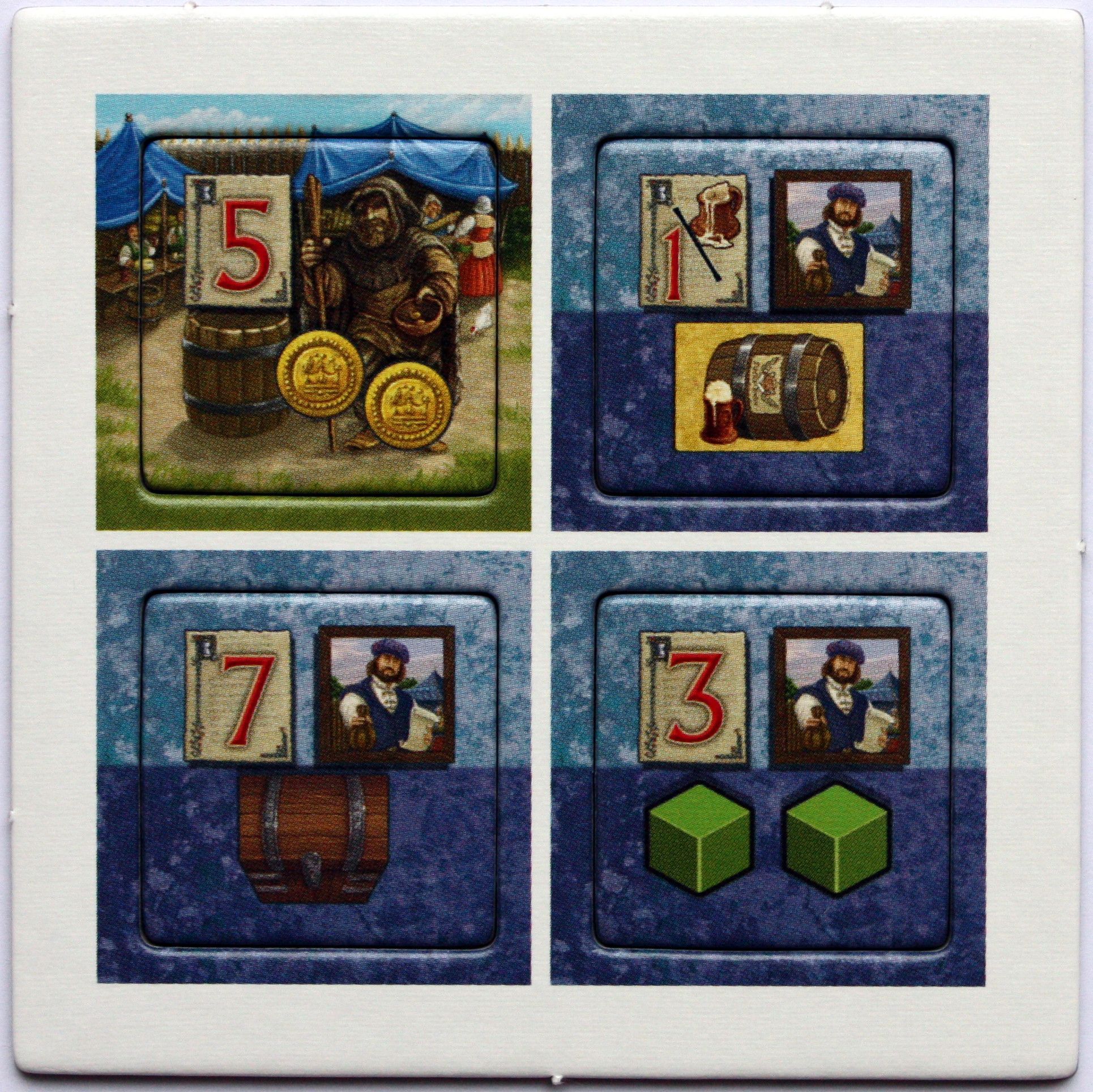
Box and component photos
Tap any photo to open fullscreen. Photos submitted by the community or publisher.
Rules videos
Learn by watching before you open the box
In English
-
 10 Rules You Might Have Missed : Village
-
 The Dragon Table Episode 1: How to Play "Village"
-
 Nights Around a Table - How to Play Village
-
 Village - How to Play
-
 Village Quick Overview
-
 Village Gamesplained - Part 1
-
 Hans Solo: Village
-
 Village - In Focus
-
 The Unboxings of a 4-year-old: #5 Village
-
 Village: Inn & Port - Playthrough With Friends!
-
 Village ... Setup and Rules by the Crabby Dice
-
 Village ◊ Solo variant runthrough【ツ】The Mountain Gamer
Rules manual
Official PDF file
Best player count
BGG community vote
Soundtrack
Ambience suggested by Melodice
Where to Buy
Prices monitored daily
Price history — last 6 months (lowest new offer)
As an Amazon Associate I earn from qualifying purchases. Prices and availability subject to change.
Alert enabled!
Join the BoardGamesBot deals group
Get the best board game deals every day — without message spam.
Join the WhatsApp groupGame details
Mechanics, categories, families and credits
Mechanics
Categories
Families
Community
Data from BoardGameGeek
Frequently Asked Questions
Quick answers before you buy
How many players can play Village?
What is the average playtime for Village?
What is the complexity level of Village?
Who is Village best suited for?
What makes Village different from other worker placement games?
Does Village have good replayability?
Other Games You'll Like
Based on mechanics and theme