100.0
rating
Ludopedia
4.8
rating
BGG
Our Verdict
RECOMMENDED
If you love surviving in a post‑apocalyptic subway, Metro 2033 offers tension, strategy and a dash of luck.
Highlights
- Immersive atmosphere
- Deductive combat
- Resource management
- Multiple win paths
Keep in mind
- Language dependent
- Moderate learning curve
- Small components
Rules manual not indexed yet
Upload the PDF rulebook to ask questions about this game with AI.
About the game
What you do in a play session
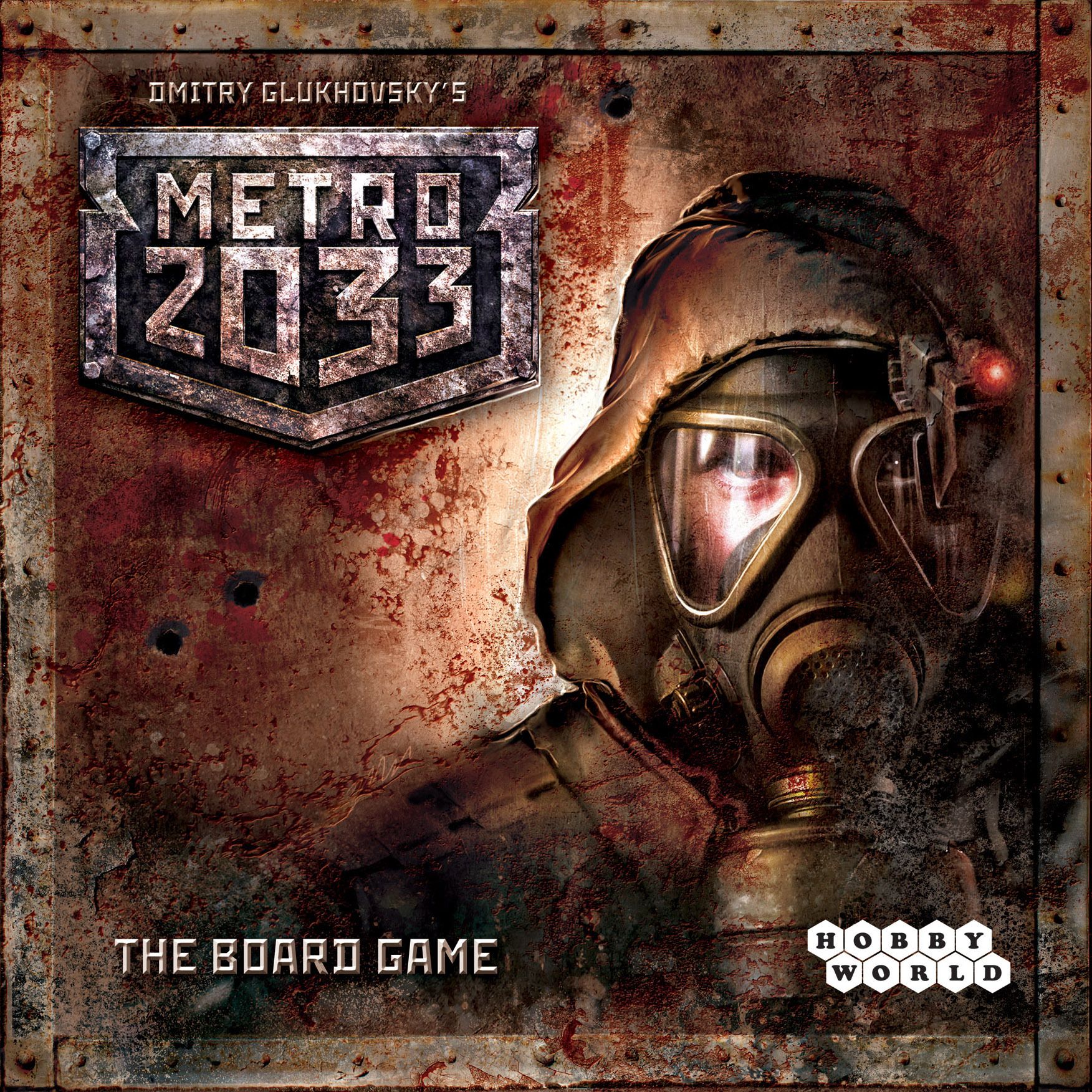
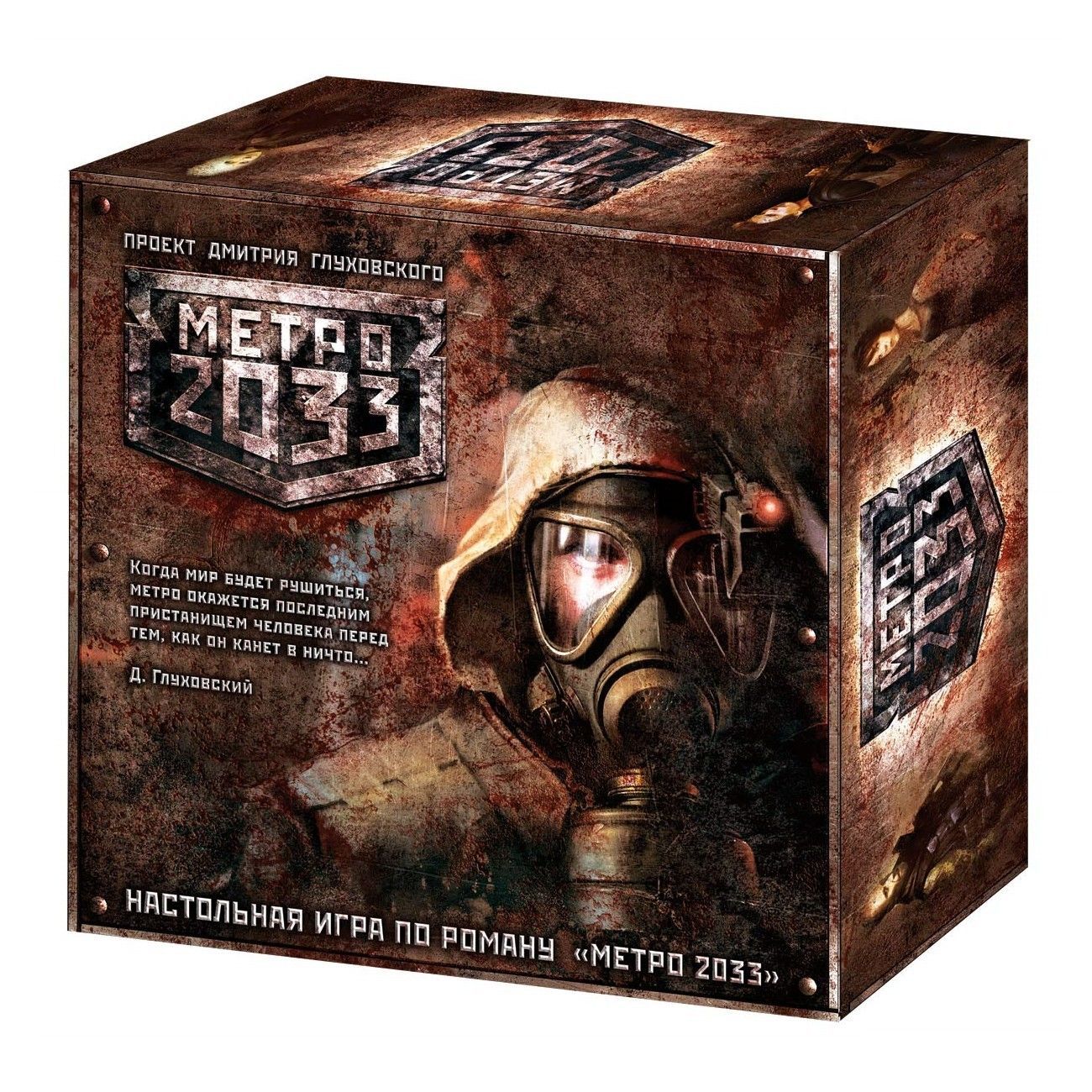
Metro 2033 plunges players into Moscow's underground after a nuclear apocalypse, where humanity has taken refuge in the metro stations. Each participant leads a subterranean faction, aiming to make their clan dominant by amassing armies, resources, and stations, or by seizing control of the Metro's cultural heart – the Polis. The board is a map of the tunnel network, divided into areas that grant victory points when controlled. Rounds follow a special event track that dictates resource production (pigs, ammo, mushrooms), law votes, or sudden dark attacks.
Resources are vital: they fund troop recruitment, hero equipment, and mission purchases that award extra points. Every faction has a hero who can move freely, complete missions, upgrade abilities, and even clash with rival heroes. Attacks can be launched with armies – which can only advance to adjacent stations – or with heroes, who face random threats or an opponent's army/hero. Combat uses a set of battle cards that give bonuses based on the opponent's chosen card, adding a deduction element.
The Area Majority/Influence mechanic rewards controlling more stations, but also draws the attention of mutant creatures lurking in the tunnels. Dice rolls resolve production, combat strength, and mission outcomes, ensuring luck plays a role. For 2‑6 players, about 90 minutes, and a moderate complexity (weight 3/5), Metro 2033 blends strategy, resource management, and narrative tension, perfect for fans of dark settings and risky decisions.
Resources are vital: they fund troop recruitment, hero equipment, and mission purchases that award extra points. Every faction has a hero who can move freely, complete missions, upgrade abilities, and even clash with rival heroes. Attacks can be launched with armies – which can only advance to adjacent stations – or with heroes, who face random threats or an opponent's army/hero. Combat uses a set of battle cards that give bonuses based on the opponent's chosen card, adding a deduction element.
The Area Majority/Influence mechanic rewards controlling more stations, but also draws the attention of mutant creatures lurking in the tunnels. Dice rolls resolve production, combat strength, and mission outcomes, ensuring luck plays a role. For 2‑6 players, about 90 minutes, and a moderate complexity (weight 3/5), Metro 2033 blends strategy, resource management, and narrative tension, perfect for fans of dark settings and risky decisions.
Gallery
Box and component photos
Tap any photo to open fullscreen. Photos submitted by the community or publisher.
Best player count
BGG community vote
2
OK
3
OK
4
OK
5
OK
6
OK
Soundtrack
Ambience suggested by Melodice
Loading playlist...
Where to Buy
Prices monitored daily
Finding best prices...
Prices unavailable at this time.
Price history — last 6 months (lowest new offer)
As an Amazon Associate I earn from qualifying purchases. Prices and availability subject to change.
Alert enabled!
Join the BoardGamesBot deals group
Get the best board game deals every day — without message spam.
Join the WhatsApp groupGame details
Mechanics, categories, families and credits
Mechanics
Categories
Families
Publisher
Fantasy World, Inc.
Designer
Ivan Popov, Sergey Golubkin
Artist
Sergey Dulin
Community
Data from BoardGameGeek
31owners
8wishlist
1want to play
Frequently Asked Questions
Quick answers before you buy
How many players can join?
2 to 6 players.
How long does a game last?
Approximately 90 minutes.
What is the game’s complexity?
Weight 3/5 on BGG, considered moderate.
Do I need extra material to play?
A translated sheet or cards is recommended, as the original components are in Russian/English.
What resources are produced?
Pigs, ammunition and mushrooms, used to recruit troops, equip heroes and purchase missions.
How do you win?
Reach 10 victory points or control all four Polis stations.
Is luck a big factor?
Dice determine production and combat, so luck matters, but strategic choices are decisive.
Other Games You'll Like
Based on mechanics and theme