7.3
rating
Ludopedia
6.9
rating
BGG
Our Verdict
RECOMMENDED
If you love fast duels with an animal theme, Agility offers race and strategy in a light package.
Highlights
- Smooth hand management
- Dynamic open drafting
- Rondel keeps pace
Keep in mind
- Short learning curve
- Some cards feel underwhelming
Rules manual not indexed yet
Upload the PDF rulebook to ask questions about this game with AI.
About the game
What you do in a play session
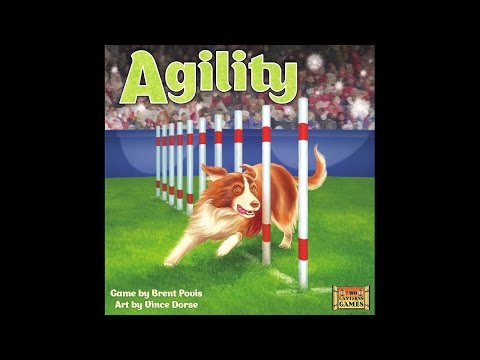
In Agility, you and your opponent become trainers of agility dogs, the sport where canines dash through obstacle courses. Each game starts by drafting three courses out of six available, and the first step is to adopt the dogs that will compete. Training cards are the engine of the game: when you play one, you generate resources (energy or speed) and simultaneously set the action to be taken, usually reacting to what your opponent just did. This dual function forces you to think twice before placing a card – the resource you need might not line up with the action you’d like.
With resources in hand, you can adopt a high‑performing "Wonderdog" or a modest "Underdog" and then clear the obstacles on your track. Each obstacle costs resources, so hand management and open drafting are essential. Since courses can only be started after a dog is adopted, a race‑within‑a‑race emerges: who secures the best dog for the most suitable track gains the edge.
Play proceeds in turns using a rondel that dictates which action types are available each round, keeping the pace lively and preventing any player from hogging a single strategy. In about 30‑45 minutes you’ll watch your blue‑eyed Husky, radiant Golden Retriever, and even the feisty Jack Russell zip through poles, tunnels, and pause boxes while trying to anticipate your rival’s moves. The low weight (2.08) and gentle learning curve make Agility ideal for fans of quick tactical duels, especially two‑player showdowns. If you love animal themes, fast decisions, and the thrill of a canine race, this game will have you barking for more.
With resources in hand, you can adopt a high‑performing "Wonderdog" or a modest "Underdog" and then clear the obstacles on your track. Each obstacle costs resources, so hand management and open drafting are essential. Since courses can only be started after a dog is adopted, a race‑within‑a‑race emerges: who secures the best dog for the most suitable track gains the edge.
Play proceeds in turns using a rondel that dictates which action types are available each round, keeping the pace lively and preventing any player from hogging a single strategy. In about 30‑45 minutes you’ll watch your blue‑eyed Husky, radiant Golden Retriever, and even the feisty Jack Russell zip through poles, tunnels, and pause boxes while trying to anticipate your rival’s moves. The low weight (2.08) and gentle learning curve make Agility ideal for fans of quick tactical duels, especially two‑player showdowns. If you love animal themes, fast decisions, and the thrill of a canine race, this game will have you barking for more.
Gallery
Box and component photos
Tap any photo to open fullscreen. Photos submitted by the community or publisher.
Rules videos
Learn by watching before you open the box
In English
Best player count
BGG community vote
2
BEST
Soundtrack
Ambience suggested by Melodice
Loading playlist...
Where to Buy
Prices monitored daily
Finding best prices...
Prices unavailable at this time.
Price history — last 6 months (lowest new offer)
As an Amazon Associate I earn from qualifying purchases. Prices and availability subject to change.
Alert enabled!
Join the BoardGamesBot deals group
Get the best board game deals every day — without message spam.
Join the WhatsApp groupGame details
Mechanics, categories, families and credits
Mechanics
Categories
Families
Publisher
Two Lanterns Games
Designer
Brent Povis
Artist
Vince Dorse
Community
Data from BoardGameGeek
Frequently Asked Questions
Quick answers before you buy
How many players can play?
It is a two‑player only game.
How long does a game take?
Typically 30–45 minutes, depending on player familiarity.
What is the complexity level?
Low to medium; the card mechanics are easy to grasp but require planning.
What components are included?
Training cards, Dog cards, Course boards, resource tokens, obstacle pieces, and a action rondel.
Who is the game best suited for?
Fans of light strategy, animal themes, and tight two‑player duels.
Other Games You'll Like
Based on mechanics and theme