7.4
rating
Ludopedia
6.8
rating
BGG
Our Verdict
RECOMMENDED
Perfect for those who love tension and cooperative deduction games; the mission progression keeps you hooked.
Highlights
- Real tension with real-time timer
- Campaign with 50 missions
- Smart and challenging deduction
- Pure and tense cooperative play
Keep in mind
- Communication limits can be frustrating
- Initial learning curve
Rules manual not indexed yet
Upload the PDF rulebook to ask questions about this game with AI.
About the game
What you do in a play session
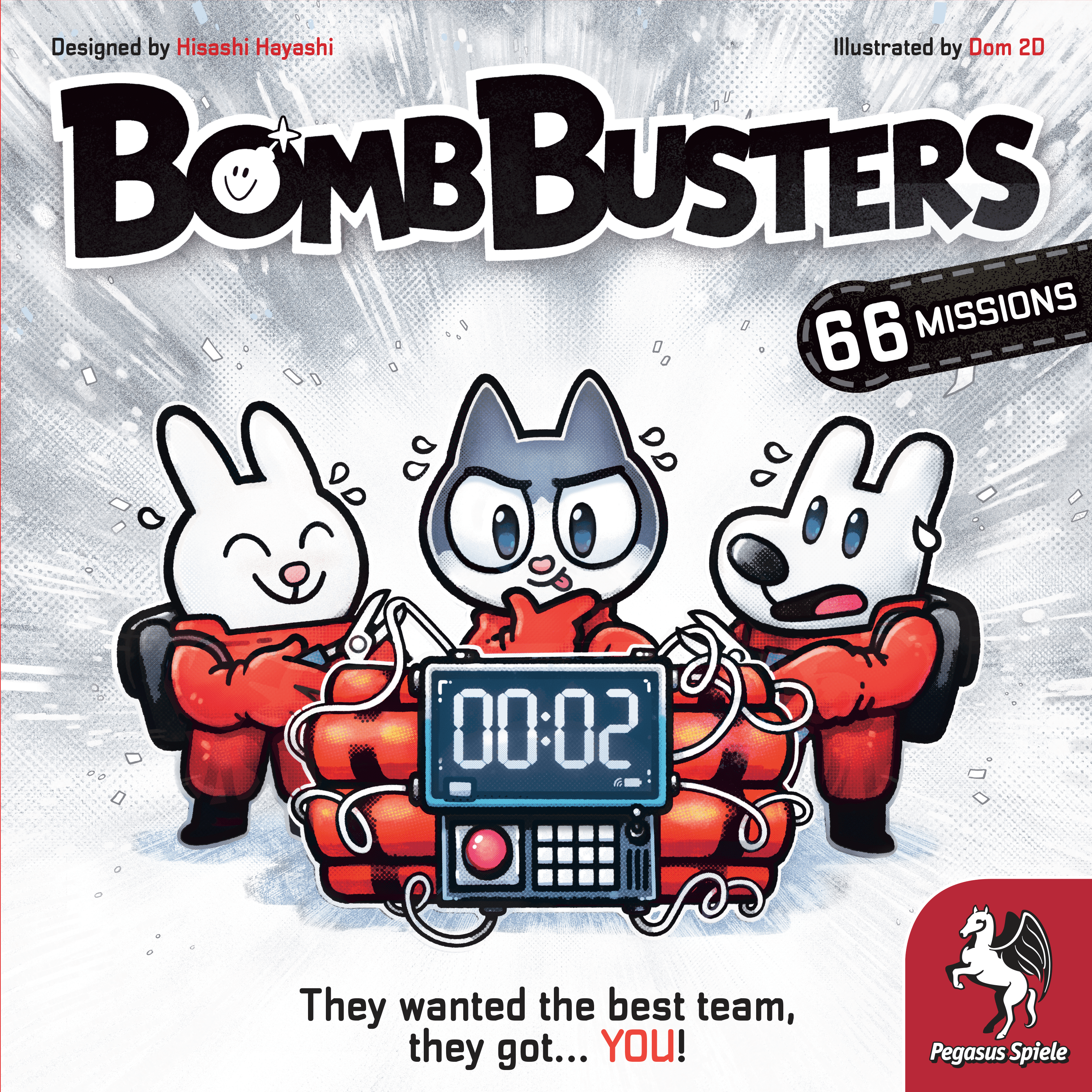
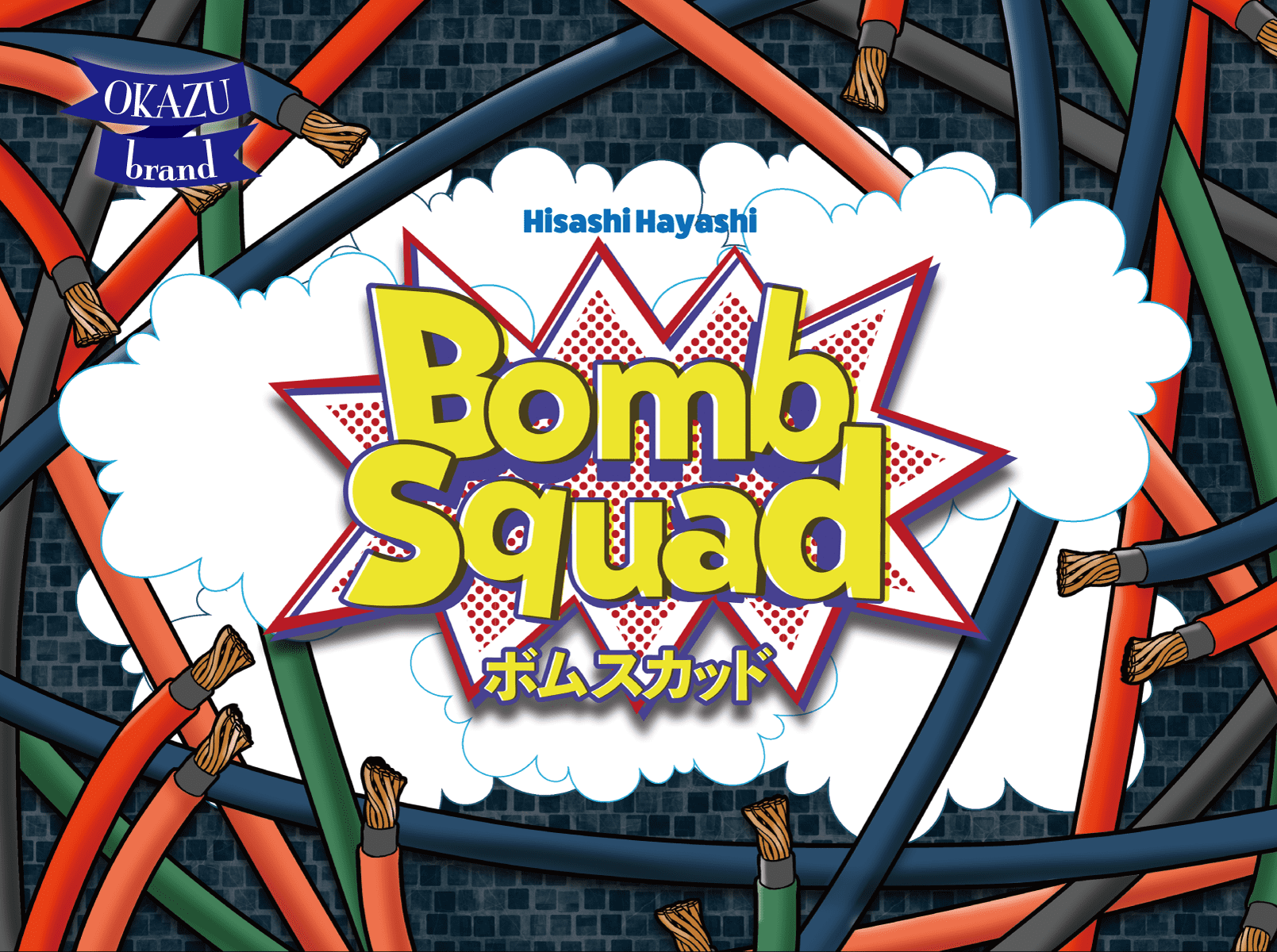
Get your disposal kit ready and call your friends, because Retro City is in danger! In Bomb Squad, you and your buddies form a team of bomb disposal specialists. The goal is simple on paper but tense in practice: deactivate the bombs before the timer hits zero and everything goes boom. But don't think it's just about pressing a button; here, communication is your biggest hurdle.
The game uses numbered cards and special tiles (stars and bombs with decimals) organized on racks in front of each player. The catch is that you can't just shout 'I have the number 5!'. There are strict communication limits, forcing the group to exchange 'intel' and subtle clues to deduce who holds which cards. To disarm, you need to find matching pairs of numbers. You can attempt to disarm a teammate's card (if you have the matching pair) or clear your own cards if you're certain no one else holds them.
The game offers a progressive experience with a scenario book containing 50 missions. You can follow the full campaign, feeling the difficulty steadily climb, or simply pick and play specific missions for a quick session. The tension is real, as the clock ticks down in real-time while you try to coordinate instructions for the disposal robot. It's a test of patience, logic, and teamwork under pressure. If you manage to clear the racks and deactivate the bombs, the city is saved. If you fail... well, hope you have life insurance! It's the perfect kind of game for those who love that 'we're doomed, but we'll make it' vibe and enjoy deduction games where group coordination is the only way out.
The game uses numbered cards and special tiles (stars and bombs with decimals) organized on racks in front of each player. The catch is that you can't just shout 'I have the number 5!'. There are strict communication limits, forcing the group to exchange 'intel' and subtle clues to deduce who holds which cards. To disarm, you need to find matching pairs of numbers. You can attempt to disarm a teammate's card (if you have the matching pair) or clear your own cards if you're certain no one else holds them.
The game offers a progressive experience with a scenario book containing 50 missions. You can follow the full campaign, feeling the difficulty steadily climb, or simply pick and play specific missions for a quick session. The tension is real, as the clock ticks down in real-time while you try to coordinate instructions for the disposal robot. It's a test of patience, logic, and teamwork under pressure. If you manage to clear the racks and deactivate the bombs, the city is saved. If you fail... well, hope you have life insurance! It's the perfect kind of game for those who love that 'we're doomed, but we'll make it' vibe and enjoy deduction games where group coordination is the only way out.
Gallery
Box and component photos
Tap any photo to open fullscreen. Photos submitted by the community or publisher.
Best player count
BGG community vote
2
OK
3
OK
4
BEST
5
OK
Soundtrack
Ambience suggested by Melodice
Loading playlist...
Where to Buy
Prices monitored daily
Finding best prices...
Prices unavailable at this time.
Price history — last 6 months (lowest new offer)
As an Amazon Associate I earn from qualifying purchases. Prices and availability subject to change.
Alert enabled!
Join the BoardGamesBot deals group
Get the best board game deals every day — without message spam.
Join the WhatsApp groupGame details
Mechanics, categories, families and credits
Mechanics
Categories
Publisher
OKAZU Brand
Designer
Hisashi Hayashi
Artist
Ryo Nyamo
Community
Data from BoardGameGeek
74owners
31wishlist
9want to play
Frequently Asked Questions
Quick answers before you buy
Is the game too hard?
It starts easy in the first missions, but the difficulty ramps up gradually. With a weight of 2.33, it requires focus and logic.
Can I play it solo?
The game is focused on cooperation between 2 to 5 players, so social interaction is the heart of the experience.
How long does a game last?
Missions are quick, taking about 30 minutes, but the full campaign spans multiple sessions.
Do I need to know English to play?
Very little. There is minimal text, and most instructions are intuitive or based on numbers.
Is it suitable for casual gamers?
Yes, but I recommend starting with the early missions to get a feel for the communication limits before tackling the harder ones.
Other Games You'll Like
Based on mechanics and theme