Caesar: Rome vs. Gaul
GMT Games · Board game · 2020
2 · best 2
120–240 min
Weight 3.3/5
Buy · from US$ 44.97
8.1
rating
Ludopedia
7.9
rating
BGG
Our Verdict
HIGHLY RECOMMENDED
If you enjoy historical wargames and the Roman theme, Caesar: Rome vs. Gaul is a sure bet to play with a friend!
Highlights
- Engaging historical simulation
- Sharp card-driven mechanics
- Guaranteed strategic depth
Keep in mind
- High language dependency
- Initial learning curve
- Requires time commitment
Rules manual not indexed yet
Upload the PDF rulebook to ask questions about this game with AI.
About the game
What you do in a play session
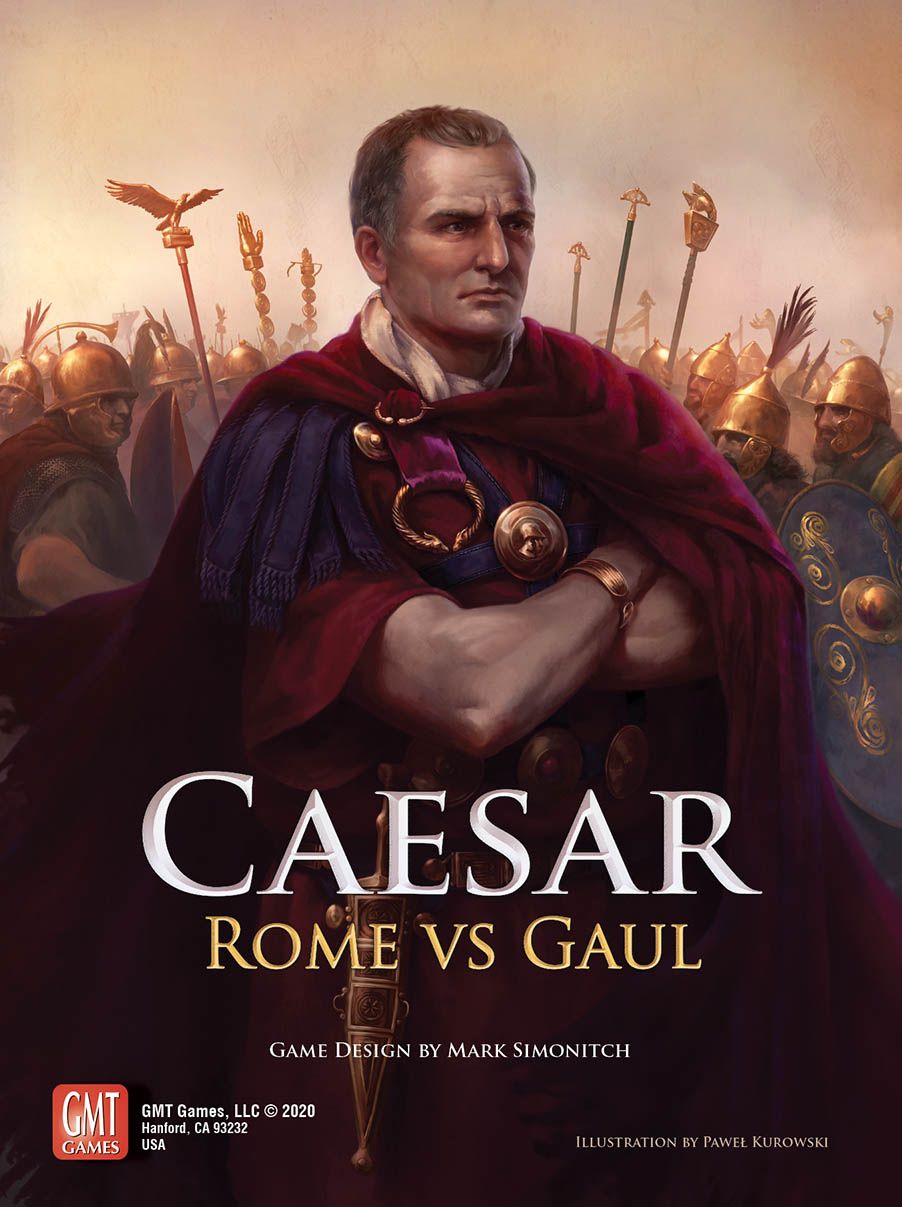
Get ready to relive one of antiquity's most epic conflicts in Caesar: Rome vs. Gaul! This two-player board game puts you in the shoes of Julius Caesar, the Roman general seeking glory and riches in the lands of Gaul, or in command of the Gallic tribes, fighting desperately to defend their homeland from invasion. With mechanics inspired by Hannibal: Rome vs. Carthage, the adaptation is super smooth for those already familiar with the system.
The game covers the crucial period between 57 and 52 BC, a whirlwind of campaigns, revolts, and invasions that defined Gaul's destiny. Each turn represents a year, and you'll use cards from your hand to move Roman legions or Gallic tribes, control territories, and trigger historical events. Hand management is crucial: choosing the right card at the right time can mean the difference between victory and defeat. Dice rolling adds that spice of unpredictability, while point-to-point movement on the strategic map forces you to think about every step.
Caesar: Rome vs. Gaul is not just a war game; it's a historical simulation that transports you directly to the battlefield. Despite being straightforward with its rules, strategic depth is guaranteed, especially for those who enjoy games with campaigns and a good dose of historical drama. The language dependency is high, so be prepared to have a guide or translations handy to dive headfirst into this saga of conquest and resistance. It's a feast for lovers of wargames and Roman history!
The game covers the crucial period between 57 and 52 BC, a whirlwind of campaigns, revolts, and invasions that defined Gaul's destiny. Each turn represents a year, and you'll use cards from your hand to move Roman legions or Gallic tribes, control territories, and trigger historical events. Hand management is crucial: choosing the right card at the right time can mean the difference between victory and defeat. Dice rolling adds that spice of unpredictability, while point-to-point movement on the strategic map forces you to think about every step.
Caesar: Rome vs. Gaul is not just a war game; it's a historical simulation that transports you directly to the battlefield. Despite being straightforward with its rules, strategic depth is guaranteed, especially for those who enjoy games with campaigns and a good dose of historical drama. The language dependency is high, so be prepared to have a guide or translations handy to dive headfirst into this saga of conquest and resistance. It's a feast for lovers of wargames and Roman history!
Gallery
Box and component photos
Tap any photo to open fullscreen. Photos submitted by the community or publisher.
Rules videos
Learn by watching before you open the box
In English

Best player count
BGG community vote
2
BEST
Soundtrack
Ambience suggested by Melodice
Loading playlist...
Where to Buy
Prices monitored daily
Finding best prices...
Prices unavailable at this time.
Price history — last 6 months (lowest new offer)
As an Amazon Associate I earn from qualifying purchases. Prices and availability subject to change.
Alert enabled!
Join the BoardGamesBot deals group
Get the best board game deals every day — without message spam.
Join the WhatsApp groupGame details
Mechanics, categories, families and credits
Mechanics
Categories
Families
Publisher
GMT Games
Designer
Mark Simonitch
Artist
Chechu Nieto, Dariusz Buraczewski, Paweł Kurowski
Community
Data from BoardGameGeek
1,566owners
559wishlist
87want to play
Frequently Asked Questions
Quick answers before you buy
How many players can participate?
This game is exclusively for 2 players.
How long does a game session last?
Games can be quite long, ranging from 120 to 240 minutes, depending on player experience and game pace.
What is the complexity level of the game?
The game has a medium-high complexity (3.31/5 on BGG), being more accessible to those already familiar with other games in the series or wargames in general. The complexity lies in strategy and resource management.
Do I need to know English to play?
Yes, the game has a high language dependency. It's essential to have translations of cards and rules or fluent English-speaking players.
Is this game suitable for board game beginners?
It's not the most suitable for absolute beginners due to its complexity and playtime. It's more recommended for players with some experience, especially in wargames or strategy games.
Does the game have a solo mode?
Originally, the game is for two players. Digital implementations (like VASSAL and Tabletop Simulator) exist that may offer solo or online multiplayer experiences, but there is no official solo mode on the base board game.
What makes this game special?
It offers an engaging strategic simulation of the Gallic Wars, with card mechanics that bring interesting tactical decisions each turn, and it's a great entry point for those who have played Hannibal: Rome vs. Carthage.
Other Games You'll Like
Based on mechanics and theme