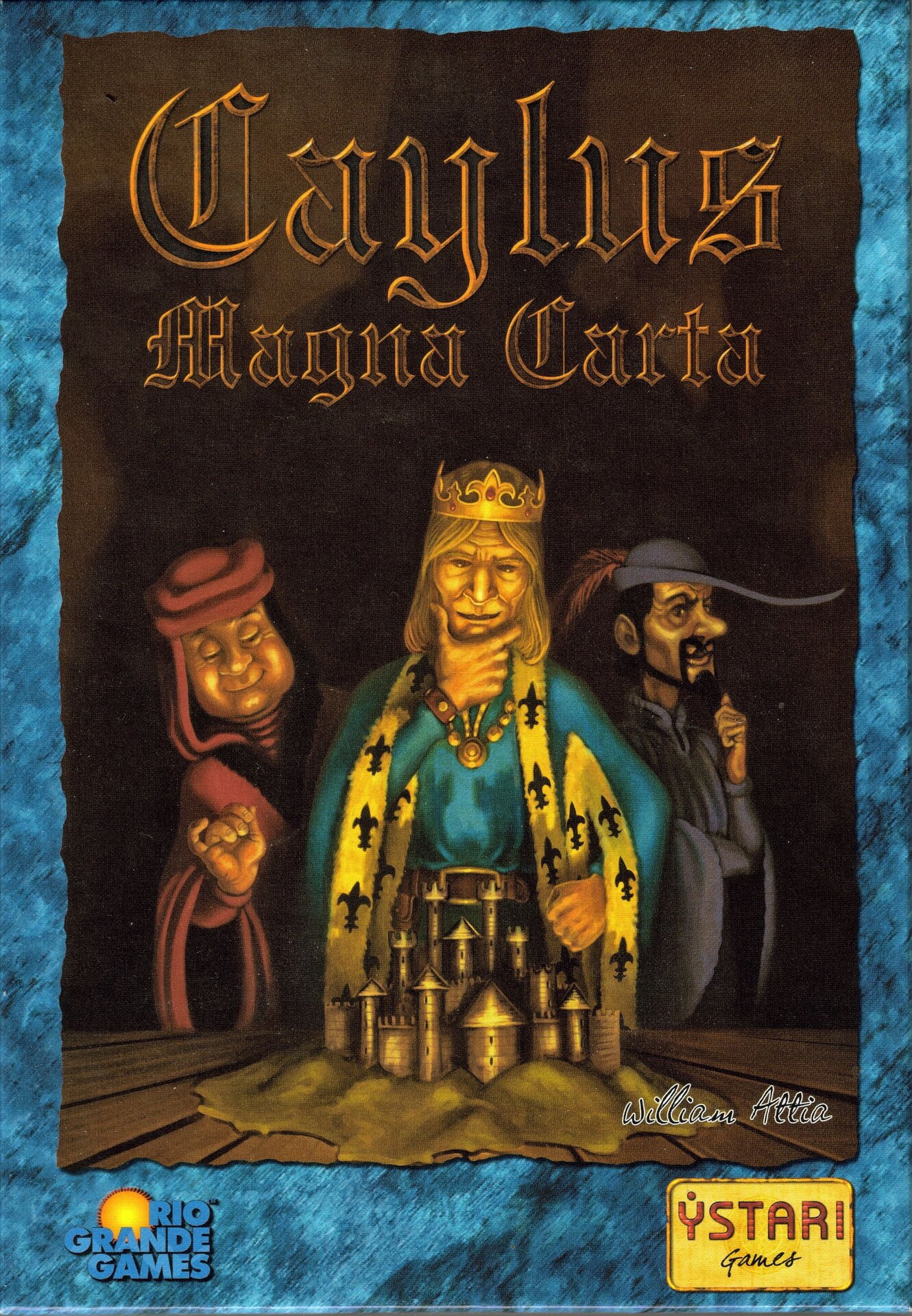
Caylus
Ystari Games, Brain Games, Edge Entertainment · Board game · 2005What do you want to do now
Ask anything about Caylus: rules, setup, components, complexity, price, or whether it fits your group.
If you're a fan of classic worker placement with deep strategic planning, Caylus offers a rewarding experience as you build a medieval city and castle. It's a game that truly shines in its intricate decision-making and player interaction.
- Pioneering worker placement mechanics
- Deep strategic planning and execution
- Rewarding long-term decision making
- Excellent player interaction and blocking
- Can feel a bit dry thematically
- Higher complexity for new players
- Longer playtime commitment
About the game
What you do in a play session
In Caylus, your mission is twofold: help erect the majestic royal castle and, at the same time, develop the surrounding city. Every successful action earns you prestige points and the coveted royal favor. The player with the most prestige when the castle is finished wins the game. But don't think it's just about placing workers and being done with it! Each round, you pay to allocate your workers to different village buildings. These locations allow you to gather resources, earn money, or use those resources to construct and upgrade other buildings. And of course, you can also contribute directly to the castle's construction, securing points and royal favors that translate into even bigger bonuses.
Building a structure not only gives you immediate points but can also generate a steady income throughout the game, as you receive bonuses whenever other players use your properties. Your building choices are crucial, as they define the actions available to everyone at the table. As new buildings emerge, they stretch along a road leading away from the castle, but beware: not all buildings can be used every turn. You have some control over which buildings are active by influencing the movement of the Provost marker. The Provost's final position determines the newest building that can be used that round. Furthermore, the Provost also dictates the pace of the Bailiff marker, which signals the end of the game. If everyone is building at full throttle and the Provost is generous, the game might end faster than you expect. Oh, and the second edition already includes the Caylus Expansion: The Jeweller, adding even more layers of strategy!
Expansions
Published additional content

Gallery
Box and component photos
Tap any photo to open fullscreen. Photos submitted by the community or publisher.
Rules videos
Learn by watching before you open the box




Rules manual
Official PDF file
Best player count
BGG community vote
Soundtrack
Ambience suggested by Melodice
Where to Buy
Prices monitored daily
Price history — last 6 months (lowest new offer)
As an Amazon Associate I earn from qualifying purchases. Prices and availability subject to change.
Alert enabled!
Join the BoardGamesBot deals group
Get the best board game deals every day — without message spam.
Join the WhatsApp groupGame details
Mechanics, categories, families and credits
Mechanics
Categories
Families
Community
Data from BoardGameGeek
Frequently Asked Questions
Quick answers before you buy
What is the average playtime for Caylus?
How many players can play Caylus?
Is Caylus a complex game for beginners?
What are the main components of the game?
Are there any expansions for Caylus?
Who is Caylus recommended for?
Other Games You'll Like
Based on mechanics and theme