

What do you want to do now
Ask anything about CDG Solo System: rules, setup, components, complexity, price, or whether it fits your group.
Enjoyed playing CDGs solo but found the upkeep tedious? This system fixes that, bringing more immersion and less headache!
- Solo flow and immersion
- Reduces upkeep and complexity
- Restores fog of war
- Requires base CDG game
- High language dependency
About the game
What you do in a play session
The system comes with nice components, a custom die, and an official rulebook, plus play sheets to boost six popular GMT CDG games. Here's how it works: you use two card displays to organize each side's hand. At the start of each turn, a Fate Die is rolled to see which cards are available. Usually, it's about 2 or 3, but the final decision is yours. After playing a card, the remaining cards marker advances, and it's time to roll the die for the other side. This rolling mechanic and how cards are revealed help restore that uncertainty and surprise element, allowing you to focus on the current turn's decisions without drowning in future planning. It's a clever way to relive the excitement of great historical battles on your table, keeping the pace and narrative alive.
Expansion for
Published additional content
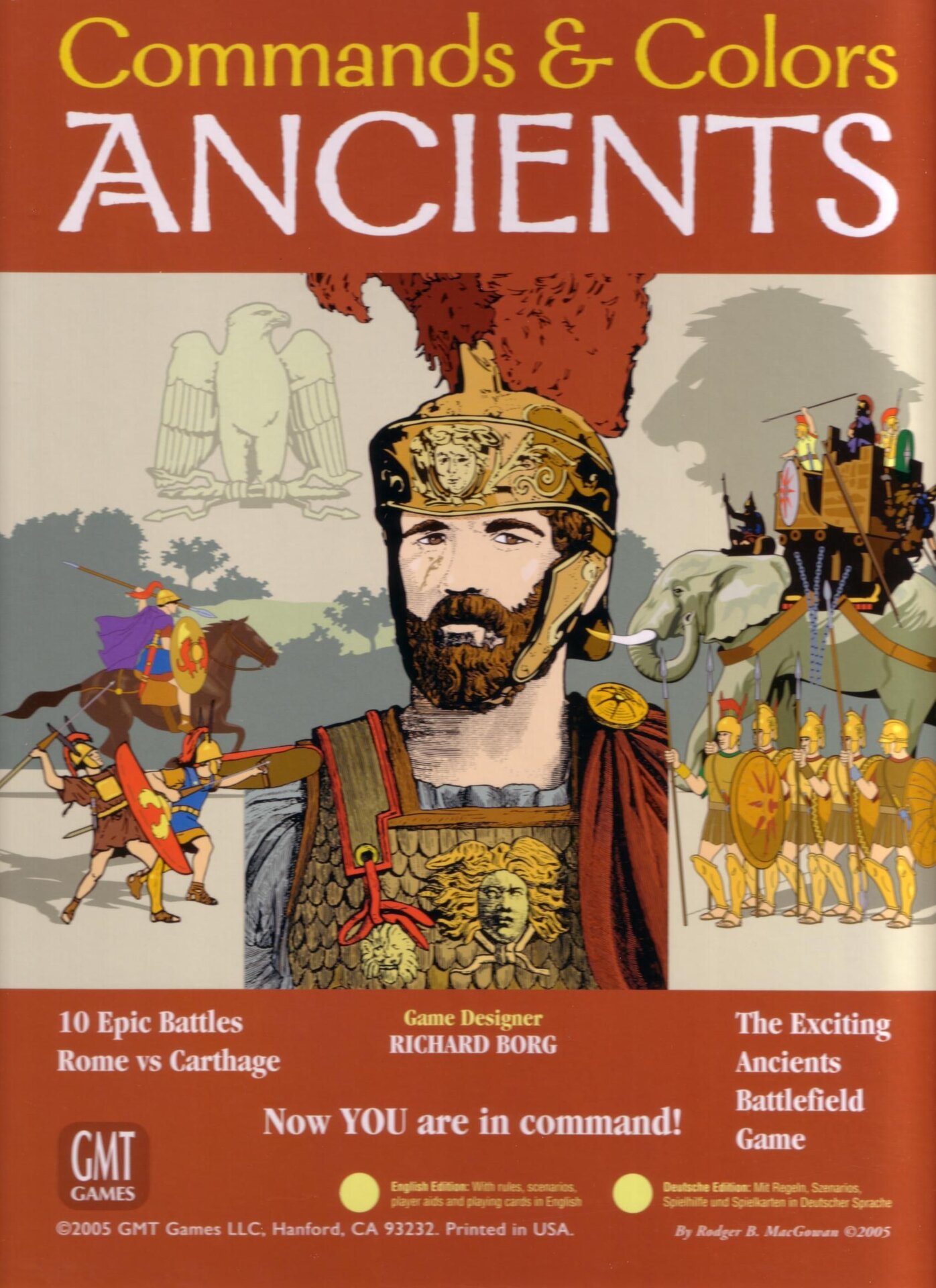
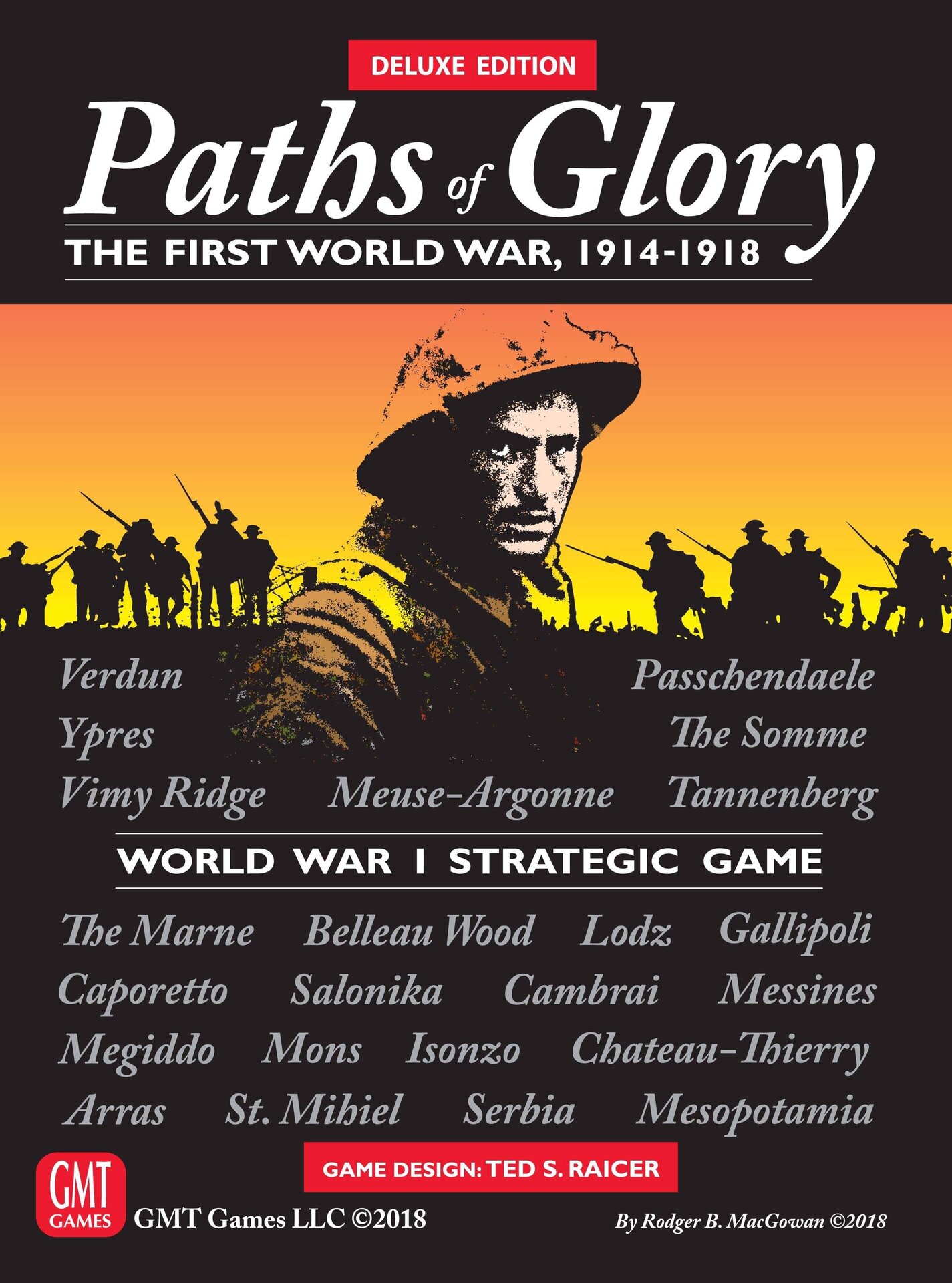

Gallery
Box and component photos
Tap any photo to open fullscreen. Photos submitted by the community or publisher.
Rules videos
Learn by watching before you open the box


Rules manual
Official PDF file
Best player count
BGG community vote
Soundtrack
Ambience suggested by Melodice
Where to Buy
Prices monitored daily
Price history — last 6 months (lowest new offer)
As an Amazon Associate I earn from qualifying purchases. Prices and availability subject to change.
Alert enabled!
Join the BoardGamesBot deals group
Get the best board game deals every day — without message spam.
Join the WhatsApp groupGame details
Mechanics, categories, families and credits
Mechanics
Categories
Families
Community
Data from BoardGameGeek
Frequently Asked Questions
Quick answers before you buy
