Diplomacy
The Avalon Hill Game Co, Games Research, Inc., (Self-Published) · Board game · 1959If you enjoy games where talk and betrayal are worth more than luck, Diplomacy is your jam! Brace yourself for hours of political intrigue and volatile alliances.
- Pure, intense negotiation
- Strategy without luck
- Deep human interaction
- Timeless classic
- Player elimination
- Long playtime
- Rule complexity
About the game
What you do in a play session
Gallery
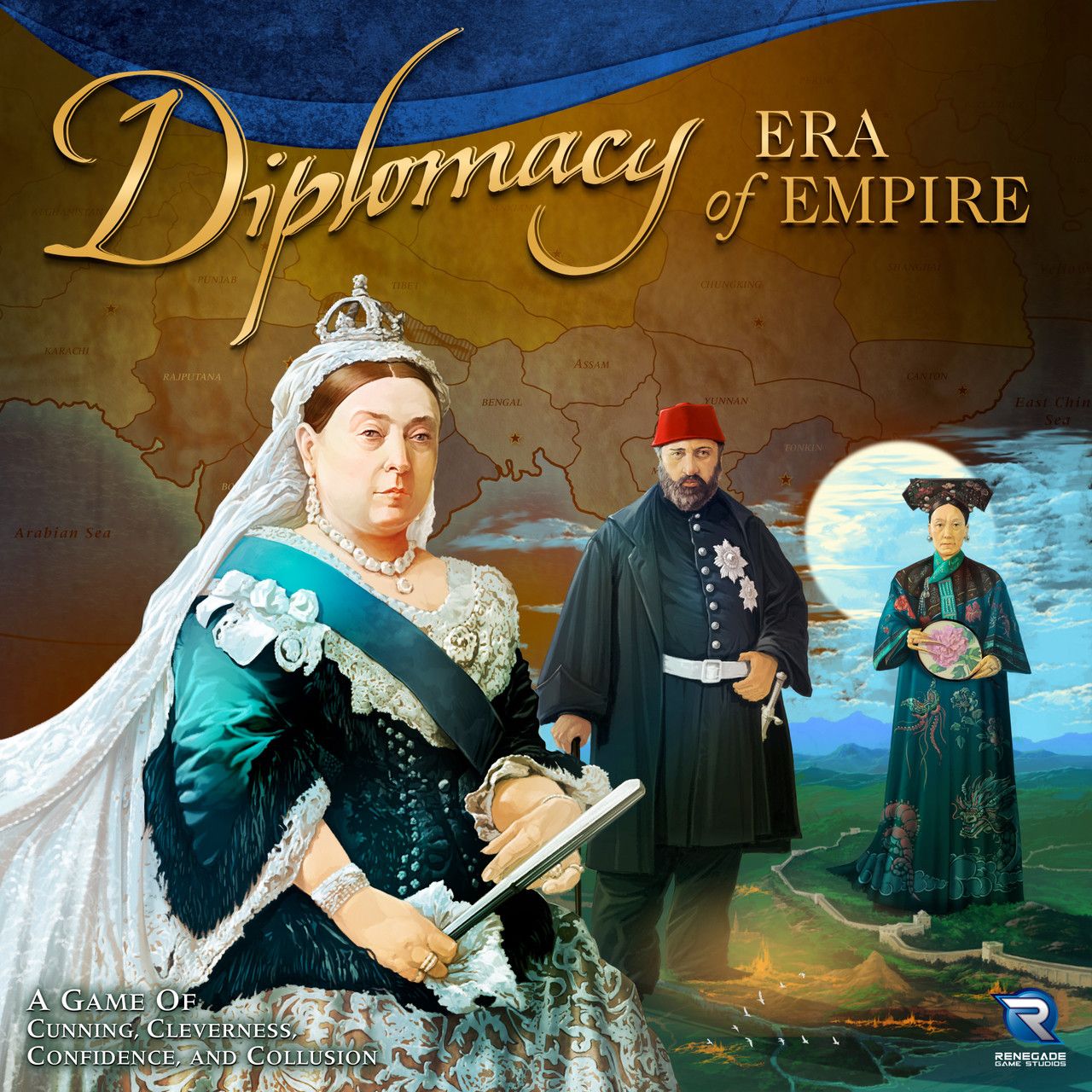
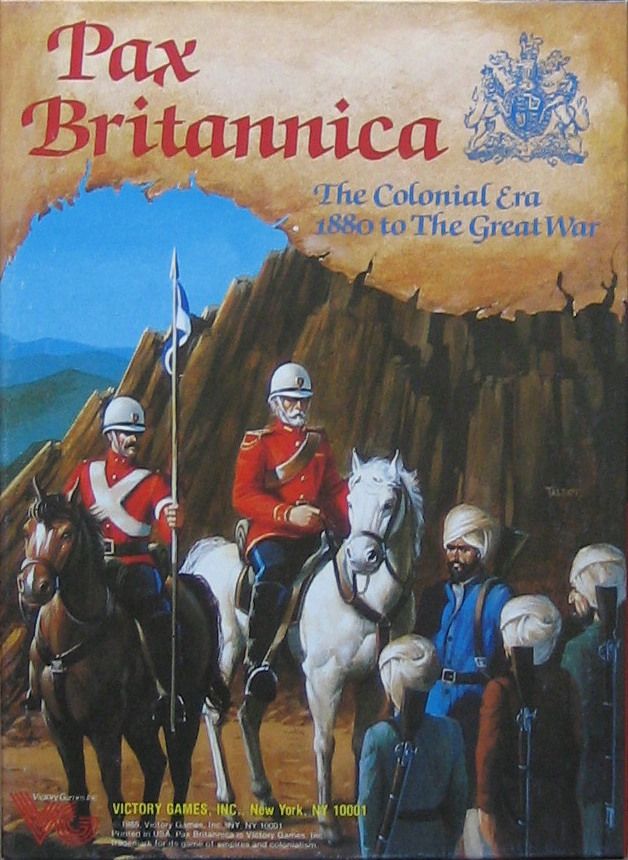
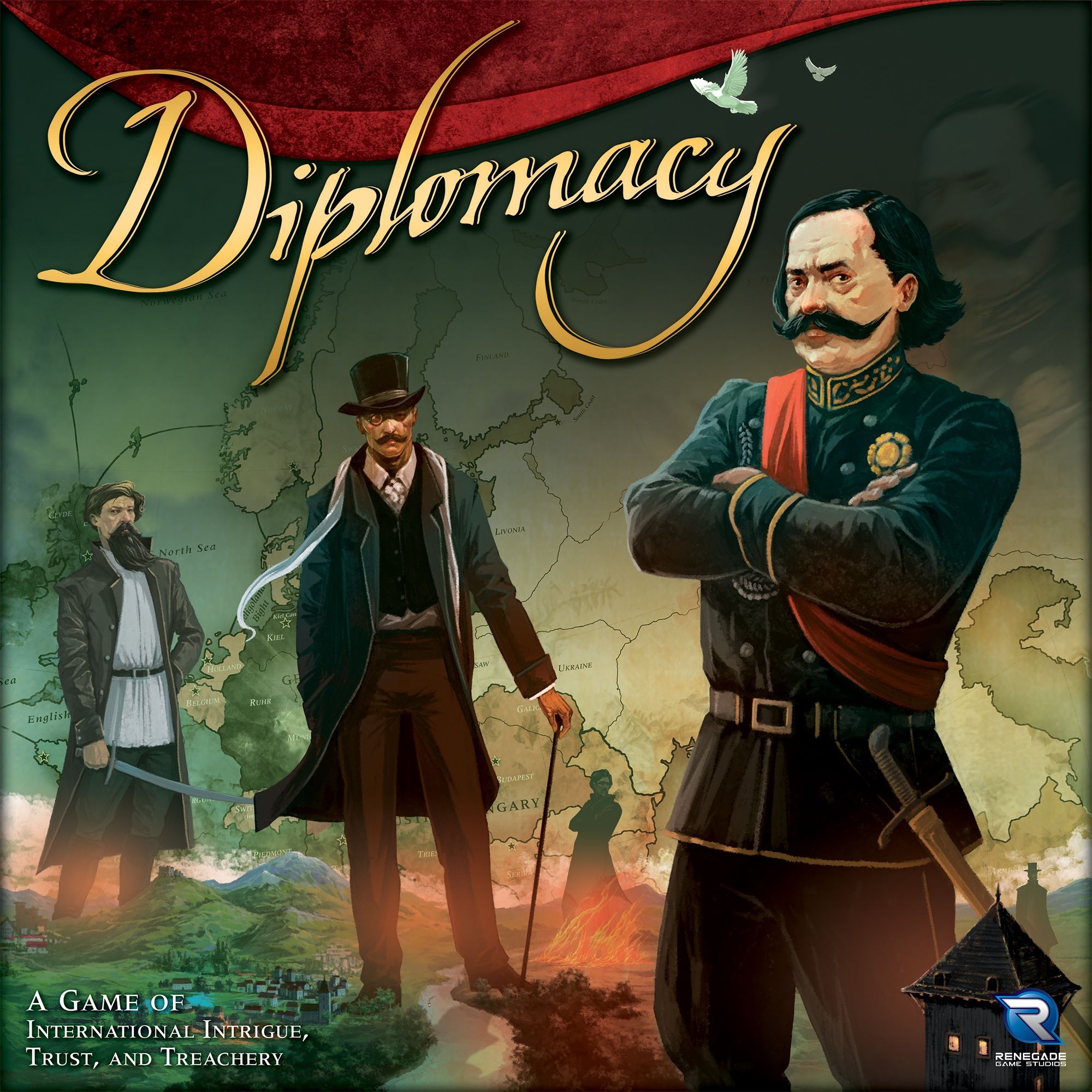
Box and component photos
Tap any photo to open fullscreen. Photos submitted by the community or publisher.
Rules videos
Learn by watching before you open the box
In English
-
 Harsh Rules - Let's Learn to Play Diplomacy
-
 Diplomacy: How to Win as AUSTRIA / Interview with world class player Tanya G. / 42 Tips
-
 A DIPLOMYSTERY: How alliances shift and flow throughout a game to 1934
-
 How to Play Diplomacy (Rules School)
-
 7 PLAY STYLES For The DIPLOMACY Board Game by Avalon Hill
-
 Diplomacy board game BEGINNER'S GUIDE / 13 Tips to get you started / Basic Strategy for Diplomacy
-
 Diplomacy: How to Win as ITALY / World Champion Chris Brand Interview / Diplomacy Strategy
-
 History of Diplomacy / Background of the game / Historical Roots of Diplomacy
-
 8 Diplomacy Archetypes / Media Wars Game / Which Type Are You? / Legendary Tactics
-
 Diplomacy STRATEGY with a WORLD CHAMPION
-
 Diplomacy: The Art of the Stab / Two Formative Lessons / Legendary Tactics
-
 HOW To WIN As ENGLAND In DIPLOMACY / 60 STRATEGIES And TIPS From Umbletheheep
Best player count
BGG community vote
Soundtrack
Ambience suggested by Melodice
Where to Buy
Prices monitored daily
Price history — last 6 months (lowest new offer)
As an Amazon Associate I earn from qualifying purchases. Prices and availability subject to change.
Alert enabled!
Join the BoardGamesBot deals group
Get the best board game deals every day — without message spam.
Join the WhatsApp groupGame details
Mechanics, categories, families and credits
Mechanics
Categories
Families
Community
Data from BoardGameGeek
Frequently Asked Questions
Quick answers before you buy
How long does a game of Diplomacy take?
How many players are needed for a good experience?
What is the complexity level of the rules?
Is there any luck involved in the game?
Can I be eliminated from the game?
Who is this game recommended for?
What are the main components?
Other Games You'll Like
Based on mechanics and theme