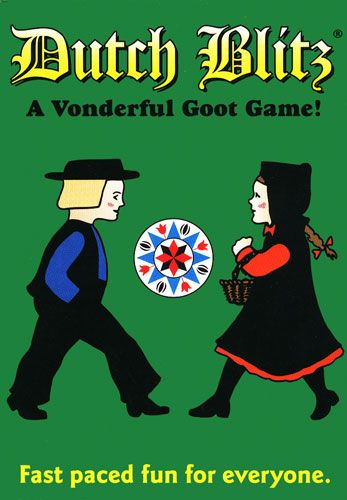
Dutch Blitz
Dutch Blitz Games Company · Board game · 1960
2–4 · best 4
1–15 min
Weight 1.2/5
Buy · from US$ 9.49
7.7
rating
Ludopedia
6.8
rating
BGG
Our Verdict
RECOMMENDED
Perfect for those who hate waiting for their turn and love fast-paced reflex games.
Highlights
- Fast and exciting pace
- Simple and intuitive rules
- Quick and dynamic matches
- Great icebreaker game
Keep in mind
- Can be noisy and chaotic
- Requires quick reflexes
Rules manual not indexed yet
Upload the PDF rulebook to ask questions about this game with AI.
About the game
What you do in a play session
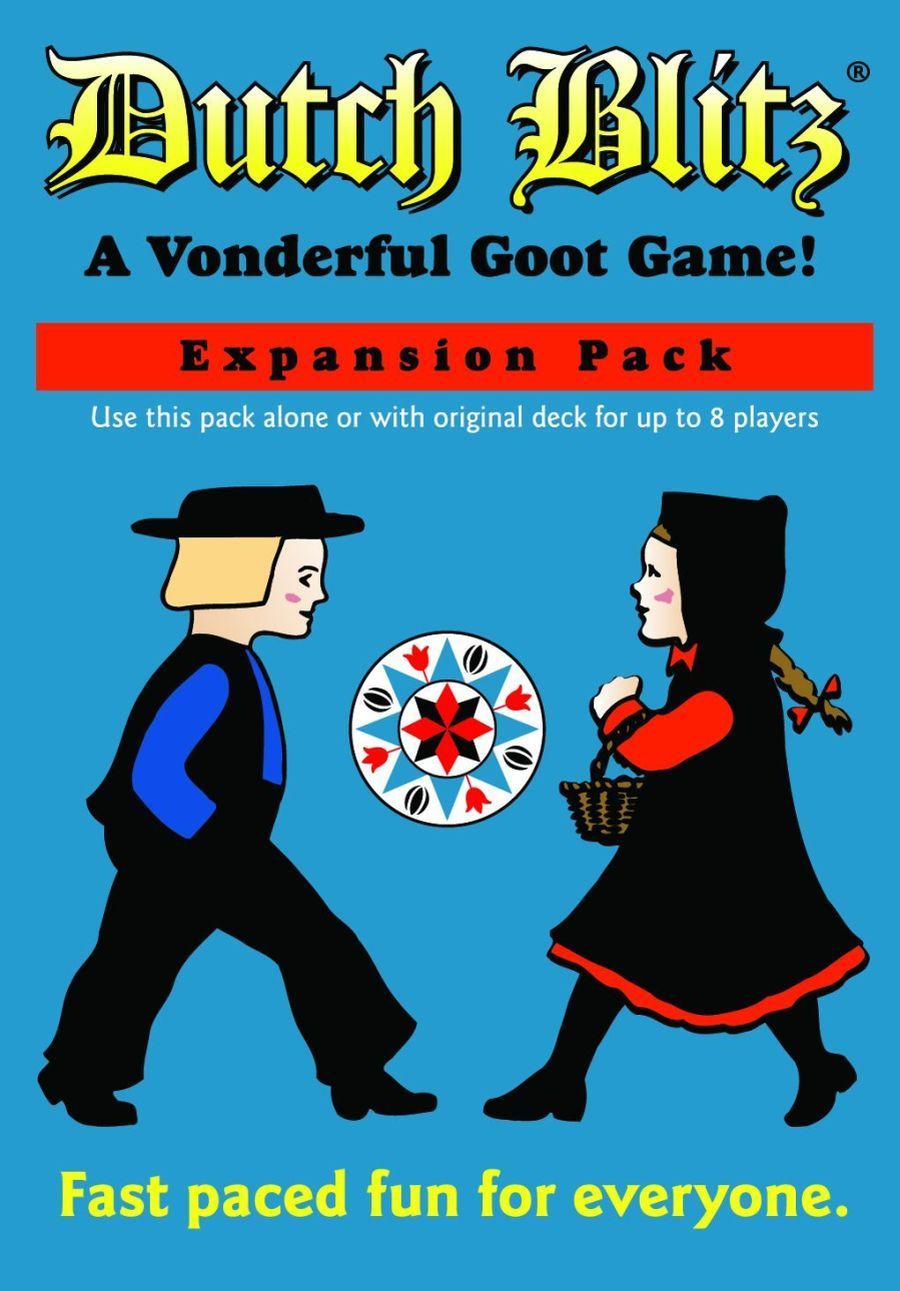
Ever experienced that kind of organized chaos we all love? Dutch Blitz is exactly that. Forget the patience of waiting for your turn; here, everyone plays simultaneously in a frantic race to see who can empty their card pile first. Each player starts with their own 40-card deck, split into four colors and numbered 1 to 10. The goal is simple, but the execution is pure adrenaline: you want to place your cards in the central Dutch piles in ascending order and of the same color. If you have a 1, you start a pile; if you have the 2 of that color, you stack it on the 1, and so on.
But there's a twist! You can also organize your cards in your own personal post piles, but the rules change there: the order must be descending, and you must alternate between the boy and girl characters. If you get stuck and have nowhere to play, you reveal new cards from your hand in groups of three to try and unlock new moves. The round ends the instant someone empties their blitz pile. The scoring is brutal: each of your cards in the center earns you one point, but every card left in your blitz pile costs you two points. It's a game of reflexes, observation, and sheer speed. The first person to reach 75 points wins the game. It's the perfect game to energize a group, generate laughs, and maybe some light arguments about who was actually faster. Easy to learn, but the tension of watching your opponent play their last card while you still have five left is what makes it addictive.
But there's a twist! You can also organize your cards in your own personal post piles, but the rules change there: the order must be descending, and you must alternate between the boy and girl characters. If you get stuck and have nowhere to play, you reveal new cards from your hand in groups of three to try and unlock new moves. The round ends the instant someone empties their blitz pile. The scoring is brutal: each of your cards in the center earns you one point, but every card left in your blitz pile costs you two points. It's a game of reflexes, observation, and sheer speed. The first person to reach 75 points wins the game. It's the perfect game to energize a group, generate laughs, and maybe some light arguments about who was actually faster. Easy to learn, but the tension of watching your opponent play their last card while you still have five left is what makes it addictive.
Gallery
Box and component photos
Tap any photo to open fullscreen. Photos submitted by the community or publisher.
Rules videos
Learn by watching before you open the box
In English
-
 How to Play Dutch Blitz (Official publisher instructional video)
-
 How to play Dutch Blitz
-
 Dutch Blitz - How to Play
-
 Introduction to Dutch Blitz
-
 How To Play Dutch Blitz (the right way)
-
 How To Play Dutch Blitz In Under A Minute
-
 How To Set Up A Game Of Dutch Blitz In Under 30 Seconds
-
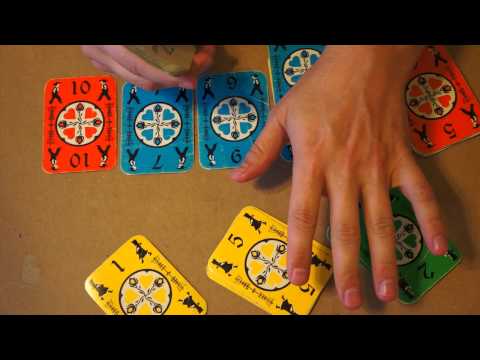 Detailed explanation of Dutch Blitz game-play (20 minutes)
Best player count
BGG community vote
2
OK
3
REC
4
BEST
Soundtrack
Ambience suggested by Melodice
Loading playlist...
Where to Buy
Prices monitored daily
Finding best prices...
Prices unavailable at this time.
Price history — last 6 months (lowest new offer)
As an Amazon Associate I earn from qualifying purchases. Prices and availability subject to change.
Alert enabled!
Join the BoardGamesBot deals group
Get the best board game deals every day — without message spam.
Join the WhatsApp groupGame details
Mechanics, categories, families and credits
Mechanics
Categories
Families
Publisher
Dutch Blitz Games Company
Designer
Werner Ernst George Muller
Community
Data from BoardGameGeek
13,137owners
423wishlist
33want to play
Frequently Asked Questions
Quick answers before you buy
Does the game take long to finish?
Not at all! Each round lasts only a few minutes, and a full game is usually very fast, perfect for those wanting something dynamic.
Is it hard to learn?
Very easy. In five minutes you'll understand the logic of ascending numbers in the center and descending in your personal piles.
How many people can play?
The base version is for 2 to 4 players, but there is an expansion that allows up to 8 players.
Do I need a large table?
A medium space is enough, but remember that cards fly toward the center, so a bit of extra room helps avoid collisions!
Is it suitable for children?
Yes, as long as they have basic motor skills and can count from 1 to 10. It's great for training reflexes.
Other Games You'll Like
Based on mechanics and theme