Ginkgopolis — Price & soundtrack
Pearl Games, Heidelberger Spieleverlag, Hobby Japan · Board game · 2012
1–5 · best 3
Solo
45 min
Weight 2.9/5
Buy · from US$ 15.48
8.1
rating
Ludopedia
7.5
rating
BGG
Our Verdict
RECOMMENDED
Perfect for those who enjoy Eurogames with indirect interaction and the satisfaction of vertical city growth.
Highlights
- Innovative layering mechanic
- Dynamic and fast action selection
- Great solarpunk theme implementation
- Tense drafting and hand management
Keep in mind
- Moderate initial learning curve
- Interaction might be frustrating for some
Rules manual not indexed yet
Upload the PDF rulebook to ask questions about this game with AI.
About the game
What you do in a play session
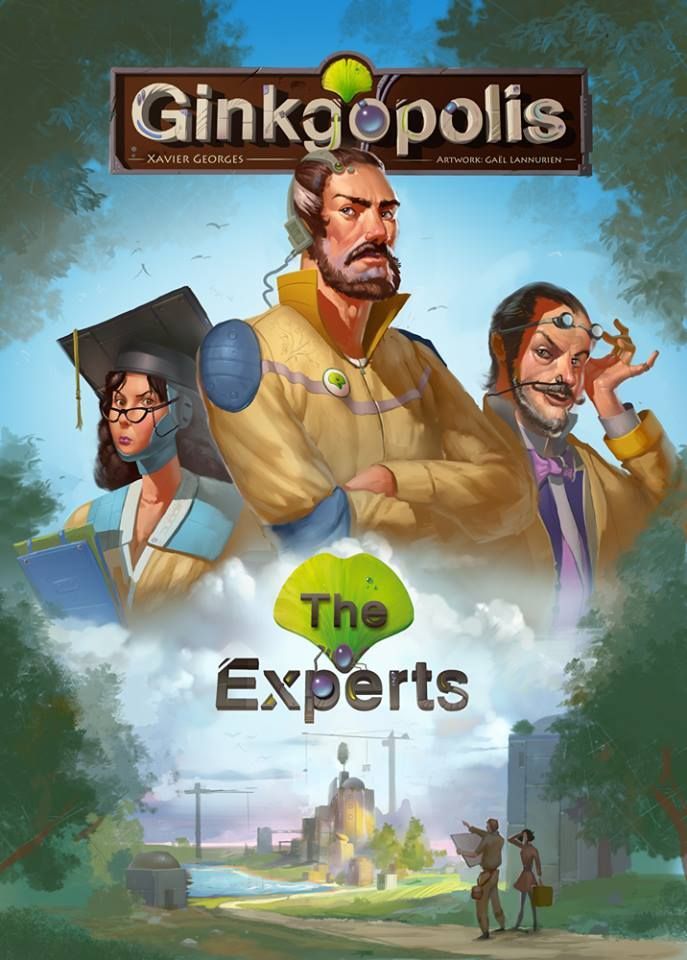
Fast forward to the year 2212. Humanity has exhausted the Earth's resources, and the only way forward is to live in total symbiosis with nature. The symbol of this new era is the Ginkgo Biloba, the world's strongest tree, and around it, you must plan the city of Ginkgopolis. The catch? Habitable space is scarce, so the only way to grow is upward. You step into the shoes of an urban planner, striving to balance resource production and consumption while outsmarting your rivals.
In the game, you gather a team of experts and expand the city using tiles in three distinct colors: yellow tiles provide victory points, red tiles generate essential resources, and blue tiles grant you more city tiles. The gameplay is dynamic, with players selecting their action cards simultaneously. You can either expand the city's borders or, for a more strategic move, build directly on top of existing tiles.
Be careful, though! The game features a drafting mechanic where the cards you don't play are passed to your left-hand neighbor. If you hold onto a powerful card for too long, you might just hand your opponent the win. Additionally, when you build over a tile, you acquire 'Power Cards' for your personal tableau, granting you special abilities to scale up your building and point-scoring efficiency. It's a game of positioning, hand management, and keen observation of your opponents' moves. Do you have what it takes to create the most sustainable and efficient metropolis in Ginkgopolis?
In the game, you gather a team of experts and expand the city using tiles in three distinct colors: yellow tiles provide victory points, red tiles generate essential resources, and blue tiles grant you more city tiles. The gameplay is dynamic, with players selecting their action cards simultaneously. You can either expand the city's borders or, for a more strategic move, build directly on top of existing tiles.
Be careful, though! The game features a drafting mechanic where the cards you don't play are passed to your left-hand neighbor. If you hold onto a powerful card for too long, you might just hand your opponent the win. Additionally, when you build over a tile, you acquire 'Power Cards' for your personal tableau, granting you special abilities to scale up your building and point-scoring efficiency. It's a game of positioning, hand management, and keen observation of your opponents' moves. Do you have what it takes to create the most sustainable and efficient metropolis in Ginkgopolis?
Expansions
Published additional content
Gallery
Box and component photos
Tap any photo to open fullscreen. Photos submitted by the community or publisher.
Rules videos
Learn by watching before you open the box
In English
-
 How To Play - overview in less than 8 minutes
-
 Ginkgopolis - Tutorial & Full Playthrough
-
 boardgame nation: Ginkgopolis how to play video
-
 Ginkgopolis - Learning & Playthrough
-
 Ginkgopolis Board Game | Full Solo Playthrough and Tutorial | Abstract City Building Masterpiece!
-
 Ginkgopolis ... Setup and Rules by the Crabby Dice
-
 Spiel mit Stan - Episode 03 - Ginkgopolis
-
 FD Boardgames - Game Setup Ginkgopolis
Best player count
BGG community vote
1
REC
2
BEST
3
BEST
4
REC
5
OK
Soundtrack
Ambience suggested by Melodice
Loading playlist...
Where to Buy
Prices monitored daily
Finding best prices...
Prices unavailable at this time.
Price history — last 6 months (lowest new offer)
Alert enabled!
Join the BoardGamesBot deals group
Get the best board game deals every day — without message spam.
Join the WhatsApp groupGame details
Mechanics, categories, families and credits
Mechanics
Categories
Families
Publisher
Pearl Games, Heidelberger Spieleverlag, Hobby Japan, SD Games, uplay.it edizioni, Z-Man Games
Designer
Xavier Georges
Artist
Gaël Lannurien
Community
Data from BoardGameGeek
10,611owners
3,112wishlist
620want to play
Frequently Asked Questions
Quick answers before you buy
Is the game too complex?
It has a medium weight (around 2.9 on BGG). It's not an entry-level game, but it's far from impossible; the rules are logical, though the layering strategy requires focus.
Can I play it solo?
Yes! The game includes a solo/solitaire mode for those who want to test their urban planning skills without the pressure of other players.
How long does a game take?
Usually around 45 minutes, which is quite fast for a city-building game.
Is it language dependent?
No. The game is virtually text-free, so you can play any version without worrying about translation.
Who would you recommend Ginkgopolis to?
Anyone who loves tile-placement, area control, and that satisfying feeling of building something bigger every turn.
Other Games You'll Like
Based on mechanics and theme