Imperial — Prices
PD-Verlag, eggertspiele, Rio Grande Games · Board game · 2006
2–6 · best 4
120–180 min
Weight 3.6/5
Buy · from US$ 39.95
8.3
rating
Ludopedia
7.6
rating
BGG
Our Verdict
RECOMMENDED
Perfect for those who love heavy strategy and area control games with a financial twist. The nation-switching ownership system is brilliant.
Highlights
- Innovative investment mechanics
- Zero luck (no dice/cards)
- Intense and volatile diplomacy
- Incredible strategic depth
Keep in mind
- Steep learning curve
- Very long playtimes
Rules manual not indexed yet
Upload the PDF rulebook to ask questions about this game with AI.
About the game
What you do in a play session
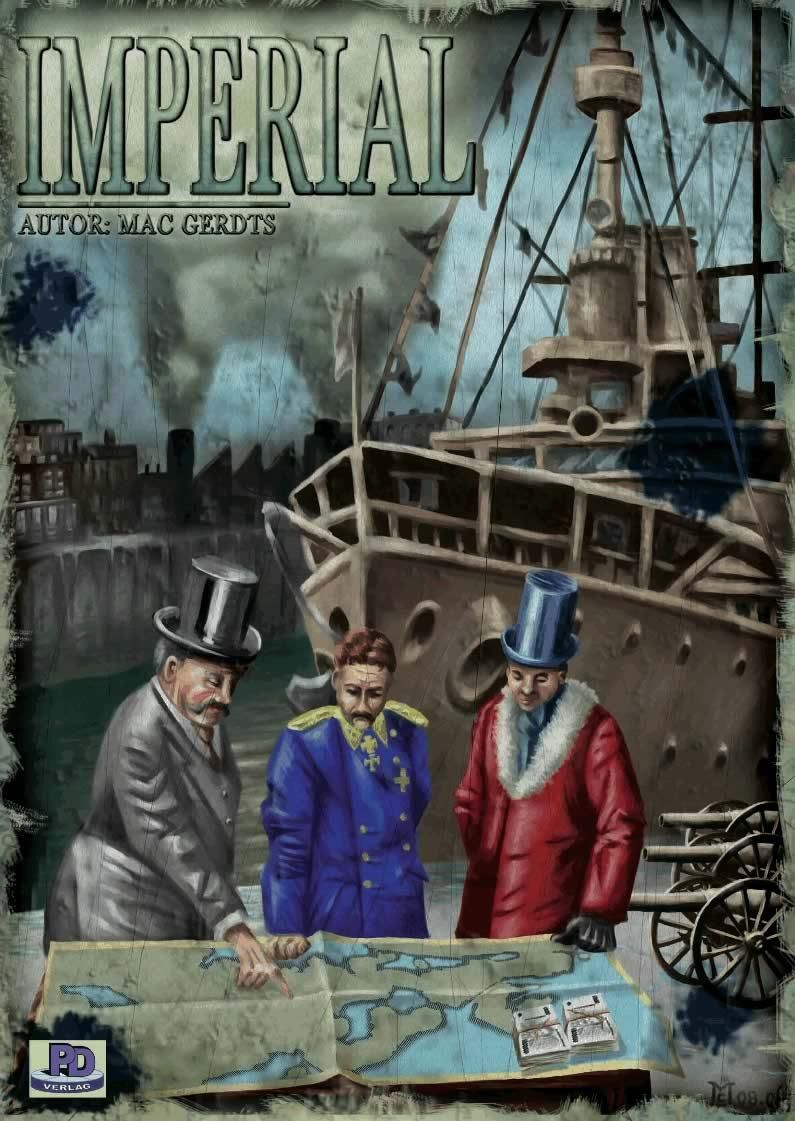
Imagine yourself as a financial tycoon operating in the shadows of 19th-century Europe. In Imperial, you don't simply control 'one' nation; instead, you invest in several of them. The game casts you as an international investor purchasing bonds in six imperial powers: Great Britain, France, Russia, the German Empire, Italy, and Austria-Hungary. The genius twist is that you might control France now, but if another player invests more heavily, they take over the leadership, leaving you as a shareholder waiting for dividends.
While leading a nation, you decide how it expands its empire: building factories to generate wealth, recruiting armies to seize territories, or assembling fleets to dominate the seas. The dynamics are frantic because alliances shift every round. You might use Russia to crush Germany, but if someone buys out Russia, that same nation could be turned against you in the next turn. It's a geopolitical game of chess where money is the primary weapon.
The heart of the game is the Rondel system, which dictates which actions you can take, forcing you to plan your moves with precision. There are no dice or cards to save you; victory depends entirely on your capacity for speculation, diplomacy, and timing. You must balance the territorial expansion of the nations you control so they pay generous interest to their investors, while ensuring that, by the end, you own the most powerful nations on the map. It is a dense, strategic, and highly rewarding title for those who love watching the map change colors while manipulating the European economy from behind the curtains.
While leading a nation, you decide how it expands its empire: building factories to generate wealth, recruiting armies to seize territories, or assembling fleets to dominate the seas. The dynamics are frantic because alliances shift every round. You might use Russia to crush Germany, but if someone buys out Russia, that same nation could be turned against you in the next turn. It's a geopolitical game of chess where money is the primary weapon.
The heart of the game is the Rondel system, which dictates which actions you can take, forcing you to plan your moves with precision. There are no dice or cards to save you; victory depends entirely on your capacity for speculation, diplomacy, and timing. You must balance the territorial expansion of the nations you control so they pay generous interest to their investors, while ensuring that, by the end, you own the most powerful nations on the map. It is a dense, strategic, and highly rewarding title for those who love watching the map change colors while manipulating the European economy from behind the curtains.
Gallery
Box and component photos
Tap any photo to open fullscreen. Photos submitted by the community or publisher.
Rules videos
Learn by watching before you open the box


Best player count
BGG community vote
2
OK
3
REC
4
BEST
5
REC
6
OK
Soundtrack
Ambience suggested by Melodice
Loading playlist...
Where to Buy
Prices monitored daily
Finding best prices...
Prices unavailable at this time.
Price history — last 6 months (lowest new offer)
Alert enabled!
Join the BoardGamesBot deals group
Get the best board game deals every day — without message spam.
Join the WhatsApp groupGame details
Mechanics, categories, families and credits
Mechanics
Categories
Families
Publisher
PD-Verlag, eggertspiele, Rio Grande Games
Designer
Mac Gerdts
Artist
Matthias Catrein
Community
Data from BoardGameGeek
8,137owners
2,106wishlist
474want to play
Frequently Asked Questions
Quick answers before you buy
Is the game hard to learn?
It has a medium-high complexity (3.5 weight on BGG). If you're experienced with strategy games, you'll get it, but the first game is usually a learning experience.
How long does a game take?
Prepare to spend 2 to 3 hours. With more players, the time tends to increase due to the diplomacy involved.
Is there any luck involved?
None. There are no dice or luck-based cards. Everything depends on player decisions and Rondel positioning.
Does it work well with 2 players?
Yes, but the experience changes. With more players, the politics and ownership shifts become much more chaotic and fun.
Who is this game for?
For those who enjoy heavy 'euro' games, historical themes, and manipulating the economy to win.
Other Games You'll Like
Based on mechanics and theme