—
rating
Ludopedia
7.1
rating
BGG
Our Verdict
HIGHLY RECOMMENDED
If you love a race of historic discoveries, Jenseits von Theben will hook you; the time track keeps everything lively.
Highlights
- Engaging time management
- Compelling archaeology theme
- High replay value
- Gentle learning curve
Keep in mind
- Luck influences digs
- Modest components
- Play time can vary
Rules manual not indexed yet
Upload the PDF rulebook to ask questions about this game with AI.
About the game
What you do in a play session
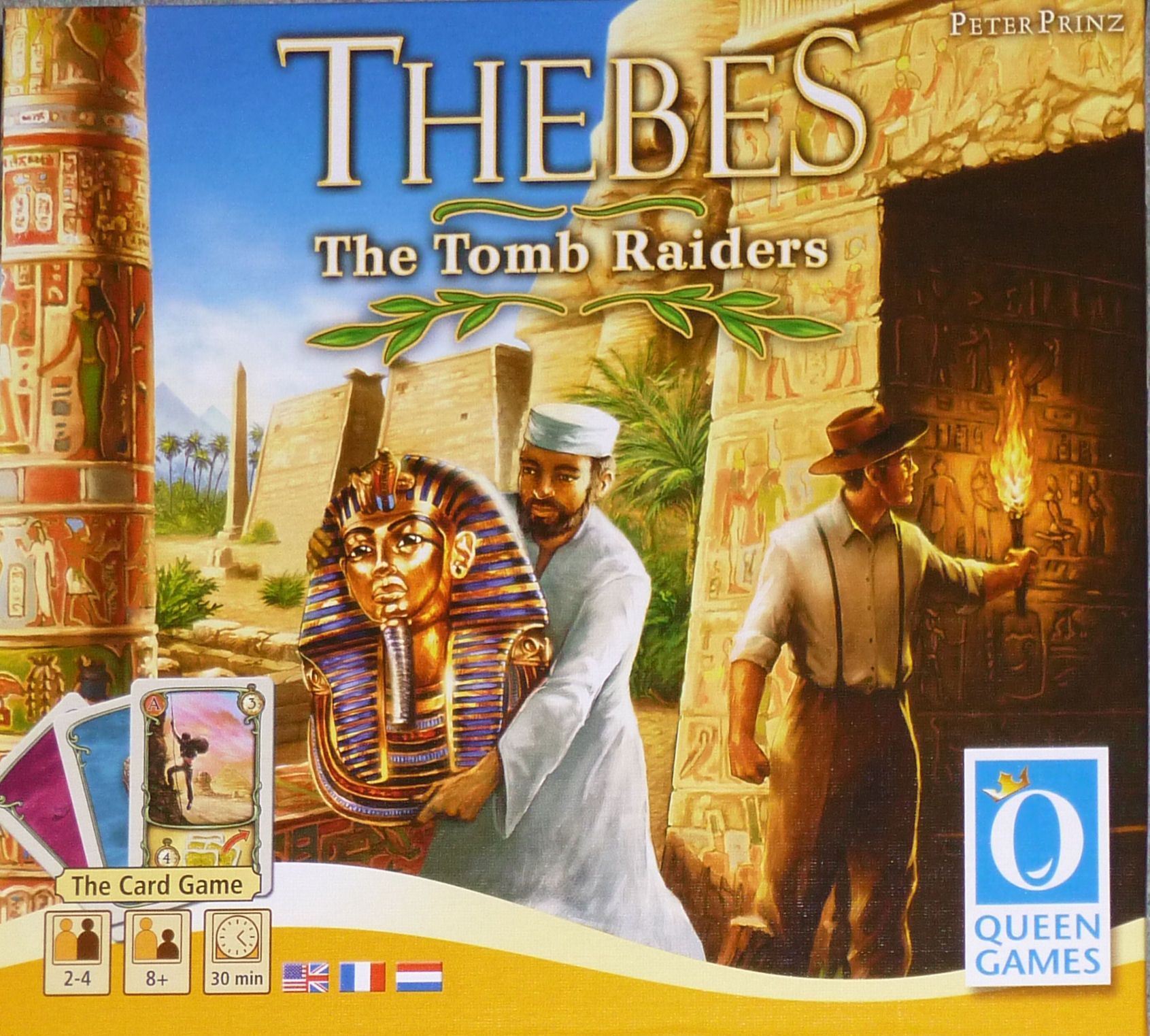
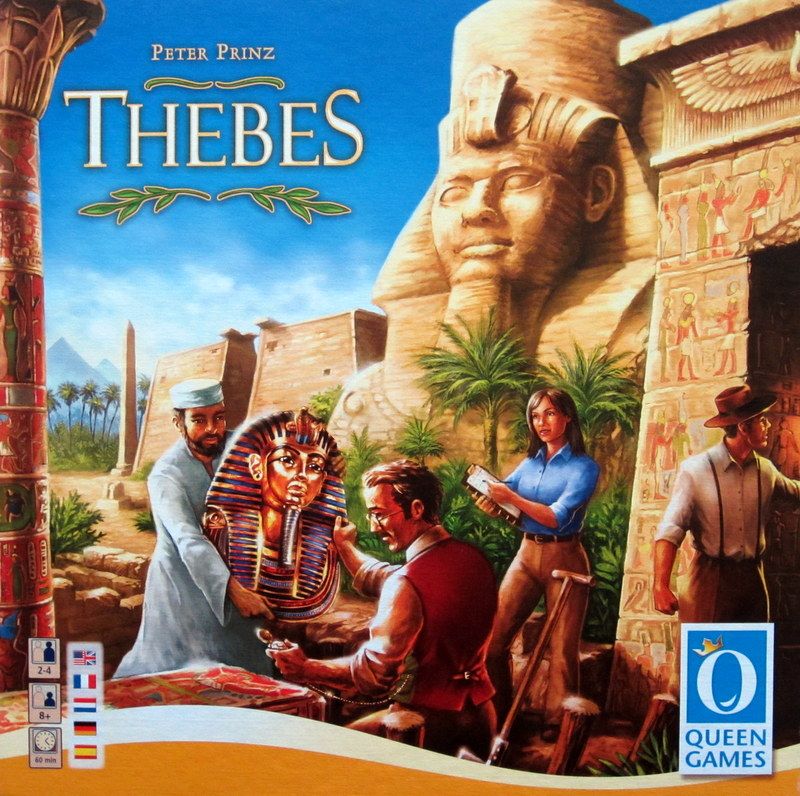
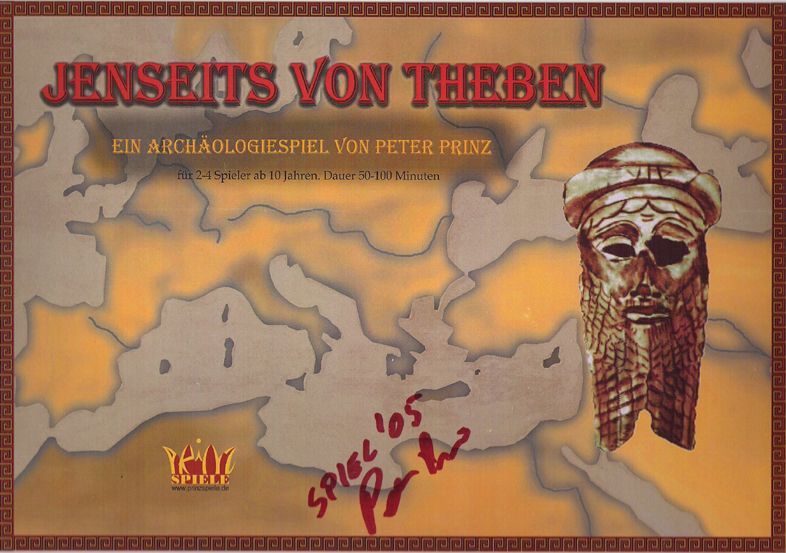
Jenseits von Theben casts you as a competitive archaeologist traveling across Europe to gather knowledge about five ancient cultures – Greeks, Cretans, Egyptians, Palestinians and Macedonians. Each game spans two or three in‑game years, and every action costs time: moving between cities takes a week, studying a culture consumes several weeks, and excavating a site can require dozens of weeks. Time is tracked on a 52‑space loop around the board; whenever you perform an action you move your time marker forward, and the player farthest back on the track takes the next turn. This creates a race‑against‑the‑clock feeling: while you are busy digging, opponents may be traveling, researching, or attending major European exhibitions. At exhibitions, the archaeologist who arrives on time with the best artifact collection (plus a small die roll) wins the purse. Each civilization has its own artifact deck: twelve treasures of varying point values, two knowledge cards and sixteen dirt cards. At setup, seven cards from each deck are removed unseen, introducing imperfect information. When you excavate, you reveal cards; treasures go to your collection while dirt is shuffled back, keeping randomness alive. The more knowledge you have about a culture, the more cards are revealed per turn, boosting your odds of pulling treasures before rivals. The game includes European maps, archaeologist tokens, time markers, artifact/knowledge/dirt cards, and dice for exhibition resolution. Jenseits von Theben blends strategic planning, time‑management, and a dash of luck, all wrapped in an archaeology theme that appeals to history buffs and exploration gamers alike. Suitable for 2‑4 players, a playthrough lasts about 75 minutes and carries a light complexity (weight 2.4/5), making it an approachable entry for anyone wanting a taste of an archaeological expedition.
Gallery
Box and component photos
Tap any photo to open fullscreen. Photos submitted by the community or publisher.
Best player count
BGG community vote
2
REC
3
BEST
4
REC
Soundtrack
Ambience suggested by Melodice
Loading playlist...
Where to Buy
Prices monitored daily
Finding best prices...
Prices unavailable at this time.
Price history — last 6 months (lowest new offer)
As an Amazon Associate I earn from qualifying purchases. Prices and availability subject to change.
Alert enabled!
Join the BoardGamesBot deals group
Get the best board game deals every day — without message spam.
Join the WhatsApp groupGame details
Mechanics, categories, families and credits
Mechanics
Categories
Families
Publisher
Prinz Spiele
Designer
Peter Prinz
Community
Data from BoardGameGeek
573owners
136wishlist
32want to play
Frequently Asked Questions
Quick answers before you buy
How many players can join?
The game supports 2 to 4 players.
What is the typical playing time?
Around 75 minutes, though it can stretch depending on player choices.
How complex is the game?
It has a BGG weight of 2.4/5, considered light to moderate.
What components are included in the box?
European map, archaeologist tokens, time markers, artifact/knowledge/dirt decks, dice, and exhibition cards.
Do I need prior historical knowledge?
No, the game teaches about the civilizations as you play, though some background can help planning.
How does the turn order mechanic work?
Turns go to the player farthest back on the time track; actions that take more weeks push your marker forward, delaying your next turn.
Is there a lot of randomness?
Artifact discovery is card‑based, so there is luck, but higher knowledge levels mitigate uncertainty.
Other Games You'll Like
Based on mechanics and theme