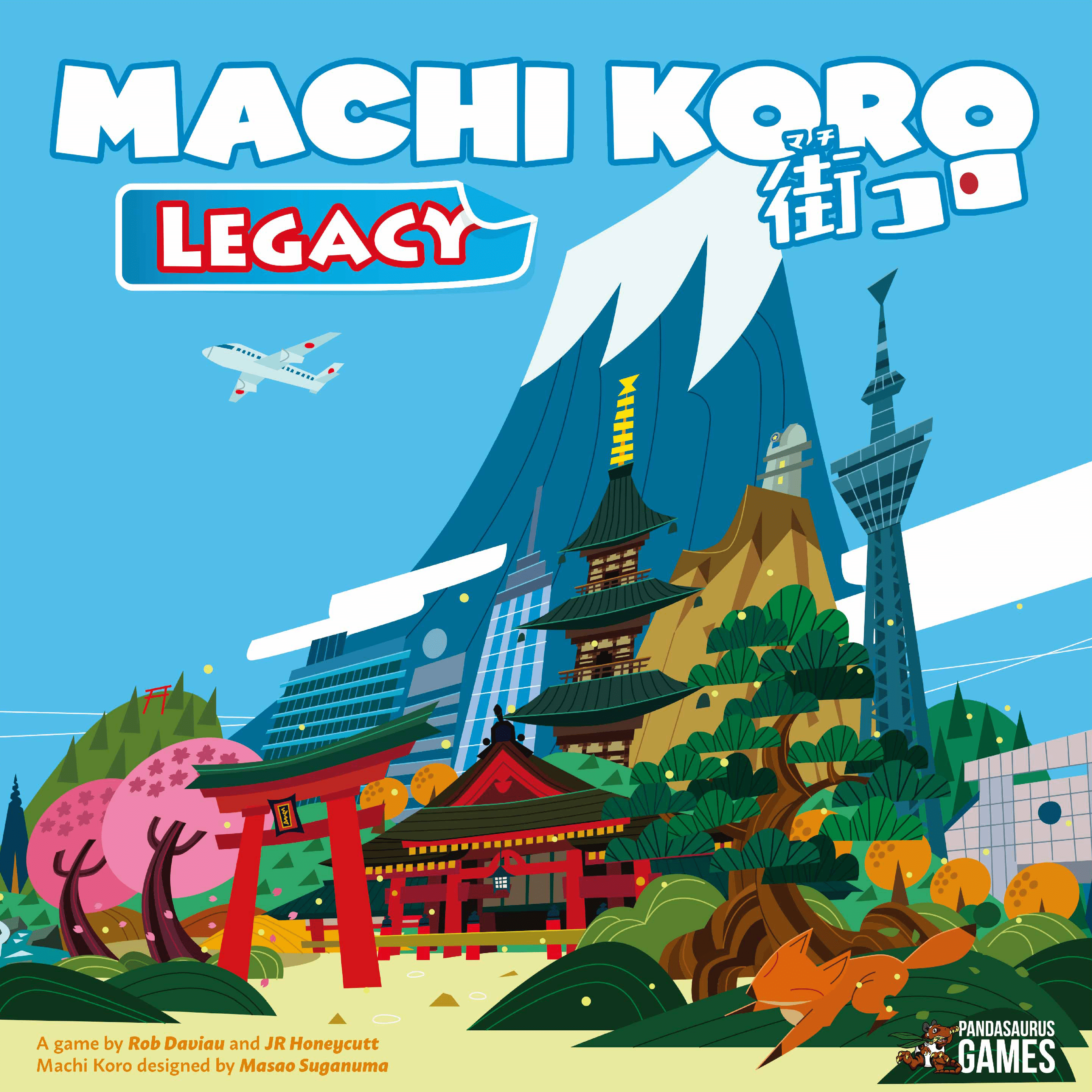
Machi Koro Legacy
Pandasaurus Games, 999 Games, asmodee · Board game · 2019
2–4 · best 4
30–45 min
Weight 1.9/5
Buy · from US$ 37.50
7.6
rating
Ludopedia
6.9
rating
BGG
Our Verdict
HIGHLY RECOMMENDED
Who’ll love it: Machi Koro fans and city‑building enthusiasts seeking adventure, with a highlight: the city evolves every game.
Highlights
- Daily city evolution
- Engaging collective narrative
- Fun legacy mechanic
- Accessible quick play
- Consistent quality components
Keep in mind
- Modified rules demand attention
- Post‑game review required
- Complexity rises with legacy
Rules manual not indexed yet
Upload the PDF rulebook to ask questions about this game with AI.
About the game
What you do in a play session
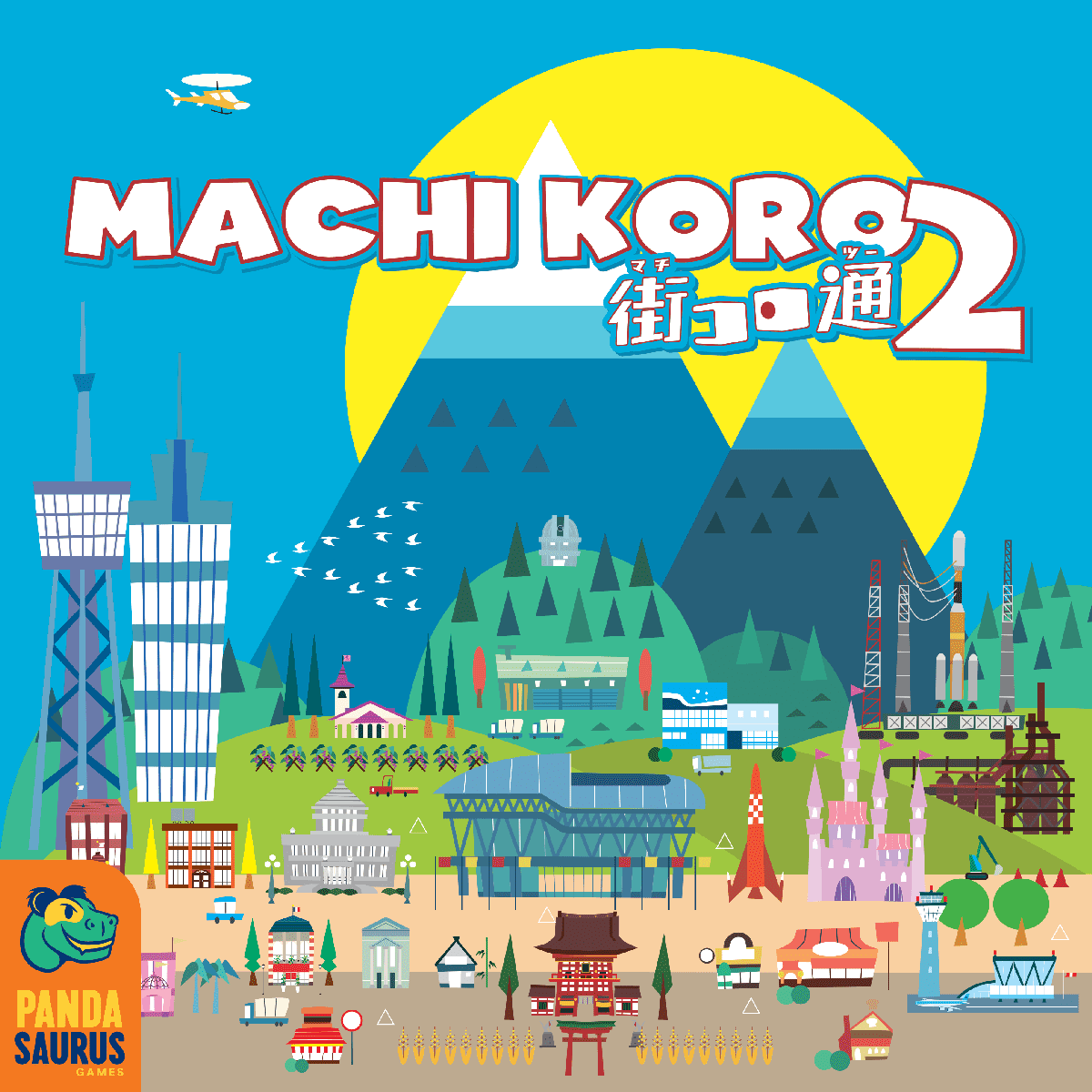
Machi Koro Legacy brings back the charm of the original but with an epic adventure twist. The core mechanic remains dice rolling, income collection, and the race to build iconic landmarks, but each roll can unlock new paths: production bonuses, event cards, and even choices that reshape the city. The big difference is the legacy system: at the end of every game, players receive cards that modify rules, alter production of certain locations, or introduce new locations for the next game. Thus, each game the city evolves and the story unfolds.
The series is made up of ten games, each with a different scenario or mission. Players not only compete for points but also advance a collective narrative that reveals secrets of the city, characters, and events that change the flow of play. Even if someone doesn’t win the current game, the decisions made generate effects that influence the next rounds, creating a dynamic storyline that rewards long‑term strategy.
Components are the same as the original edition: four‑colored dice, production and event cards, and point tokens. The only addition is the legacy cards, which come in thematic packs and let each group tailor the experience. The learning curve stays approachable, but the legacy aspect may require a bit more attention when reviewing the modified rules. If you’re familiar with Machi Koro and enjoy city‑building games with a dash of unpredictability, Machi Koro Legacy offers hours of fun and a narrative that grows with your city.
The series is made up of ten games, each with a different scenario or mission. Players not only compete for points but also advance a collective narrative that reveals secrets of the city, characters, and events that change the flow of play. Even if someone doesn’t win the current game, the decisions made generate effects that influence the next rounds, creating a dynamic storyline that rewards long‑term strategy.
Components are the same as the original edition: four‑colored dice, production and event cards, and point tokens. The only addition is the legacy cards, which come in thematic packs and let each group tailor the experience. The learning curve stays approachable, but the legacy aspect may require a bit more attention when reviewing the modified rules. If you’re familiar with Machi Koro and enjoy city‑building games with a dash of unpredictability, Machi Koro Legacy offers hours of fun and a narrative that grows with your city.
Gallery
Box and component photos
Tap any photo to open fullscreen. Photos submitted by the community or publisher.
Rules videos
Learn by watching before you open the box

Best player count
BGG community vote
2
REC
3
BEST
4
BEST
Soundtrack
Ambience suggested by Melodice
Loading playlist...
Where to Buy
Prices monitored daily
Finding best prices...
Prices unavailable at this time.
Price history — last 6 months (lowest new offer)
As an Amazon Associate I earn from qualifying purchases. Prices and availability subject to change.
Alert enabled!
Join the BoardGamesBot deals group
Get the best board game deals every day — without message spam.
Join the WhatsApp groupGame details
Mechanics, categories, families and credits
Mechanics
Categories
Families
Publisher
Pandasaurus Games, 999 Games, asmodee, Devir, Happy Baobab, Hobby World
Designer
JR Honeycutt, Masao Suganuma, Rob Daviau
Artist
Noboru Hotta
Community
Data from BoardGameGeek
6,468owners
1,166wishlist
105want to play
Frequently Asked Questions
Quick answers before you buy
How many players can play?
2 to 4 players.
How long does a game last?
30 to 45 minutes.
What is the game’s complexity?
Medium; easy for Machi Koro veterans, but legacy adds extra attention.
What components are included?
Four‑colored dice, production cards, event cards, point tokens and legacy cards.
Is it good for beginners?
Yes, if you’re familiar with Machi Koro; the legacy can be a bit more challenging.
Does the legacy alter rules?
Yes, at the end of each game, legacy cards change rules, introduce new sites or modify production.
Is there an language dependency?
The original edition is in English, so you may need to translate or use a Portuguese version.
Other Games You'll Like
Based on mechanics and theme