Magic: The Gathering
Wizards of the Coast, Keyword Fights · Board game · 1993What do you want to do now
Ask anything about Magic: The Gathering: rules, setup, components, complexity, price, or whether it fits your group.
If you're looking for a game with unparalleled strategic depth and a rich history, Magic: The Gathering is a must-play. It's the original collectible card game that set the standard for an entire genre.
- Deep strategic gameplay and deck construction
- Vast fantasy universe and lore
- Endless replayability with new cards
- Strong community and competitive scene
- High initial cost for collecting cards
- Steep learning curve for new players
- Can be time-consuming to keep up
About the game
What you do in a play session
The main goal is to reduce your opponent's 20 life points to zero, or fulfill another specific win condition. Deck construction is a crucial step and happens even before the game begins. With over 25,000 different cards (and counting!), the possibilities are almost endless. Cards are divided into lands, which generate mana (the magical energy to cast spells), and spells, which require a certain amount of mana to be used. Some cards, such as creatures, artifacts, and enchantments, remain on the battlefield, continuously impacting the game, while others have a unique and immediate effect.
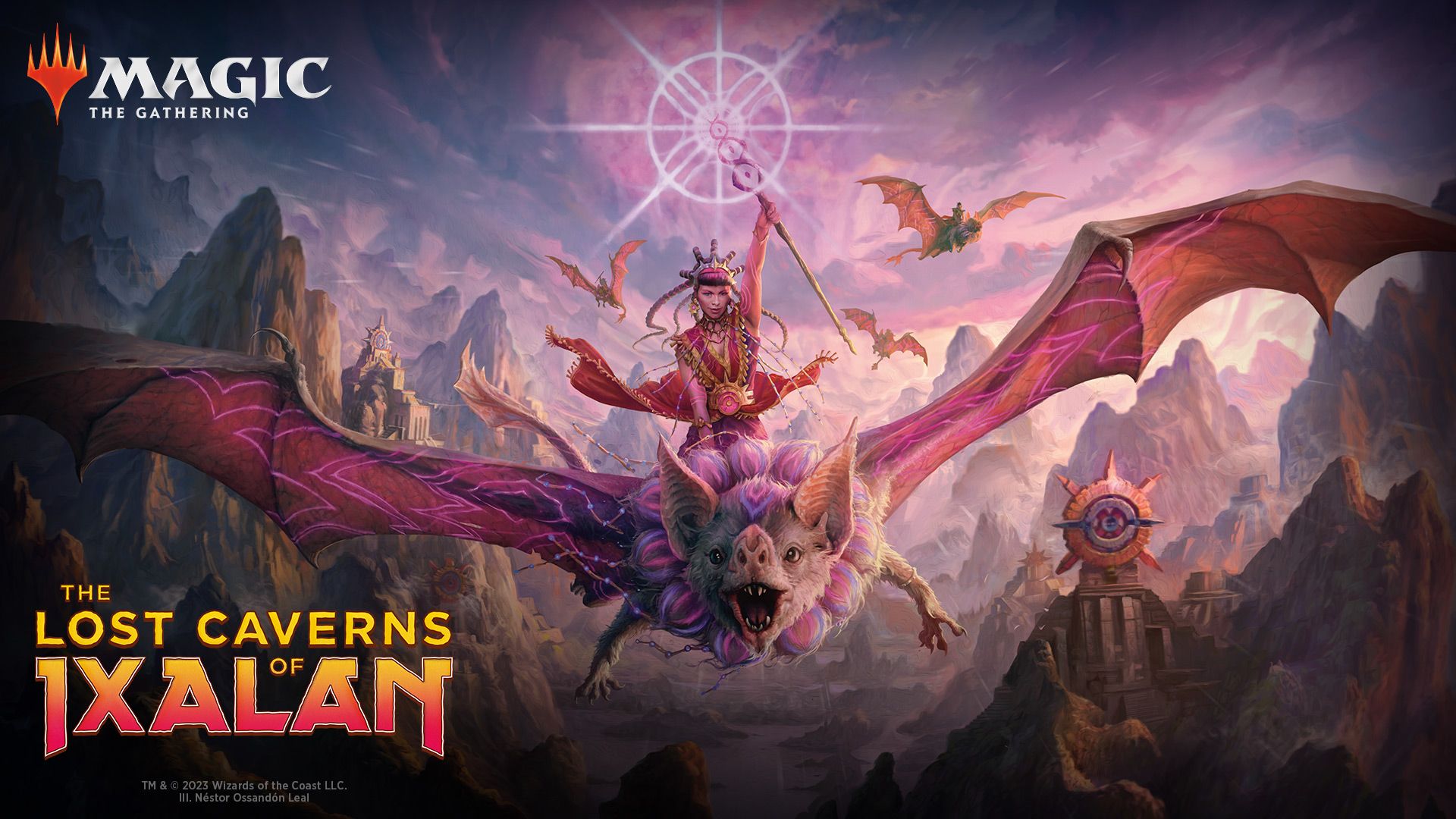
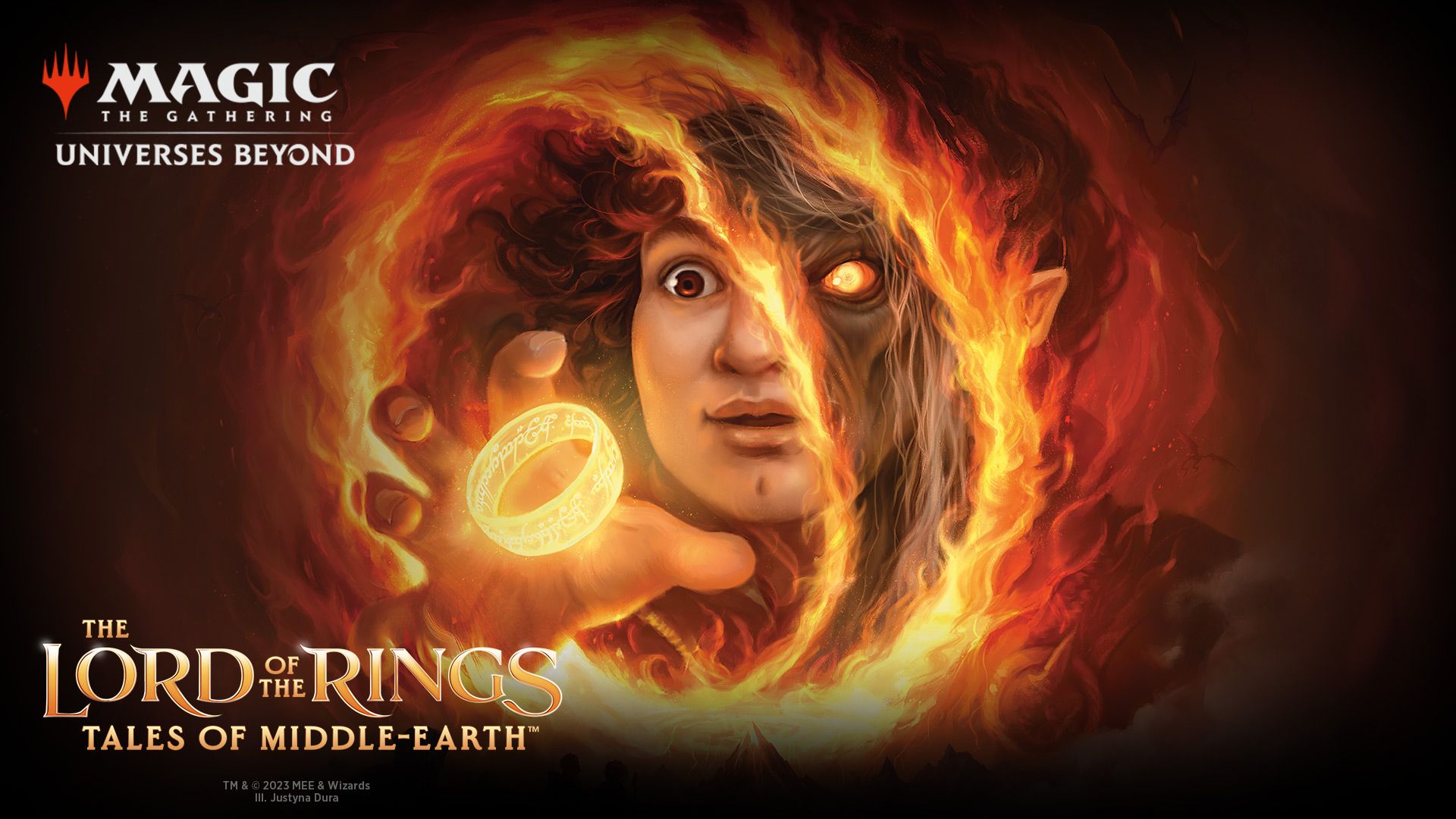
During the game, you randomly draw cards each turn and decide how to use your spells. While this introduces an element of luck, the strategy lies in how you manage your hand and interact with your opponent's plays. The rules are rich in detail, including the intricate 'stack' system for reactive plays, which ensures complex tactical decisions each turn. Although traditionally a two-player duel, Magic offers various casual and competitive formats that allow more people to participate. Formats like Standard, Modern, and Legacy define which card sets are allowed, while the popular Commander, usually for four players, challenges players to build a unique 100-card deck with a legendary commander and special rules, fostering epic matches full of twists and turns. The card illustrations, by renowned artists, are a spectacle in themselves and an attraction for collectors.
Expansions
Published additional content
Gallery
Box and component photos
Tap any photo to open fullscreen. Photos submitted by the community or publisher.
Rules videos
Learn by watching before you open the box
In English
-
 5 Quick Tips - How to Build Your First Magic: The Gathering (MTG) Deck For Beginners
-
 Drafting Strategy Primer
-
 How To Be A Better Magic: The Gathering Player | Top 5 Tips
-
 How to play Magic the Gathering
-
 MTGNostalgia - Searching old boosters
-
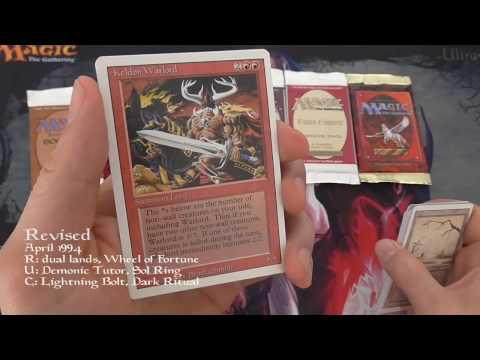 MtG Time Walk ep. 1
-
 Level Up Does 10: Magic the Gathering Red Nostalgia (Ice age, Mirage, Visions, 4th ed., 1995-1997)
-
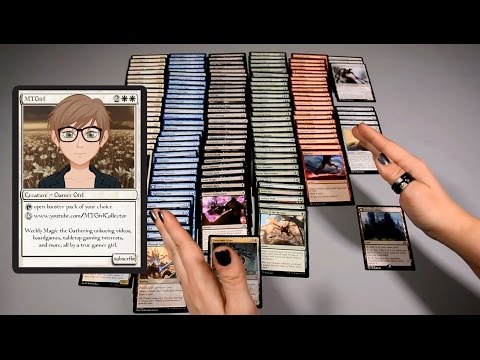 MTGirl: SOI Deck Builder's Toolkit Part 2 of 3
-
 MtG Time Walk ep. 2
-
 Hate Drafting & Magic: The Gathering // Atomic Game Theory Episode 4
-
 How to Build a Strong Sealed Magic The Gathering Deck At Prerelease for Beginners & Newbies
-
 Let's Unbox Battle for Zendikar Fat Pack
Rules manual
Official PDF file
Best player count
BGG community vote
Soundtrack
Ambience suggested by Melodice
Where to Buy
Prices monitored daily
Price history — last 6 months (lowest new offer)
Alert enabled!
Join the BoardGamesBot deals group
Get the best board game deals every day — without message spam.
Join the WhatsApp groupGame details
Mechanics, categories, families and credits
Mechanics
Categories
Families
Community
Data from BoardGameGeek
Frequently Asked Questions
Quick answers before you buy
How many players can play Magic: The Gathering?
What is the average duration of a Magic game?
Is Magic: The Gathering a complex game for beginners?
Do I need to buy many cards to play Magic?
What are the different Magic formats?
Magic: The Gathering is a collectible card game. Does that mean the cards have value?
Who is Magic: The Gathering for?
Other Games You'll Like
Based on mechanics and theme