8.3
rating
Ludopedia
7.1
rating
BGG
Our Verdict
RECOMMENDED
Perfect for card game enthusiasts looking for a twist; the deduction element adds a refreshing layer of strategy.
Highlights
- Innovative and engaging deduction mechanic
- Fast-paced and dynamic gameplay
- Constant tension during the bidding phase
Keep in mind
- Initial learning curve for deduction
- Relies on the neighbor's sorting accuracy
Rules manual not indexed yet
Upload the PDF rulebook to ask questions about this game with AI.
About the game
What you do in a play session
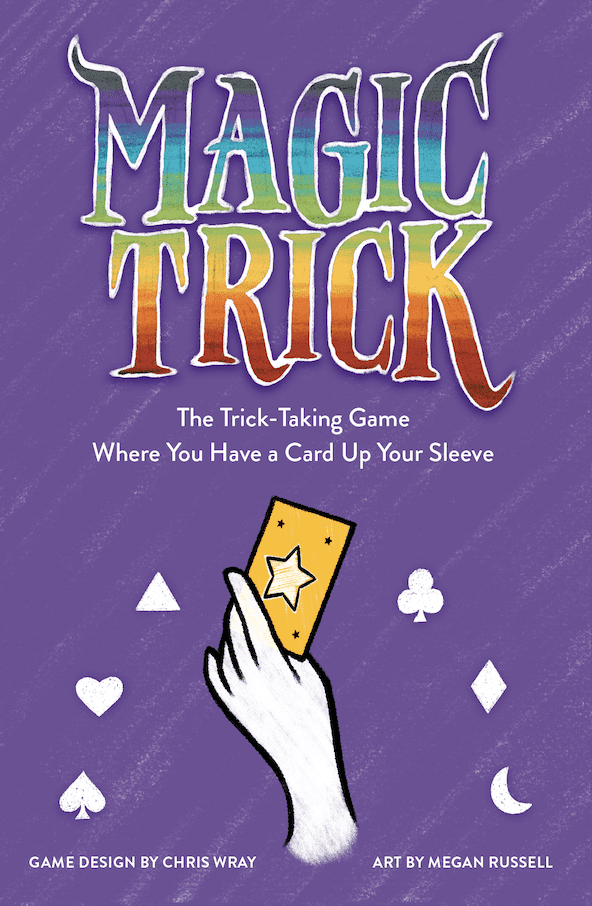
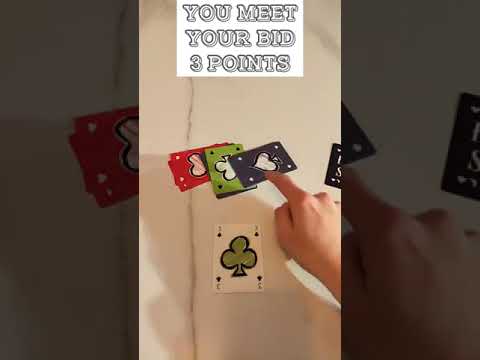
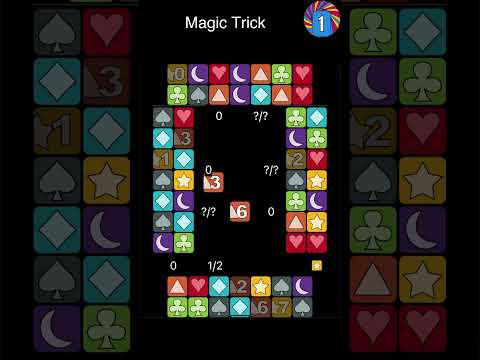
Imagine playing a trick-taking game where you don't actually know what's in your hand. In Magic Trick, mystery is the core experience. The game features a deck with 7 distinct suits, each containing cards numbered from 0 to 7. The twist? You can only see the suit on the back of the cards; the face values remain hidden from you. To prevent total chaos, there's a clever mechanic: your neighbor sorts your cards in sequential order at the start of the hand, providing the essential clues you need to deduce your card values as the round progresses.
The gameplay follows traditional trick-taking rules—you must follow suit if possible, and hearts serve as the trump suit. The winner of each trick leads the next one. However, the real magic happens when you decide to tuck one card 'up your sleeve.' The value of this hidden card becomes your bid, representing the exact number of tricks you intend to win.
Scoring is where the tension peaks. If you successfully win the number of tricks indicated by your hidden card, you score points. If you manage to capture a number of suits equal to your bid, you earn an additional bonus. Conversely, missing your bid results in a penalty. The game lasts for a number of hands equal to the number of players, and the person with the highest total score is crowned the winner. It's a delightful mental exercise that blends the anxiety of the unknown with the precision of strategic bidding, making every card play a calculated risk.
The gameplay follows traditional trick-taking rules—you must follow suit if possible, and hearts serve as the trump suit. The winner of each trick leads the next one. However, the real magic happens when you decide to tuck one card 'up your sleeve.' The value of this hidden card becomes your bid, representing the exact number of tricks you intend to win.
Scoring is where the tension peaks. If you successfully win the number of tricks indicated by your hidden card, you score points. If you manage to capture a number of suits equal to your bid, you earn an additional bonus. Conversely, missing your bid results in a penalty. The game lasts for a number of hands equal to the number of players, and the person with the highest total score is crowned the winner. It's a delightful mental exercise that blends the anxiety of the unknown with the precision of strategic bidding, making every card play a calculated risk.
Gallery
Box and component photos
Tap any photo to open fullscreen. Photos submitted by the community or publisher.
Rules videos
Learn by watching before you open the box
Best player count
BGG community vote
3
REC
4
BEST
5
REC
Soundtrack
Ambience suggested by Melodice
Loading playlist...
Where to Buy
Prices monitored daily
Finding best prices...
Prices unavailable at this time.
Price history — last 6 months (lowest new offer)
As an Amazon Associate I earn from qualifying purchases. Prices and availability subject to change.
Alert enabled!
Join the BoardGamesBot deals group
Get the best board game deals every day — without message spam.
Join the WhatsApp groupGame details
Mechanics, categories, families and credits
Mechanics
Categories
Publisher
(Self-Published)
Designer
Christopher Wray
Artist
Megan Russell
Community
Data from BoardGameGeek
180owners
92wishlist
33want to play
Frequently Asked Questions
Quick answers before you buy
Is the game hard to learn?
It's not complex, but it requires you to get used to deducing card values on the fly, which is the most exciting part.
How long does a game take?
It's quite fast, usually lasting between 25 and 40 minutes, depending on the player count.
How many players can play?
The game works great for groups of 3 to 5 players.
Do I need previous trick-taking experience?
It helps if you've played games like Hearts or Bridge, but the rules are simple enough for beginners to pick up quickly.
Is it more about luck or strategy?
There's luck in the deal, but the deduction strategy and the choice of the 'up the sleeve' card are what lead to victory.
Other Games You'll Like
Based on mechanics and theme